A sharp escalation in global oil prices triggered by the widening conflict involving Iran has rippled deep into Yemen’s fragile economy, pricing construction contractors out of the fuel market and pushing thousands of daily-wage labourers into unemployment. What began as a geopolitical shock in the Persian Gulf has become an acute livelihood crisis for some of the world’s most economically vulnerable workers, according to a Al Jazeera report published on 29 July 2026. The consequences underscore a broader pattern that analysts have observed across energy-dependent developing economies, where soaring pump prices concentrate their most damaging effects on those with the least ability to absorb them.
Yemen was already enduring one of the world’s worst humanitarian crises before the latest oil shock. Now, with diesel and petrol prices reportedly rising by more than 40 percent in some Yemeni governorates since the outbreak of direct hostilities involving Iran, construction activity — one of the few functioning economic sectors in parts of the country — has effectively ground to a halt. Contractors say they cannot operate machinery, run generators, or transport materials at current fuel costs, forcing project suspensions that have cascaded into mass layoffs among unskilled and semi-skilled labourers who depend on daily cash wages with no formal employment protections.
Oil Markets Tighten as Regional Conflict Disrupts Supply Routes
The fuel price spike in Yemen cannot be understood in isolation from broader crude market dynamics. Brent crude has surged on fears that the conflict could curtail Iranian oil exports and destabilise shipping corridors critical to Gulf energy flows. Market professionals have warned of what one note cited by Business Insider described as “cascading damage” to global energy markets if hostilities persist or expand. Analysts note that Iranian crude output, estimated at roughly 3.2 million barrels per day before the conflict intensified, faces significant disruption risk, a volume large enough to meaningfully tighten already strained global supply balances.
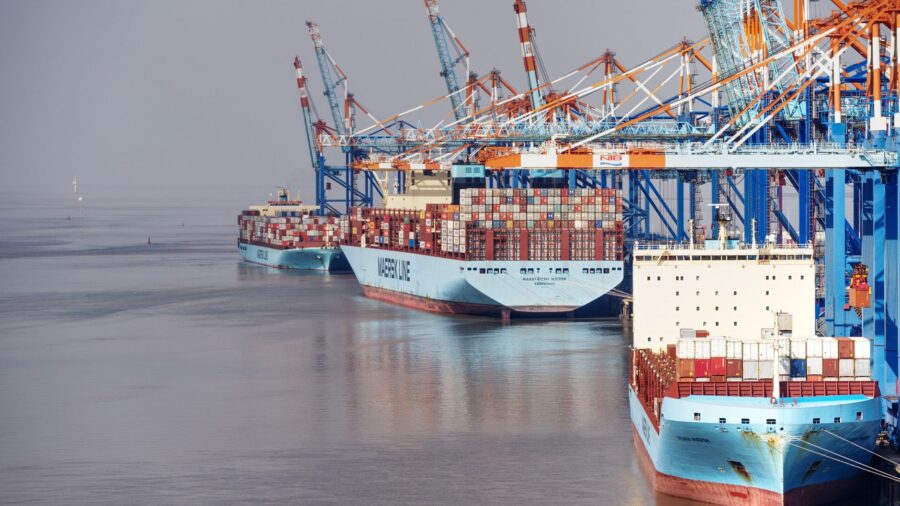
Compounding the pressure on Yemeni fuel supply chains is the Houthi blockade of Saudi Arabia and the associated restrictions on Red Sea tanker traffic. Experts have been closely monitoring vessel movements through the strait for signals about whether fuel deliveries into Yemen and neighbouring markets can be maintained, according to a separate Sea tankers analysis published by Al Jazeera. With Yemen reliant on imports for virtually all refined petroleum products, any chokehold on maritime access translates almost immediately into domestic shortages and price spikes at the pump and at fuel depots supplying commercial operators.

Construction Stoppage Hollows Out Daily Wage Economy
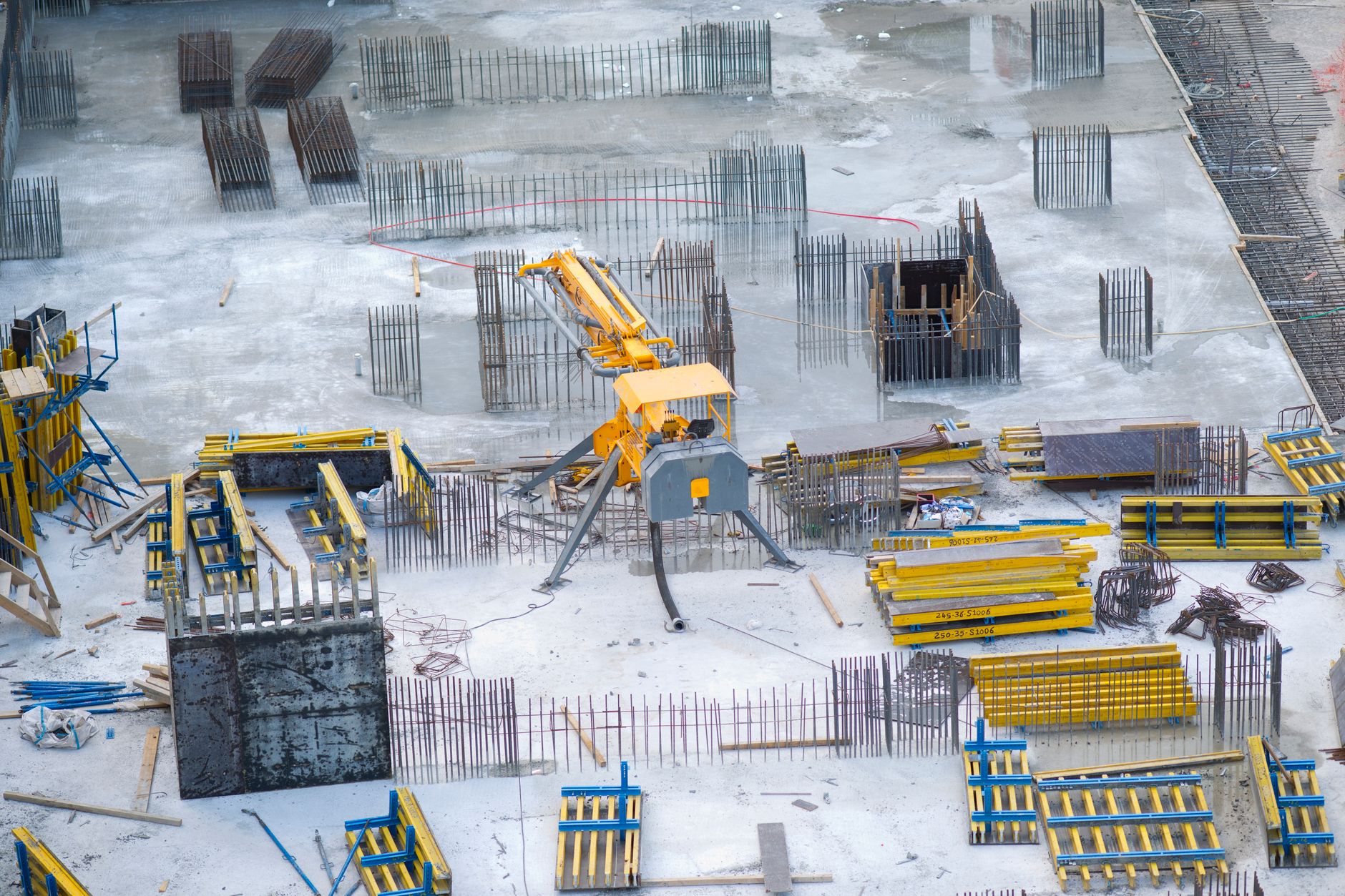
Yemen’s construction sector had served as a critical absorber of labour in cities including Sanaa, Aden, and Marib, where post-conflict rebuilding activity and infrastructure investment had created pockets of economic activity. Industry sources indicate that fuel accounts for between 25 and 35 percent of total project operating costs in the Yemeni context, where grid electricity is unreliable and diesel generators are standard. A 40-percent-plus rise in fuel costs therefore translates directly into project economics that no longer pencil out, even for contractors with pre-agreed client budgets that did not anticipate this scale of commodity shock.
The human toll is landing on a population that has virtually no financial buffer. Day labourers in Yemen typically earn the equivalent of two to four dollars per day when work is available, with no access to savings instruments, unemployment insurance, or formal credit. The construction stoppage has not only eliminated current income but has also disrupted the informal credit networks — advances from contractors, deferred rent arrangements — that workers use to smooth consumption. Community leaders in several governorates have reportedly appealed to local authorities and international agencies for emergency food and cash assistance as household reserves run out within days rather than weeks.
The broader regional picture offers little near-term comfort. Yemeni civilians caught between the Houthi movement and outside powers have expressed a mixture of anxiety and resignation about their economic future, sentiments documented in Yemeni public reaction reporting from Al Jazeera. Economists tracking the conflict warn that sustained fuel price elevation at current levels risks permanently contracting Yemen’s already diminished formal construction activity, pushing labour permanently into lower-productivity informal subsistence work from which recovery is historically slow. With no ceasefire talks publicly reported and global oil markets still pricing in a prolonged disruption, relief for Yemen’s idle labourers appears distant.