
The United States Navy is confronting what defense analysts and industry leaders increasingly describe as a structural crisis in its shipbuilding capacity, one that risks undermining American maritime dominance at a moment when geopolitical competition in the Pacific and Atlantic is intensifying at a pace not seen since the Cold War. A new policy push detailed by PR Newswire outlines an ambitious framework for rebuilding America’s naval industrial base and ensuring fleet sufficiency well into the next century. The urgency of that mission is difficult to overstate, given that China’s navy now fields more warships by hull count than the U.S. fleet, a reversal that has alarmed senior Pentagon planners and congressional defense committees alike. The debate sits within a broader surge in defense-sector investment globally, echoing trends seen when missile factory expansion plans emerged across Europe as nations scrambled to rebuild depleted arsenals.
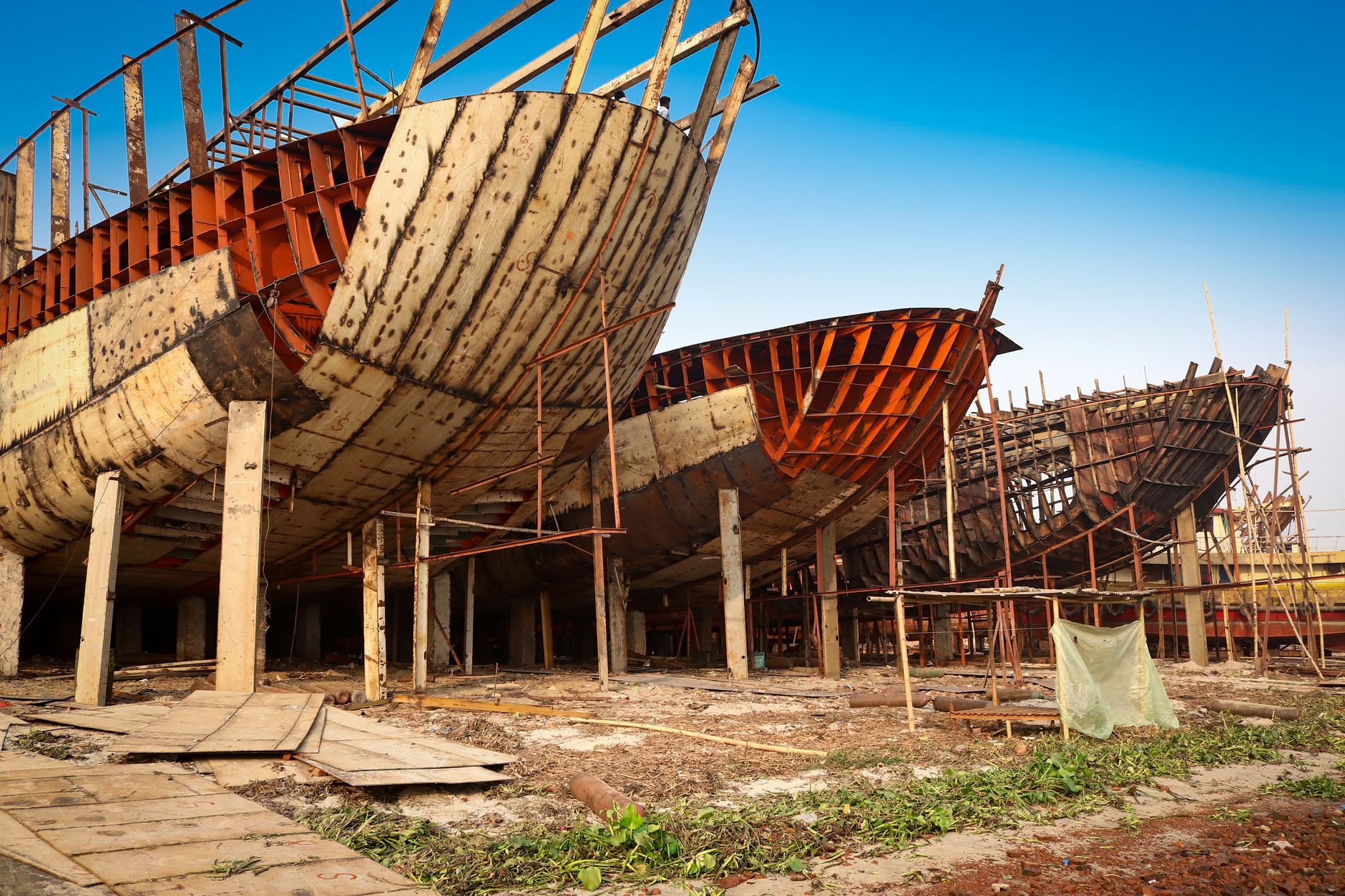
The framework under discussion calls for a sustained, multi-decade commitment to domestic shipyard modernization, workforce development, and the acceleration of next-generation vessel programs. Proponents argue that the U.S. industrial base, long reliant on a handful of major shipyards concentrated along the Gulf Coast and Eastern Seaboard, lacks the throughput to meet the Navy’s stated goal of a 355-ship fleet, let alone the figures closer to 400 vessels that some strategists now consider the minimum credible deterrent. Current projections suggest the fleet will shrink before it grows, with retirements of aging cruisers and littoral combat ships outpacing new commissionings through at least the mid-2030s.
Industrial Base Gaps Threaten Long-Term Fleet Targets
At the heart of the challenge is a workforce and capacity shortfall that decades of post-Cold War consolidation have made acute. The number of major U.S. shipyards capable of constructing combatants has fallen significantly since the 1980s, when the Reagan administration’s 600-ship Navy program sustained a much larger industrial ecosystem. Today, submarine construction is effectively concentrated at just two facilities — General Dynamics’ Electric Boat in Connecticut and HII’s Newport News Shipbuilding in Virginia — creating bottlenecks that have delayed delivery timelines for Virginia-class submarines by as much as two years per hull in recent production cycles. Labor shortages compound the problem, with shipyard employment having declined by an estimated 30 percent over the past three decades relative to peak Cold War levels.
The policy document argues that remedying these gaps requires not only capital investment in physical infrastructure — updated dry docks, advanced welding systems, and digital fabrication tools — but also a generational commitment to training skilled tradespeople. Proposals include expanded apprenticeship pipelines, partnerships between shipyards and community colleges in coastal manufacturing corridors, and federal incentives designed to draw private capital into what has historically been a sector dependent almost entirely on government procurement contracts. Estimates for the full modernization program run into the hundreds of billions of dollars spread across a 20-to-30-year horizon, placing it among the largest potential defense industrial investments in American history.
Procurement Reform and Allied Coordination Gain Traction
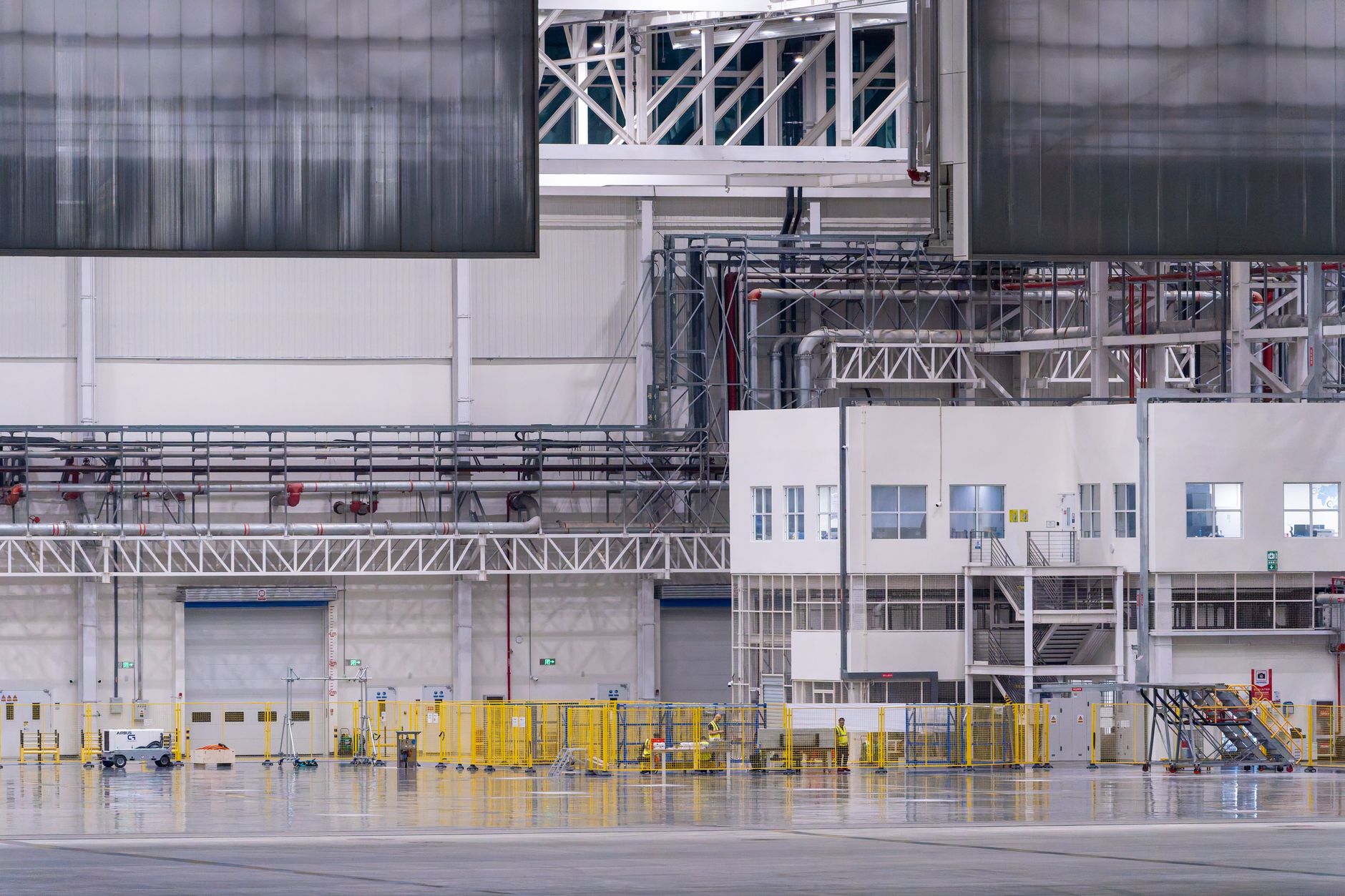
Beyond raw capacity, the framework addresses longstanding criticisms of the Navy’s procurement model, which critics argue incentivizes cost-plus contracting arrangements that inflate program budgets and reduce accountability for schedule performance. The Gerald R. Ford-class aircraft carrier program, for instance, accumulated cost overruns exceeding 20 percent above original estimates during its development phase, illustrating systemic pressures that reformers say must be addressed before new funding tranches deliver their intended strategic value. Proposed changes include greater use of fixed-price contracts for mature vessel classes, increased competition on subsystem components, and more rigorous milestone reviews tied to measurable production benchmarks.
International dimensions of the strategy are also gaining prominence. The AUKUS partnership, which commits the United States and the United Kingdom to supporting Australia’s acquisition of nuclear-powered submarines, has introduced both opportunity and strain into existing production schedules. Defense planners are exploring whether allied shipyard capacity in Australia and potentially Japan — itself undertaking the most significant naval expansion in decades — could be integrated into a distributed production model that reduces single-point-of-failure risks for American maritime supply chains. Such cooperation would represent a meaningful evolution in how Western nations conceptualize collective naval industrial policy, moving beyond arms sales toward genuine co-production arrangements. These investments in allied defense manufacturing mirror the logic behind European missile factory ventures seeking to reduce dependence on any single national producer. The coming budget cycle is expected to be a decisive test of whether Congress will fund the shipbuilding acceleration at the scale that strategists say the threat environment now demands.