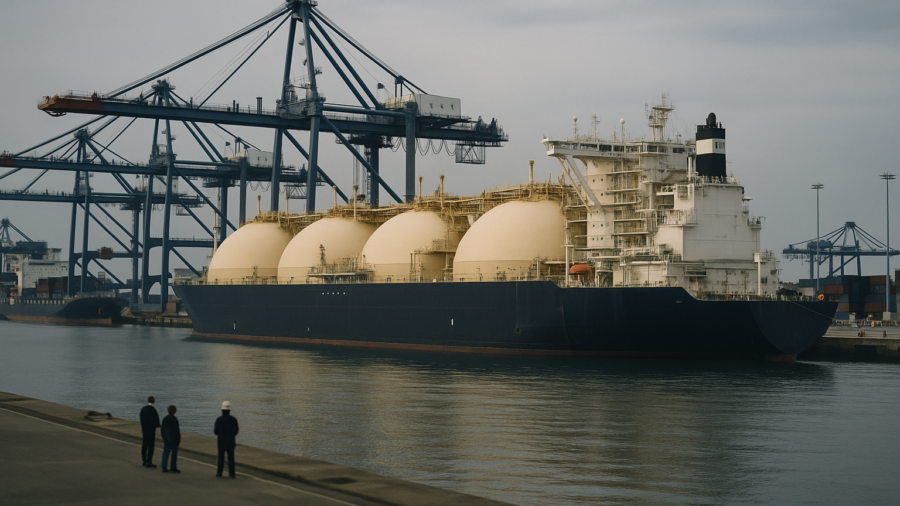
The United States cemented its position as the undisputed engine of global liquefied natural gas trade in 2025, supplying approximately 93 percent of all new LNG export capacity added worldwide during the year, according to Forbes energy analysis. The figure underscores a structural shift in international energy markets that has been building since the post-pandemic surge in global gas demand, accelerated by Europe’s decisive pivot away from Russian pipeline gas following the 2022 invasion of Ukraine.
The scale of American dominance in new LNG supply is striking even by recent historical standards. Global LNG exports grew by roughly 20 million tonnes in 2025, and the United States contributed the vast majority of that incremental volume through a combination of newly commissioned export terminals and expanded capacity at existing facilities along the Gulf Coast. The trend carries significant implications for energy pricing, geopolitics, and the long-term investment calculus of importing nations across Europe and Asia — themes that intersect with broader concerns about U.S. trade tensions reshaping global commerce in 2026.
New Terminals Propel U.S. Output to Record Levels
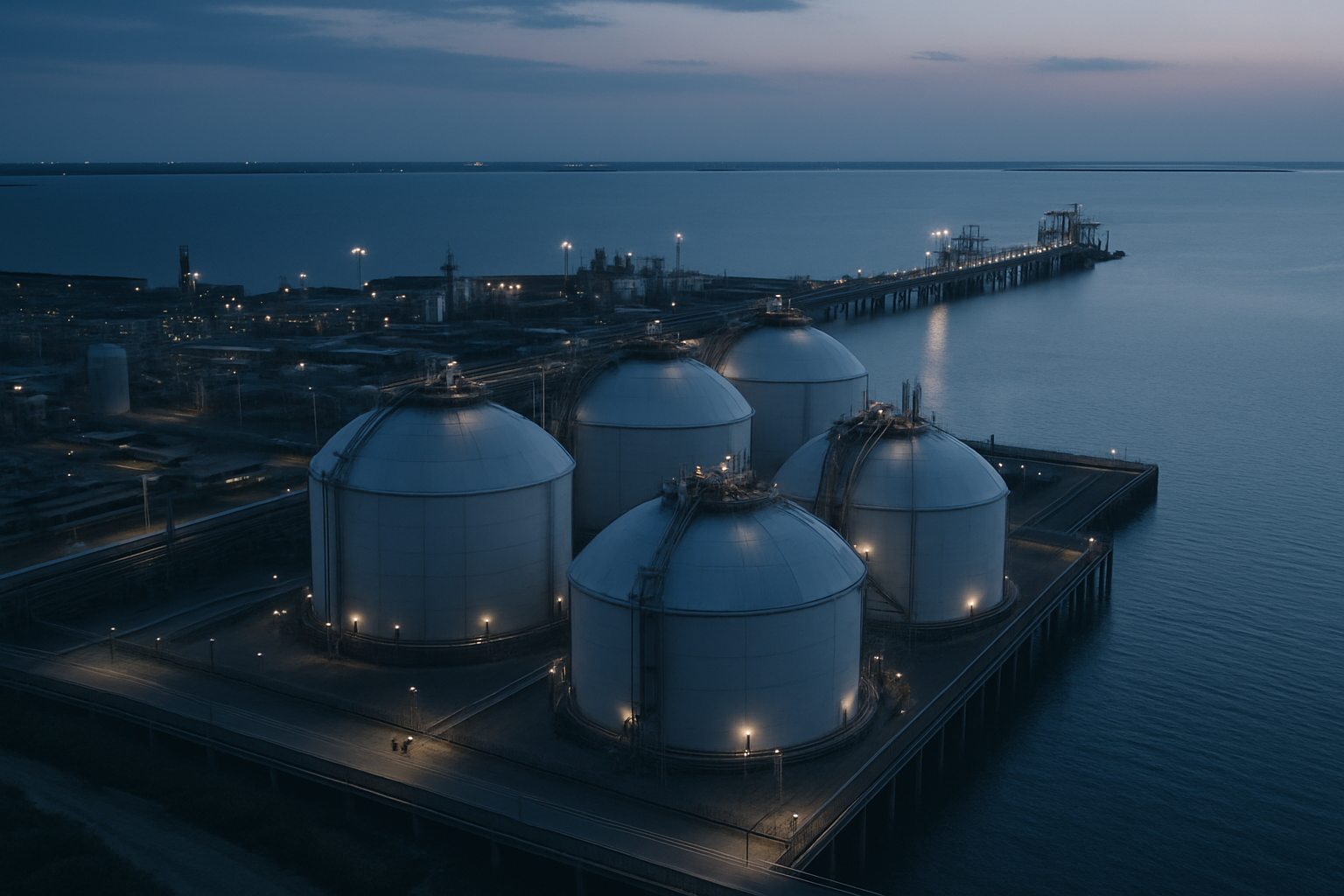
Several major projects reached commercial operations in 2025, including expansions tied to the Sabine Pass and Corpus Christi facilities, as well as the long-anticipated ramp-up of Plaquemines LNG, a project developed by Venture Global LNG in Louisiana. These additions pushed total U.S. LNG export capacity above 14 billion cubic feet per day on a nameplate basis, according to industry estimates, lifting the country firmly past Qatar and Australia in terms of annual export volumes. American LNG export revenues climbed sharply as a result, with the U.S. Energy Information Administration tracking record-level shipments to both European and Asian buyers throughout the year.
The surge was not purely a function of new infrastructure. Favorable feedgas economics, driven by abundant shale production in the Permian Basin and Haynesville Shale, kept American LNG competitive against alternative supply sources even when spot prices softened in certain markets. Operators were able to run existing trains at or near full utilization for extended periods, squeezing additional volume from already-producing facilities while the new capacity came online in stages throughout the year.
Europe and Asia Compete for American Cargoes
European buyers remained the dominant destination for U.S. LNG shipments in 2025, driven by continued efforts to reduce reliance on Russian energy and to refill storage inventories following a series of colder-than-average winters. Germany, France, the Netherlands, and Spain collectively absorbed a substantial share of American export volumes, with regasification terminals operating at elevated utilization rates throughout the heating season. The European Union’s strategic push to diversify its energy supply chain has effectively transformed the U.S. into the bloc’s single most important external gas supplier — a relationship that carries both commercial and diplomatic weight.
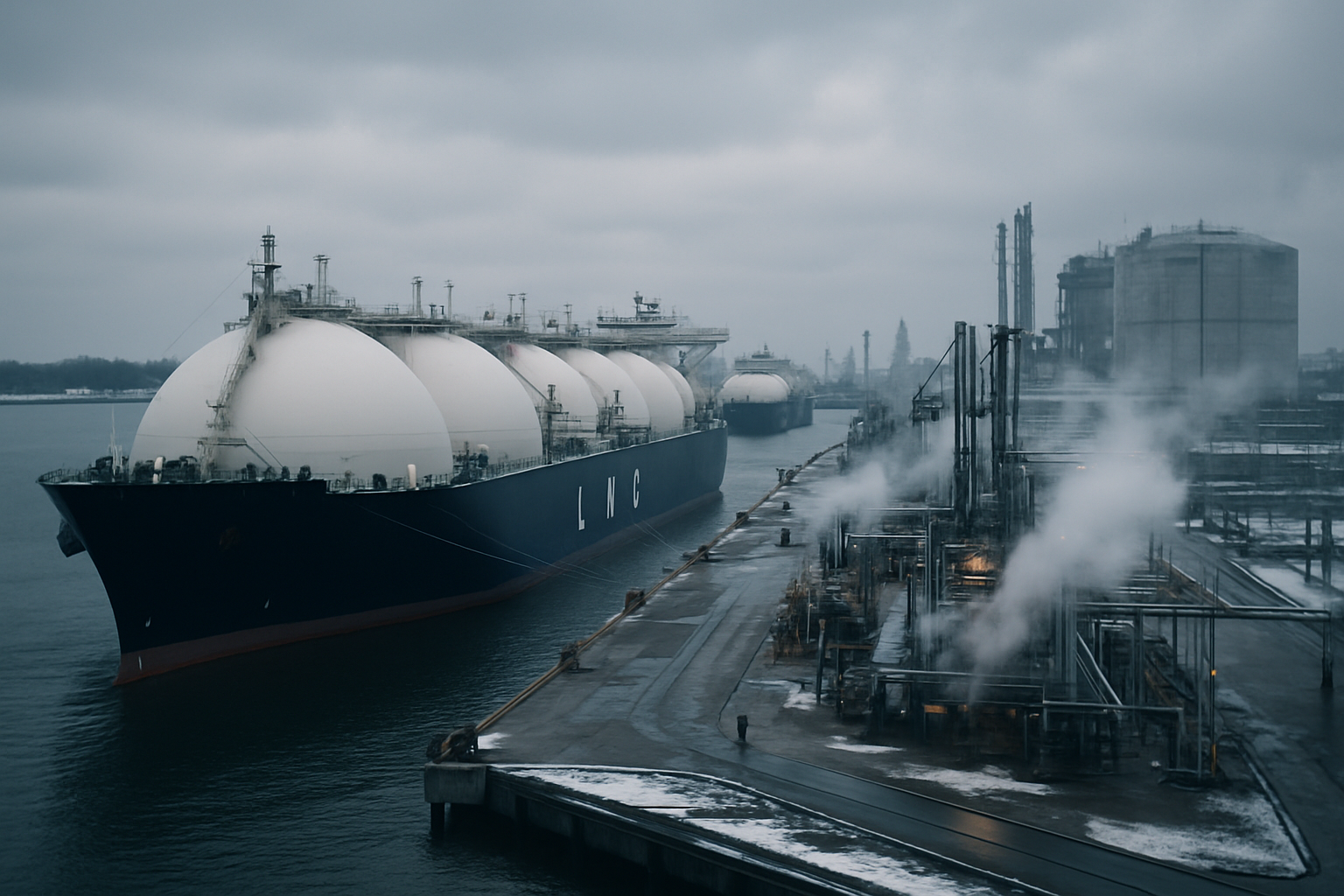
Asian importers, particularly Japan, South Korea, and Taiwan, also maintained robust demand for American cargoes, though price sensitivity occasionally redirected spot shipments toward European buyers willing to pay a premium for winter security. China’s LNG import appetite, while significant, remained subject to diplomatic uncertainty and the availability of longer-term pipeline alternatives. Industry analysts note that the geographic flexibility of U.S. LNG cargoes — traded largely on free-on-board terms that allow buyers and traders to redirect vessels — makes American supply uniquely adaptable to shifting demand patterns across both hemispheres.
Investment Outlook and Policy Considerations
The commercial success of U.S. LNG projects in 2025 is expected to sustain a robust pipeline of new investment decisions through the remainder of the decade. Several additional export terminals are awaiting final investment decisions or federal approval, including projects in Texas, Louisiana, and Alaska. Developers have pointed to the long-term contracted revenue streams underpinning these facilities as evidence of durable demand, even amid ongoing debate about natural gas’s role in the broader energy transition.
Monetary conditions will play a role in determining how quickly new capacity materializes. With the Federal Reserve navigating a delicate balance between controlling inflation and sustaining growth — a tension highlighted by Fed rate policy debates — the financing environment for capital-intensive infrastructure projects remains closely watched by project developers and their lenders. For now, however, the data from 2025 confirms that the United States has become the marginal supplier of last resort for a world that continues to run on natural gas, a position that will shape global energy diplomacy and commodity markets for years to come.