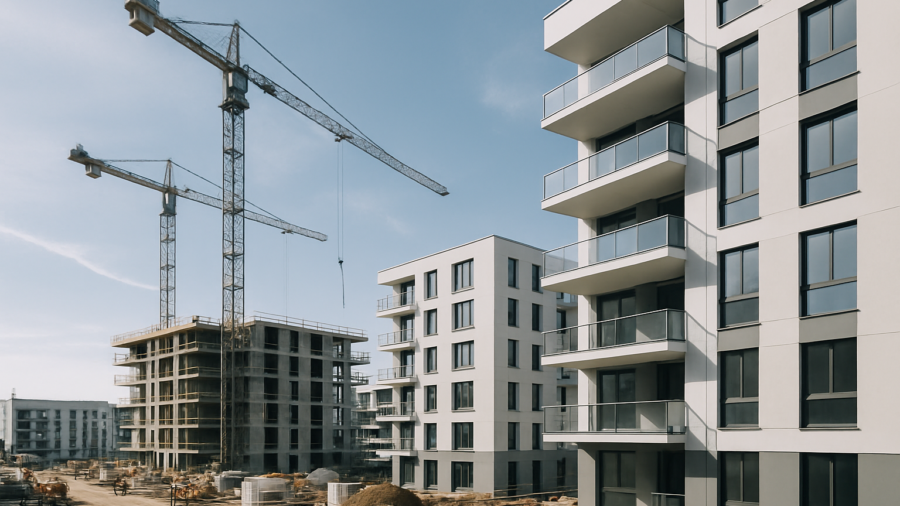
American home prices climbed to an all-time high this summer, surpassing every previous benchmark in data tracking and underscoring the stubborn resilience of residential real estate even as mortgage rates remain well above their pandemic-era lows. The milestone, reported by MarketWatch analysis, reflects a market that continues to defy expectations of a broad price correction despite affordability pressures that have squeezed millions of prospective buyers out of the market entirely.
The fresh record comes at a moment when the 30-year fixed mortgage rate hovers around 7 percent, a level that would have historically been expected to cool demand significantly. Instead, a chronic shortage of available homes for sale has kept upward pressure on prices intact, with many would-be sellers choosing to remain in properties financed at sub-3 percent rates rather than trade up into a costlier borrowing environment.
Inventory Crisis Keeps Price Floor Elevated
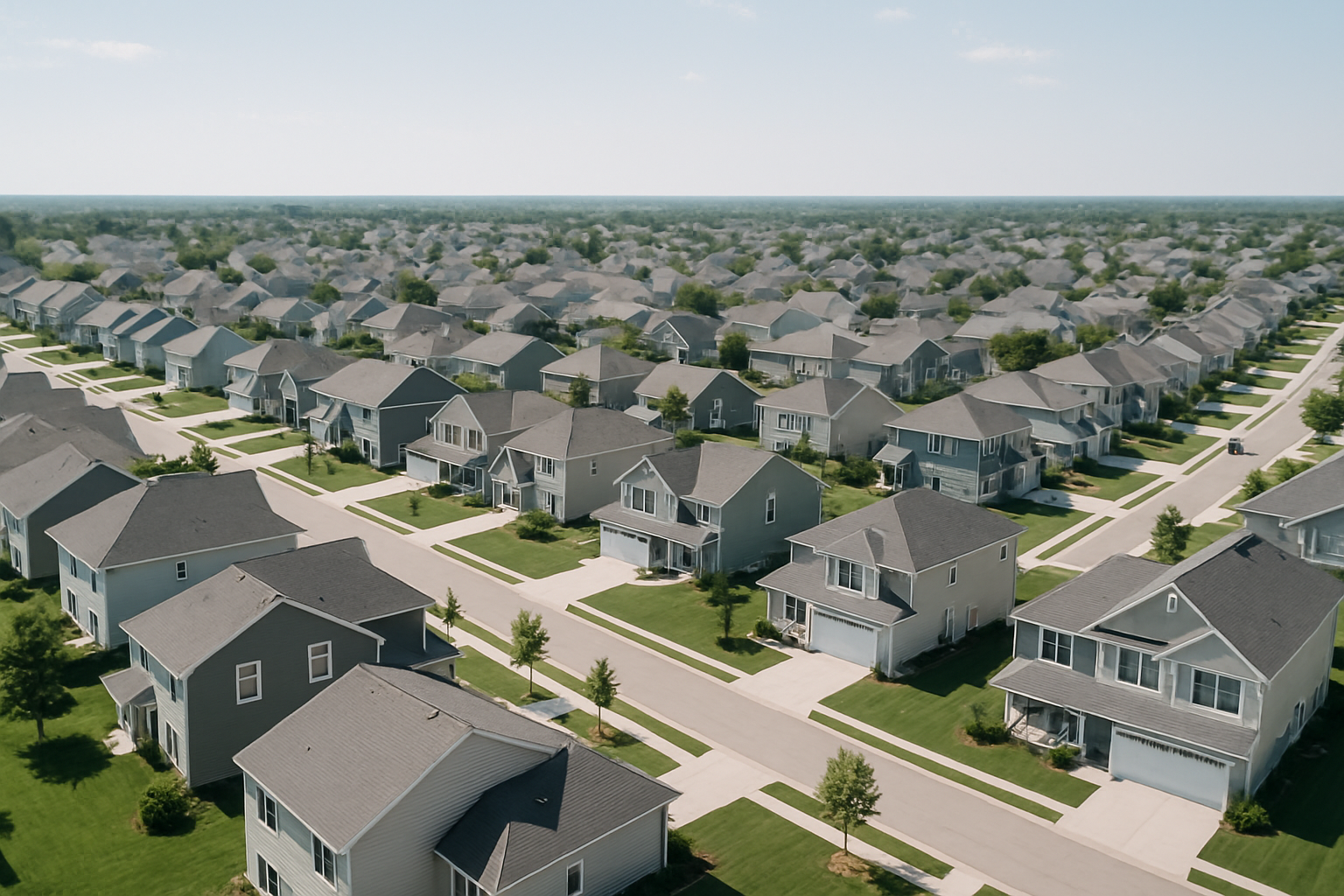
The core driver of the continued price appreciation is a supply deficit that has proven remarkably durable. Active listings across major metropolitan markets remain roughly 30 to 40 percent below pre-pandemic norms in many regions, according to industry data cited alongside the MarketWatch report. This structural undersupply means that even modest demand is sufficient to push transaction prices higher, regardless of what borrowing costs are doing at any given moment.
Markets in the Northeast and parts of the Southeast have been particularly acute, where zoning constraints and limited developable land compound the national inventory shortfall. New construction, while accelerating modestly, has not kept pace with household formation rates, leaving the gap between supply and demand persistently wide. Builders have also faced elevated input costs and labor shortages that restrict how quickly new units can reach the market, further insulating existing home prices from downward pressure.
Affordability Strain Reshaping Who Can Buy
The affordability calculus for American households has deteriorated sharply over the past three years. The combination of prices at record highs and mortgage rates at multi-decade highs means that monthly carrying costs on a median-priced home have roughly doubled compared with early 2020. For a household purchasing a home at the national median price and financing 80 percent of the purchase at current rates, monthly principal and interest payments have climbed to levels that represent a historically high share of median household income.
This dynamic is reshaping the composition of buyers who can participate in the market. Cash buyers, move-up purchasers with large equity reserves from prior homes, and higher-income households have come to dominate transaction activity in many markets, while first-time buyers face the steepest barriers in a generation. Concerns about housing costs feeding into broader household financial stress are not limited to would-be owners. Renters, too, have faced elevated costs, a trend that feeds into wider inflation anxiety among consumers. The Federal Reserve’s own survey data has pointed to housing and rent expenses as a leading source of household inflation worry, a theme explored in earlier coverage of rent inflation fears among U.S. consumers.
Market Outlook and the Rate Equation
Whether this summer’s record marks a sustained plateau or the beginning of a new leg higher depends heavily on the trajectory of Federal Reserve monetary policy. Market participants have priced in a gradual easing cycle beginning later this year, with expectations that the benchmark federal funds rate will decline by at least 50 basis points before the end of the calendar year. If those cuts materialize and translate into meaningfully lower mortgage rates, analysts warn that demand could accelerate sharply, further pressuring prices rather than providing relief to strained buyers.
Some economists argue that a rate-driven demand surge, absent a corresponding increase in supply, would simply push the affordability problem to a new extreme. Others contend that lower rates would eventually unlock seller activity, as homeowners currently locked into low-rate mortgages become more willing to transact once the rate differential narrows. The interplay between these forces will define the residential real estate landscape heading into 2025. Broader asset allocation decisions in this environment also carry significant weight for households managing long-term financial security, a consideration particularly acute for those approaching or in retirement, as discussed in prior Fiscalist reporting on retiree portfolio risks in an era of persistent inflation.