
United Airlines has unveiled plans to launch service to ten new international destinations in 2027, a move the carrier is calling the largest single international expansion in its century-long history. The announcement signals a sweeping bet on sustained demand for long-haul travel at a time when the global aviation sector is navigating fuel cost pressures, shifting currency dynamics, and uneven post-pandemic recovery curves across different regions. For investors tracking the airline industry’s capital allocation decisions, the scale of the commitment is notable — United is effectively re-drawing its global network map in a single strategic move.
The expansion, detailed in a United Airlines announcement distributed via PR Newswire, spans multiple continents and introduces routes that the carrier has not previously served. The new cities include destinations across Africa, Central Asia, and the South Pacific, regions where United has historically maintained a thinner presence relative to its hub-and-spoke strength across the Atlantic and Pacific corridors. The breadth of the geographic spread underscores a deliberate strategy to diversify revenue streams beyond saturated transatlantic markets, where competition from European flag carriers and Gulf-based airlines has intensified considerably in recent years. The announcement comes as the broader airline sector continues to monitor the impact of geopolitical trade tensions on passenger confidence, with 24/7 markets and real-time booking data giving carriers sharper tools to price and manage international capacity than at any prior point in commercial aviation.

New Routes, New Markets, and the Revenue Logic Behind the Push
Among the ten new cities, United confirmed additions that include Nuuk in Greenland — a destination that reflects growing interest in Arctic and sub-Arctic tourism — alongside new African cities that align with the continent’s expanding middle class and rising business travel volumes. The carrier also announced new service to locations in South Asia, where economic growth rates have consistently outpaced those of more mature Western markets over the past decade. United executives framed the expansion as a response to both structural demand trends and the opening of slot availability at key international airports, factors that have historically constrained the airline’s ability to enter certain markets regardless of commercial appetite.
From a financial standpoint, new route launches of this scale carry considerable upfront costs. Aircraft positioning, crew certification for new international operations, marketing in unfamiliar markets, and bilateral air service agreement compliance all represent fixed expenditures that precede any revenue generation. Industry analysts have generally observed that new international routes require between 18 and 36 months to reach consistent profitability, a timeframe that places meaningful execution risk on the 2027 launch calendar. United, however, has indicated that its fleet delivery pipeline — including continued inductions of Boeing 787 Dreamliners and Airbus A321XLR aircraft optimized for long, thin routes — directly supports the economics of the new destinations, with lower per-seat fuel burn improving the margin profile of routes that may not initially generate high load factors.
Competitive Positioning and What the Expansion Means for United’s Long-Term Strategy
United’s aggressive international posture puts it in more direct competition with Delta Air Lines and American Airlines, both of which have been selectively pruning underperforming international routes in recent quarters rather than adding new ones. That divergence in strategy reflects differing assessments of where the demand ceiling lies for premium long-haul travel, a segment that has proven more resilient than economy-class leisure demand in volatile economic environments. United has publicly leaned into its Polaris business class product and its growing premium economy offering as key differentiators, and the new international routes will serve as a test of whether that positioning can anchor revenue on routes where brand recognition is limited at launch.
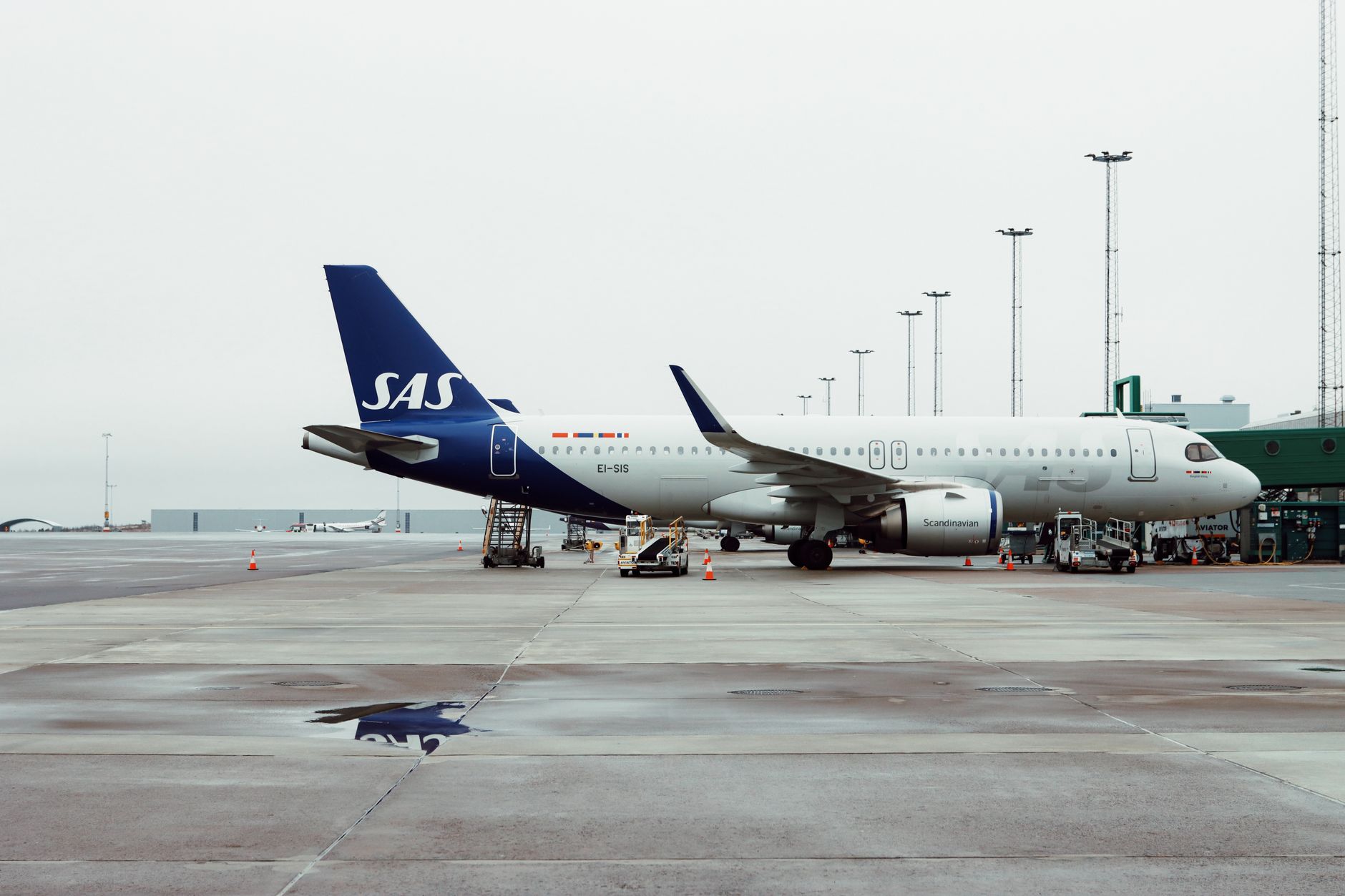
The announcement also carries implications for United’s hub strategy. Chicago O’Hare, Newark Liberty, and Washington Dulles are expected to serve as primary departure points for the bulk of the new international services, which would deepen the relevance of those hubs in the carrier’s global network architecture. Analysts will be watching closely to determine whether the expansion generates sufficient connecting traffic to justify the gate and crew resource commitments at those facilities, or whether point-to-point demand alone can sustain the economics. With 2027 still roughly two years away, United retains flexibility to adjust schedules, frequencies, and even destination lists as booking curves develop — but the sheer number of new markets announced simultaneously leaves limited room for broad-based revision without reputational cost. For now, the carrier appears willing to absorb that uncertainty in pursuit of a network footprint that no U.S. airline has previously attempted at this scale.