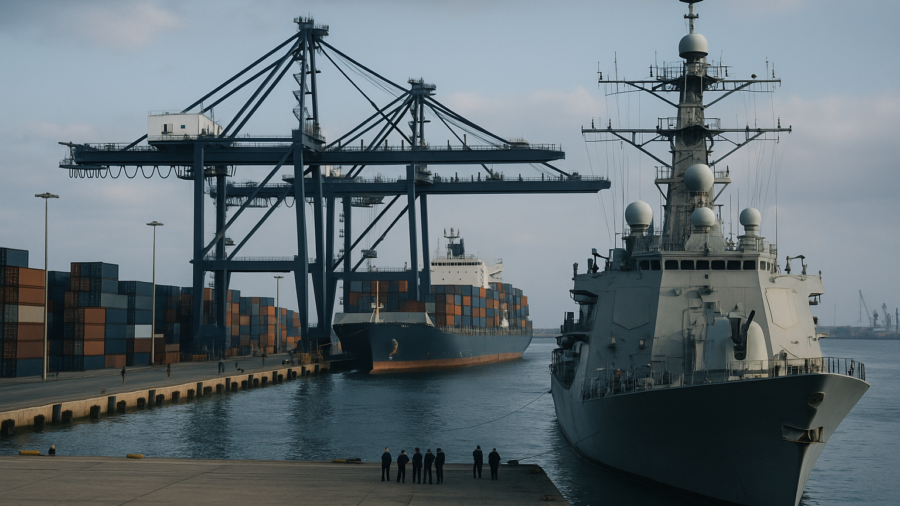
The United Kingdom and France have reached a formal agreement with Oman to safeguard the sultanate’s territorial waters, in a move that underscores growing Western strategic interest in securing Gulf shipping lanes at a time of heightened regional tension. The accord, reported by CNBC coverage on 4 July 2026, marks one of the most substantive trilateral maritime commitments involving a Gulf state and two major European powers in recent memory.
Oman occupies a geographically critical position along the Strait of Hormuz, through which an estimated 20 percent of global oil supplies transit annually. Any disruption to those waters carries immediate implications for energy markets, shipping insurance premiums, and broader commodity pricing. The agreement signals that London and Paris are prepared to commit naval and intelligence resources to stabilising a corridor that underpins global hydrocarbon flows.

Macron’s Public Commitment and the Diplomatic Architecture Behind the Deal
French President Emmanuel Macron confirmed France’s participation in the agreement through a Macron announcement on his official X account, outlining Paris’s commitment to joint naval coordination and affirming that the arrangement reflected France’s broader strategic partnership with Gulf states.
The diplomatic architecture of the deal draws on existing bilateral defence frameworks that both the UK and France maintain with Oman. Britain has long operated a joint training facility at Duqm port, while France has deepened its Gulf defence relationships through a series of arms and cooperation agreements signed over the past decade. Analysts noted that formalising a trilateral structure adds a layer of institutional weight that ad hoc arrangements typically lack, potentially deterring third-party actors from testing Oman’s maritime boundaries.
The timing is notable. Tensions in the wider Gulf region have remained elevated following a series of incidents involving commercial shipping in 2024 and 2025, with insurers raising war-risk premiums on routes through the Arabian Sea by as much as 0.35 percent of vessel value at their peak. A stable Omani maritime zone is seen by shipping industry observers as a prerequisite for sustaining predictable passage through the strait without forced rerouting via the Cape of Good Hope, a detour that can add approximately 14 days and significant fuel costs to voyages between Asia and Europe.
Economic and Energy Market Implications
For energy markets, the agreement carries immediate symbolic value and potential medium-term stabilising effects. Brent crude had shown intermittent volatility tied to Gulf shipping risk headlines over the preceding 18 months, and traders had priced in a modest geopolitical risk premium of between two and four dollars per barrel at various points during that period. A credible multilateral security commitment around Omani waters could reduce that premium over time, according to commodity strategists at several major European banks.
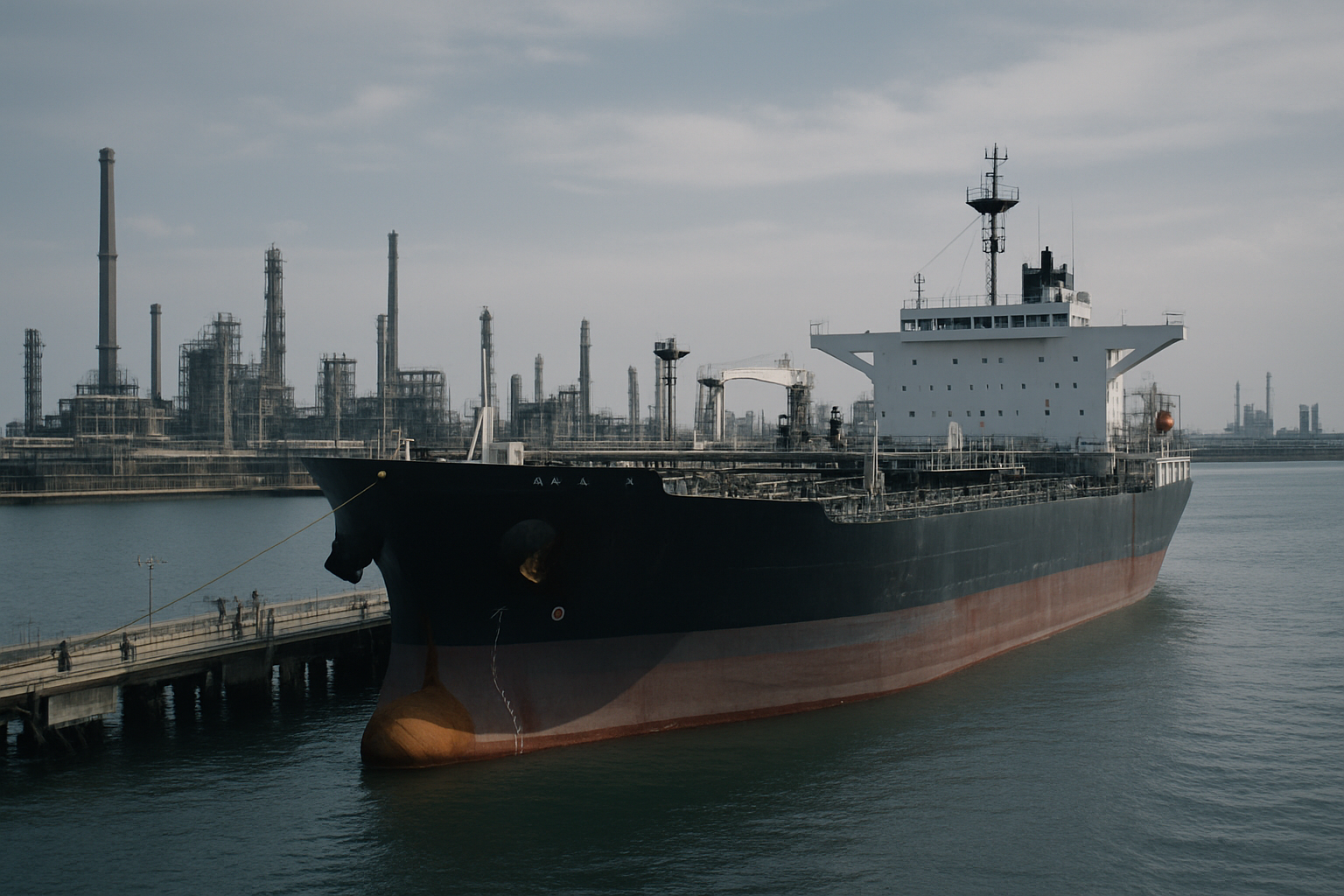
Oman itself has been pursuing an ambitious economic diversification strategy under its Vision 2040 programme, targeting a reduction in oil’s share of government revenues from roughly 68 percent in 2023 to below 40 percent by the end of the decade. Sustained maritime security is integral to that plan, since Duqm’s emergence as a logistics and industrial hub depends heavily on its attractiveness to foreign direct investment, which in turn requires confidence in safe sea lanes. A combined British and French naval presence reinforces the commercial credibility of the port’s long-term growth trajectory.
Beyond the immediate Gulf context, the agreement reflects a broader pattern of European powers reasserting naval influence in strategically sensitive waterways. France’s Indo-Pacific strategy and the UK’s post-Brexit tilt toward global maritime engagement have both pointed toward deeper involvement in Gulf security architecture. This trilateral pact with Oman may serve as a template for similar arrangements elsewhere, particularly as NATO partners seek to coordinate presence in waters where no formal alliance treaty applies. Observers in the defence and energy sectors will be watching closely for signs that the agreement produces coordinated patrols or shared intelligence protocols in the months ahead.
For context on how Western nations are recalibrating their economic and security engagements in the Gulf and broader emerging market corridors, The Fiscalist’s earlier reporting on UAE digital assets illustrated how the region is simultaneously attracting Western financial infrastructure alongside defence partnerships. Separately, shifts in global commodity trade flows tied to geopolitical realignment have been reflected in pricing dynamics examined in our analysis of Arabica coffee futures, where trade war rhetoric demonstrated how quickly political developments translate into market movements.