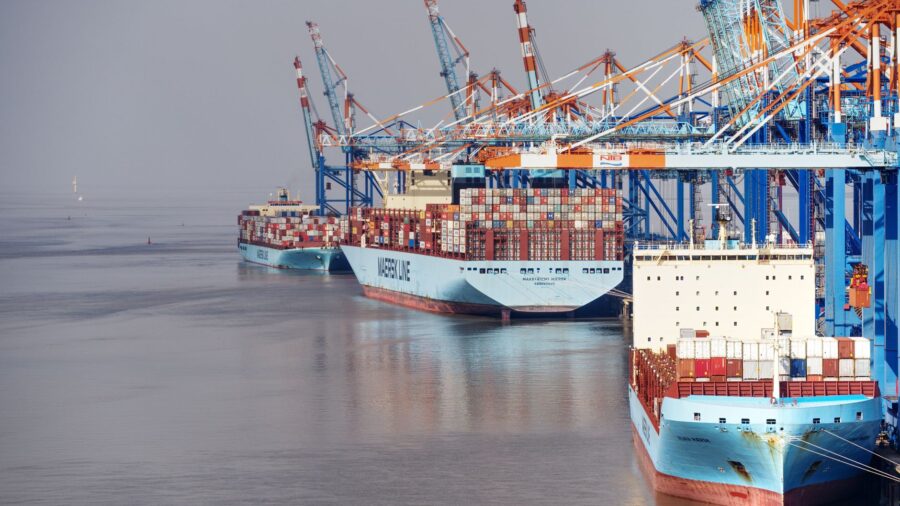
India’s pharmaceutical sector, which supplies nearly 45 percent of all generic drugs consumed in the United States, is confronting one of its most significant policy threats in decades as the Trump administration signals sweeping tariffs on imported medicines. The prospect of sector-specific levies — potentially ranging from 25 percent upward — has sent shockwaves through the Nifty Pharma index, which shed several percentage points in a single session after initial signals from Washington. As reporting from Livemint’s pharma coverage made clear, the threat is no longer theoretical — it is forcing boardrooms from Mumbai to Hyderabad to accelerate contingency planning.
The stakes extend well beyond share prices. Indian generics manufacturers have spent the better part of two decades embedding themselves into the fabric of American healthcare, keeping drug costs suppressed for tens of millions of patients. Any significant tariff barrier would disrupt that supply chain, raising costs for US insurers, hospital systems, and federal programs including Medicaid. Analysts have already flagged this tension as a parallel to the pressure felt by industrial manufacturers, a dynamic explored in Caterpillar’s tariff burden earlier this year, where margin compression from input levies proved harder to offset than initially anticipated.
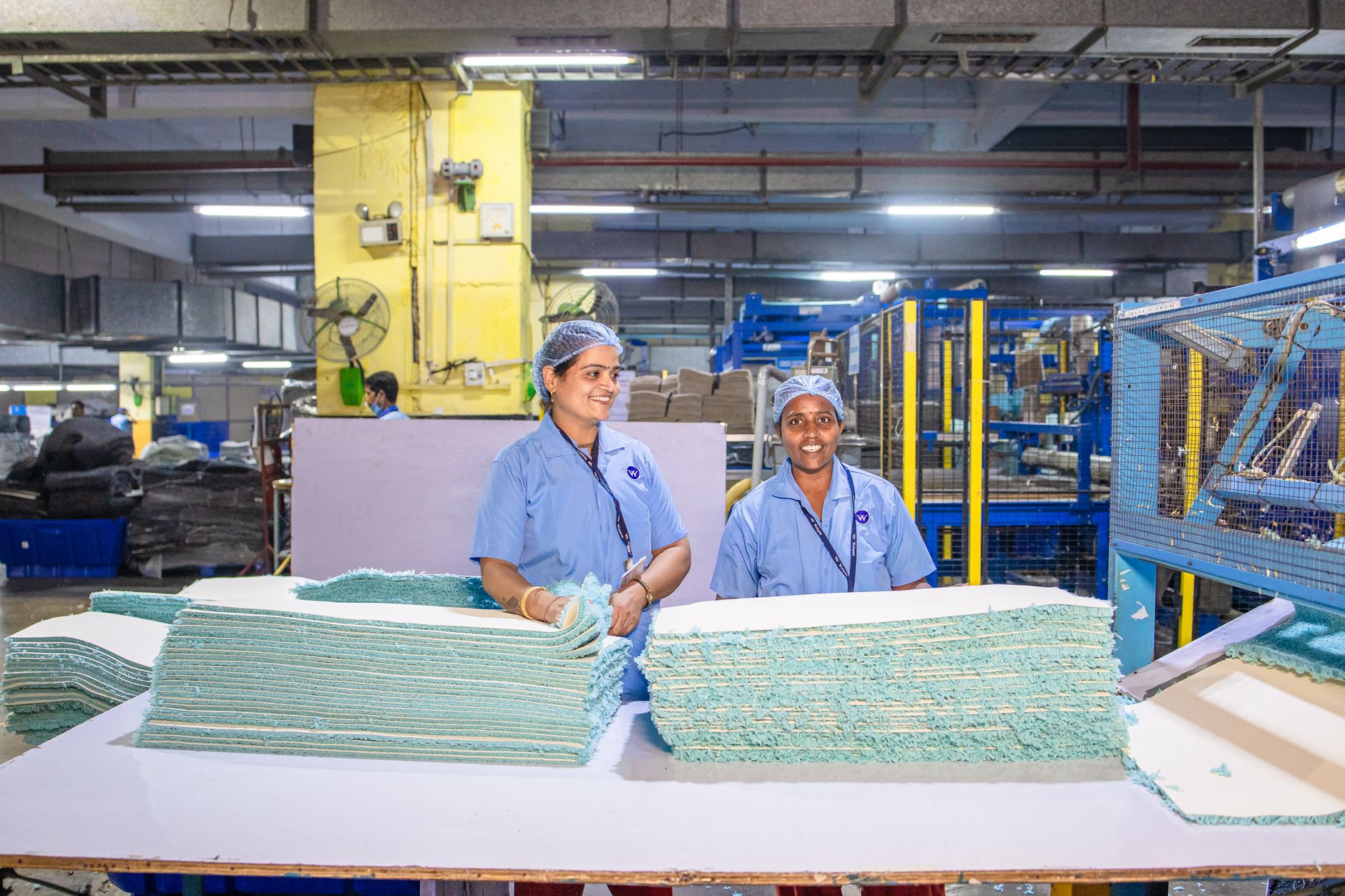
Nifty Pharma Under Pressure as Market Reassesses Earnings Trajectories
The Nifty Pharma index, which tracks India’s largest listed drug manufacturers, has underperformed the broader Nifty 50 since tariff rhetoric intensified. Sun Pharmaceutical Industries, Dr. Reddy’s Laboratories, Lupin, and Aurobindo Pharma — all of which derive a substantial share of revenues from the US generics market — have seen their valuations come under scrutiny. For companies like Aurobindo, which channels roughly 50 percent of consolidated revenues through the United States, the tariff scenario represents an earnings risk that is difficult to hedge without either absorbing margin compression or attempting to pass costs downstream to American buyers.
Dr. Reddy’s and Lupin, both of which have invested heavily in US Food and Drug Administration-compliant manufacturing infrastructure, find themselves in a particularly complex position. Their competitive advantage has historically rested on cost-efficient production in India combined with the regulatory credibility to access the American formulary. A 25 percent or higher tariff would erode the price differential that underpins that model. Brokerage analysts tracking the sector have begun revising earnings-per-share estimates downward, with some cutting fiscal year 2026 US revenue forecasts by mid-single-digit percentages pending regulatory clarity.
Industry Seeks Exemptions While Quietly Expanding Domestic US Footprint
Faced with an uncertain tariff timeline, Indian pharma companies have adopted a dual-track response: lobbying for carve-outs on the grounds of healthcare essentiality, while simultaneously exploring options to expand or accelerate manufacturing investment within the United States. The essentiality argument carries genuine weight — generic drugs manufactured in India treat conditions ranging from hypertension and diabetes to bacterial infections, and substitution at scale within a short window is operationally implausible. Industry bodies representing Indian exporters have formally communicated this case to US trade counterparts.
On the investment front, several major Indian manufacturers have accelerated timelines for US-based production facilities, mirroring a broader trend of tariff-driven supply chain localisation visible across sectors globally. Whether such facilities can be operationally scaled quickly enough to blunt near-term tariff exposure is a separate question — pharmaceutical manufacturing requires years of regulatory validation before commercial output is viable. In the interim, companies are evaluating pricing adjustments, product portfolio rationalisation, and accelerated launches in non-US markets including Europe and emerging economies to diversify revenue. The administration’s broader pattern of using tariff pressure as a negotiating lever, examined in detail in Trump’s economic narrative, suggests that a negotiated outcome remains possible — but timeline uncertainty alone is enough to keep Indian pharma valuations under sustained pressure through at least the near term.