
The Trump administration is signalling a strategic recalibration in its confrontation with Iran, moving away from direct military escalation in favour of intensified economic pressure, according to a report by Al Jazeera published on 10 August 2026. The shift represents one of the more consequential foreign policy pivots of Trump’s second term, carrying direct implications for global energy markets, regional supply chains, and the broader calculus of Middle East risk. Analysts tracking Iran-linked market tensions say the change in approach could prove more economically disruptive than any single military engagement.
Senior administration officials have reportedly indicated that the costs and diplomatic complications of sustaining military strikes on Iranian infrastructure have begun to outweigh their strategic returns. Instead, Washington is understood to be preparing a new tranche of sanctions targeting Iran’s energy export revenues, its access to international banking channels, and the network of intermediary states that have helped Tehran partially circumvent existing restrictions. Brent crude edged up roughly 1.4 percent in early trading following the initial reports, reflecting market uncertainty about whether an economic squeeze would prove more or less disruptive to regional oil flows than continued kinetic action.
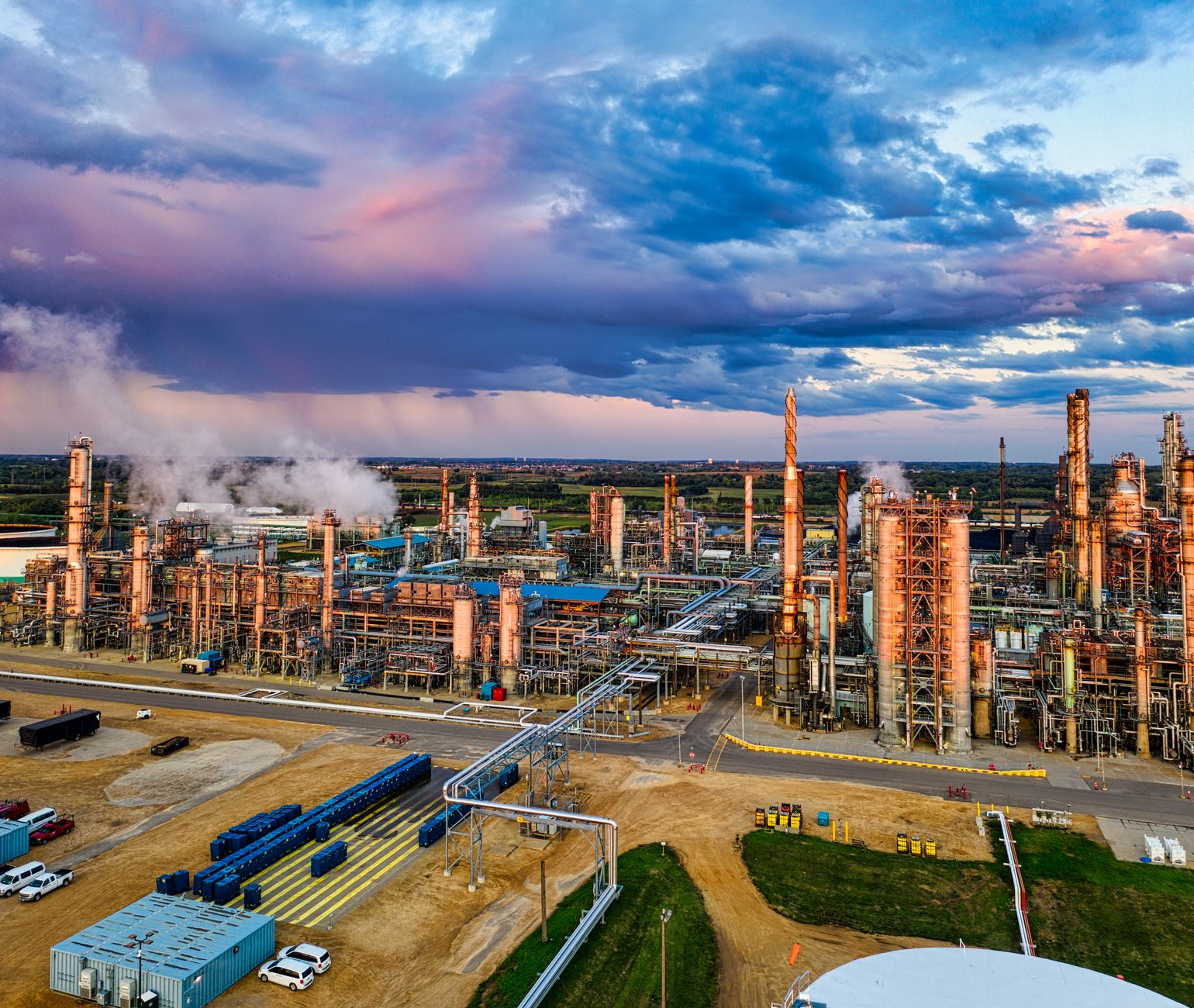
Infrastructure Strikes Already Widening Economic Disruption
The context for this pivot is a conflict that has already inflicted significant damage on Iranian economic infrastructure. According to DW reporting, US strikes on southern Iran have targeted port facilities, power distribution nodes, and logistics corridors, widening the economic footprint of the conflict well beyond purely military installations. The strikes have disrupted supply chains that several Gulf states rely on for overland and short-sea trade transit, adding a regional dimension to what began as a bilateral confrontation.
Energy economists estimate that sustained infrastructure damage to Iran’s southern ports could reduce its residual oil export capacity by as much as 15 to 20 percent in the near term, even before any new sanctions layer is applied. That is a meaningful figure given that Iran has continued to export an estimated 1.4 to 1.6 million barrels per day through informal channels despite years of existing restrictions. A tightened sanctions regime aimed at closing those channels, combined with degraded physical infrastructure, could push effective Iranian export volumes to levels not seen since the most acute phase of the maximum pressure campaign during Trump’s first term.
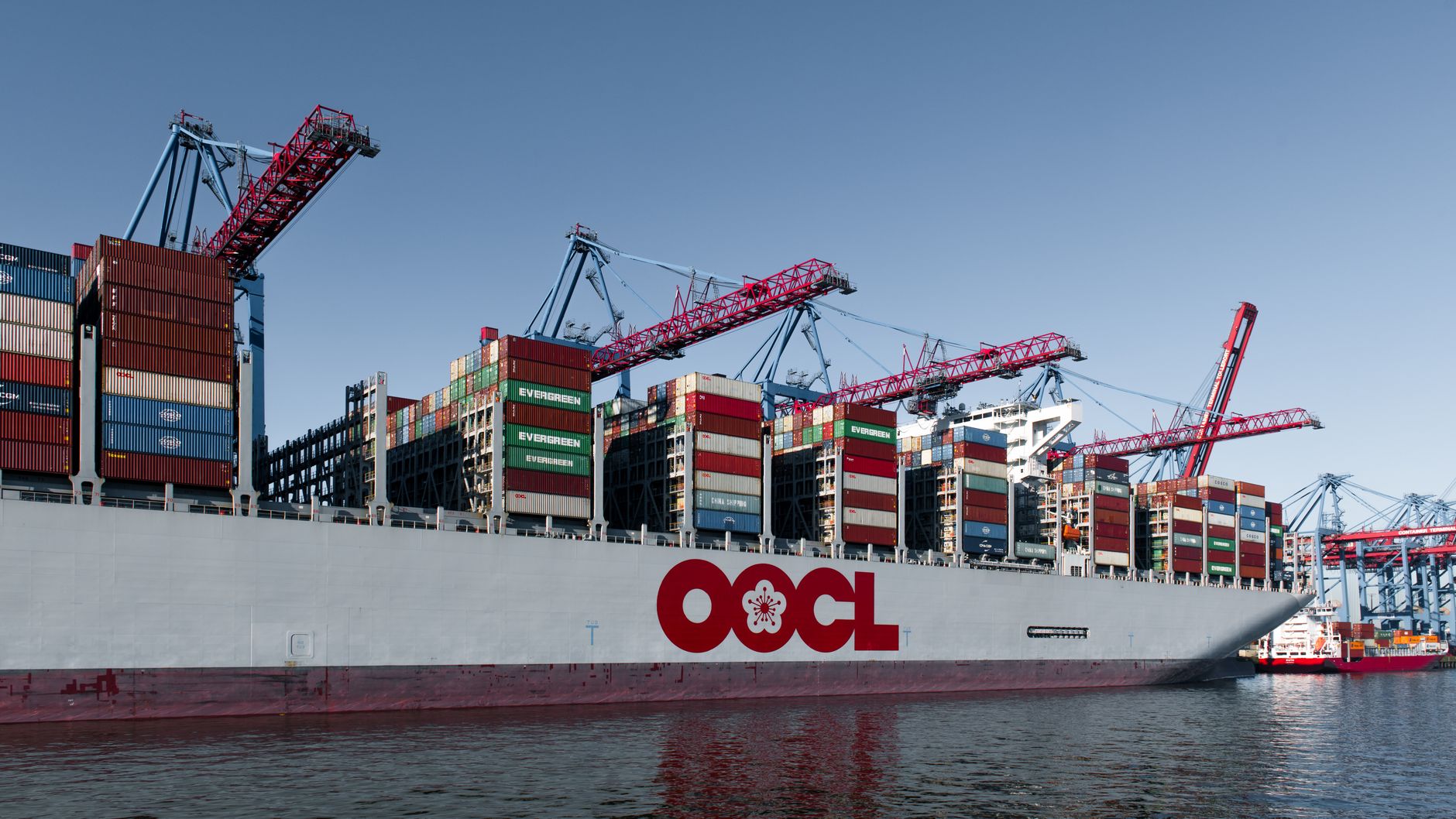
Markets and Allies Weigh the Consequences of Prolonged Economic Warfare
For financial markets, the implications of a sustained sanctions escalation are more complex than those of discrete military strikes, which tend to produce sharp but short-lived volatility spikes. A prolonged campaign of economic coercion raises questions about secondary sanctions exposure for European and Asian firms, the durability of oil price risk premiums, and the degree to which Iran might retaliate through proxy disruptions to Gulf shipping lanes. Insurance premiums on vessels transiting the Strait of Hormuz have already risen sharply in 2026, and further escalation could push war-risk surcharges higher still, adding cost pressure across global commodity supply chains.
The administration’s approach also carries domestic political economy dimensions. A strategy built on economic pressure requires sustained enforcement architecture and multilateral cooperation that has historically proven difficult to maintain over extended periods. Allies in Europe, who have resisted some aspects of US Iran policy since the first term, will face renewed pressure to align or risk secondary sanctions exposure of their own. The strategic bet, in essence, is that economic coercion can achieve what military strikes could not — durable behavioural change in Tehran — without the escalation risks that come with sustained kinetic engagement. Whether markets price that bet as stabilising or destabilising may depend heavily on how quickly any new sanctions package is formalised and how comprehensively it is enforced. The trajectory of East power dynamics will be a critical variable in determining whether Washington’s economic leverage proves sufficient to alter Iranian calculations.