
President Donald Trump has signaled that the United States will hold off on launching additional military strikes against Iran, stating that he hopes a nuclear agreement can be reached swiftly enough to make further action unnecessary. The announcement, which came via remarks from the White House, introduces a fragile diplomatic window into a confrontation that has already rattled energy markets and reshaped the calculus for investors with exposure to Middle Eastern geopolitical risk. The development follows weeks of elevated tension that have kept Washington’s economic calculus in flux as policymakers balance military posture with macroeconomic consequences.
According to CNA reporting, Trump indicated he was giving Iran a short but unspecified timeframe to engage in negotiations, framing the pause as a strategic choice rather than a retreat. The remarks stopped short of confirming any direct talks were already underway, and senior administration officials declined to outline specific benchmarks that Tehran would need to meet to avoid renewed strikes.
Energy Markets React to Diplomatic Overture
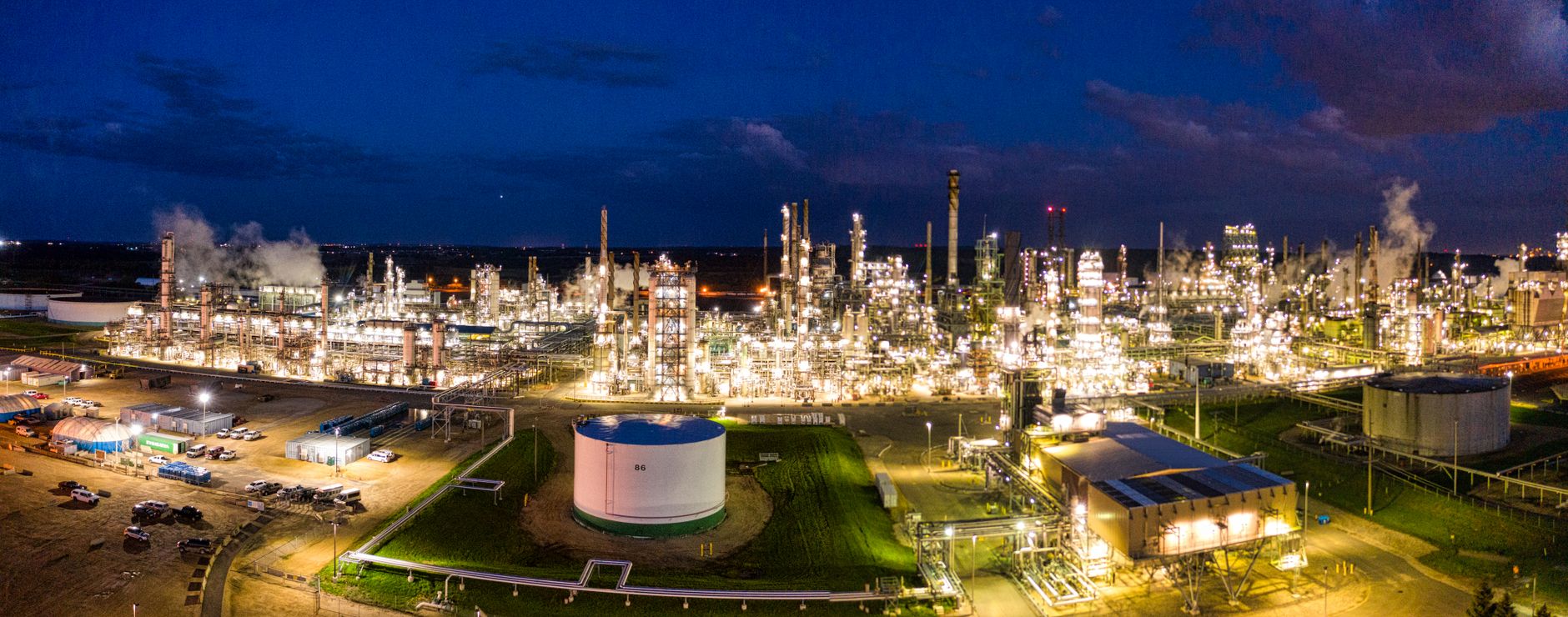
Crude oil prices, which had surged following earlier U.S. strikes on Iranian nuclear-linked facilities, pared some gains in the hours after Trump’s comments circulated. Brent crude, which had briefly traded above $95 per barrel during peak hostilities, retreated toward the $88 to $90 range as traders recalibrated the likelihood of an imminent escalation. Analysts noted that the directional move was meaningful but cautious, reflecting scepticism among market participants about how durable any negotiated pause might prove.
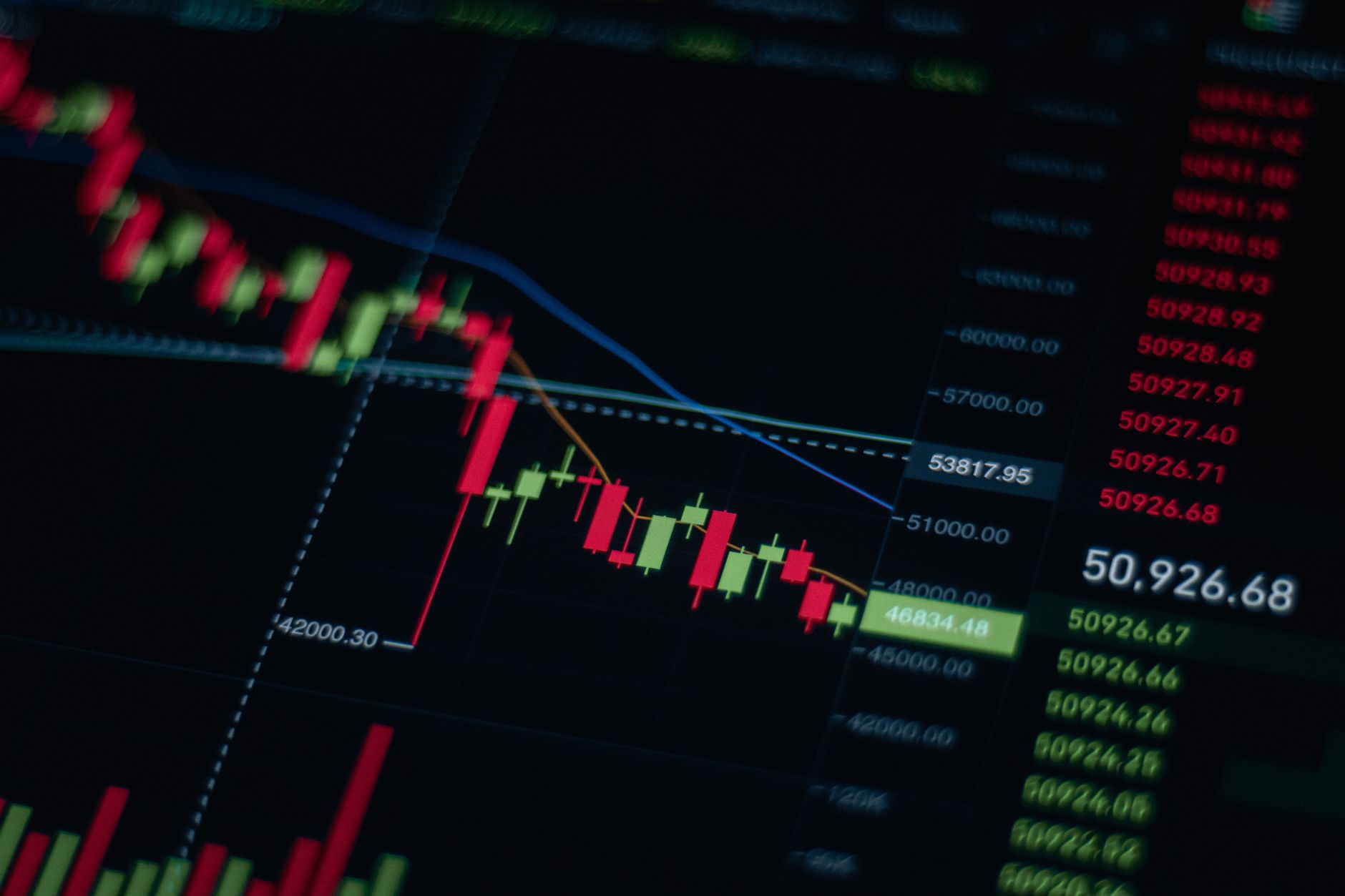
The prospect of renewed diplomacy also filtered through to broader risk assets. U.S. equity futures edged higher in after-hours trading, with energy sector stocks giving back a portion of their recent geopolitical risk premium. Defence contractors, which had seen elevated buying interest amid the Iran crisis, softened modestly. According to a CNBC dispatch covering the initial U.S. strikes and their immediate market aftermath, the episode had already injected significant volatility into global risk sentiment, with investors watching for any sign of de-escalation. Currency markets were similarly reactive, with the U.S. dollar giving up a portion of its safe-haven premium against the euro and the Japanese yen.
Investor Sentiment and the Macro Backdrop
Beyond the immediate oil and equity moves, Trump’s pause-and-negotiate posture arrives at a sensitive moment for the broader U.S. economy. Inflation data released in recent weeks has come in softer than anticipated, prompting a reassessment of Federal Reserve rate policy. As noted in CNA’s coverage of the dollar’s recent struggles, diminishing expectations for further Fed rate hikes have already introduced new variables into fixed-income and currency positioning. A sustained easing of Iran-related oil pressure could reinforce the disinflationary trend, providing the Fed with additional room to hold rates steady — a scenario bond markets would likely welcome.
Investors in short-duration bonds have already been adjusting positioning as the rate outlook shifts, and any sustained decline in energy prices stemming from diplomatic progress could accelerate that dynamic. Meanwhile, economists warn that the window Trump has created remains narrow and subject to collapse. Iran’s willingness to engage substantively on its nuclear programme — particularly given the damage already inflicted on its facilities — is far from guaranteed, and a breakdown in informal contacts could return the situation to active military footing with little warning.
For now, financial markets appear willing to extend a modest benefit of the doubt to the diplomatic track. But with so few concrete details about the terms under discussion, and with both sides retaining significant leverage, portfolio managers and risk desks are unlikely to substantially reduce their geopolitical hedges until a framework agreement, or at minimum a verifiable ceasefire understanding, is formally announced. The next several weeks will be critical in determining whether Trump’s calculated pause yields a durable agreement or merely a brief intermission in a conflict with substantial global economic consequences.