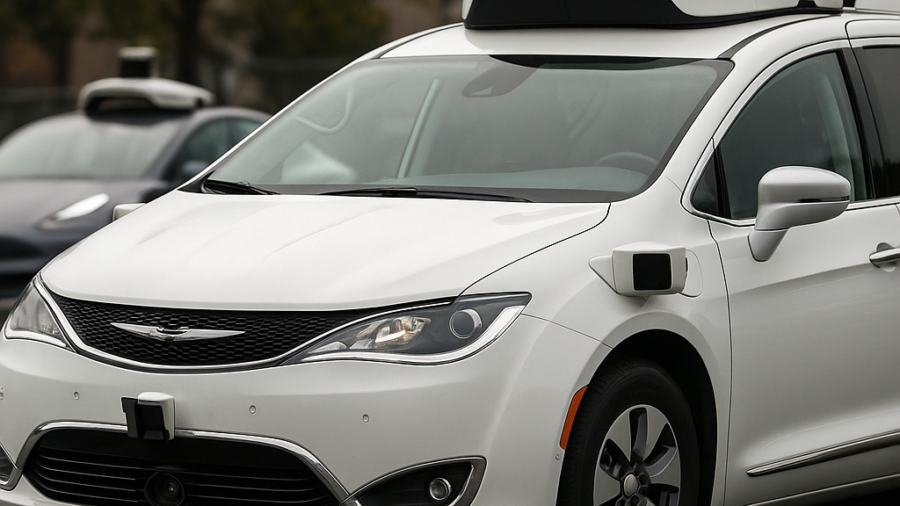
The race to dominate the autonomous ride-hailing market has long been framed as a contest between Elon Musk’s Tesla and Alphabet’s Waymo — two technology-forward giants with very different philosophies on how to get a driverless car from point A to point B. But as MarketWatch reported, the single largest spender in the autonomous vehicle space is a company that manufactures no cars whatsoever.
That distinction belongs to Waymo’s parent company Alphabet and, more pointedly, to the broader ecosystem of software-first autonomous driving firms that are betting the future of mobility lies in algorithms, not assembly lines. The competitive dynamics of this sector are shifting rapidly, with capital expenditure figures now rivalling those of traditional automakers. Analysts estimate the global autonomous vehicle market could exceed $550 billion by the mid-2030s, making the current spending wars a high-stakes wager on which technical approach will prove commercially viable at scale.
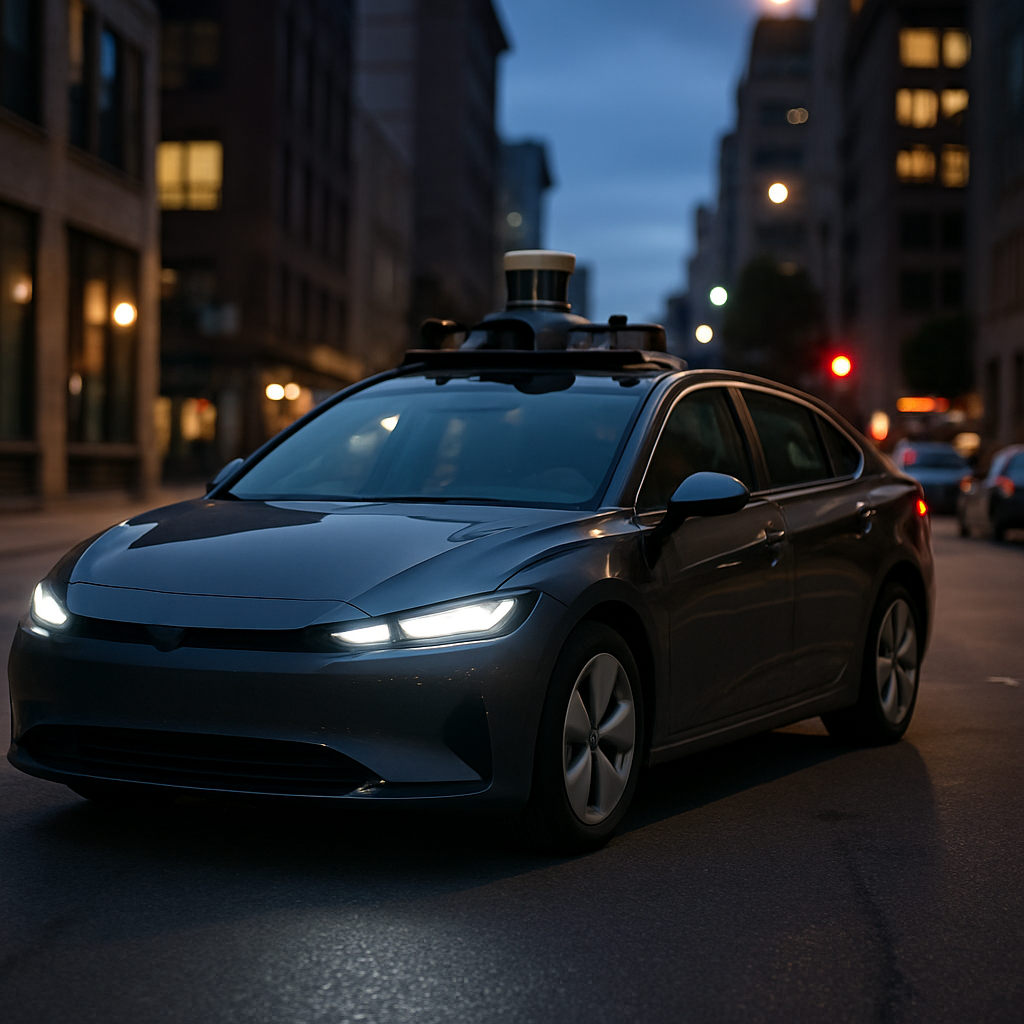
Tesla’s strategy centres on its existing fleet of consumer vehicles, which the company argues already collect vast quantities of real-world driving data through its Full Self-Driving software. Musk has repeatedly positioned this data advantage as an insurmountable moat, claiming Tesla’s neural network training corpus dwarfs that of any competitor. The company’s robotaxi ambitions crystallised further this year when it unveiled the Cybercab, a purpose-built two-seat vehicle with no steering wheel or pedals, targeting a launch price of roughly $30,000 and commercial deployment by 2026.
Waymo, by contrast, deploys a sensor-heavy hardware suite — combining lidar, radar, and cameras — across a fleet of modified Jaguar I-Pace vehicles and Zeekr-manufactured platforms. The company has logged more than 22 million fully autonomous miles on public roads and currently operates paid services in San Francisco, Los Angeles, and Phoenix. Its approach requires considerably higher per-vehicle hardware costs, estimated at between $100,000 and $150,000 per unit, though Waymo has signalled confidence that costs will fall sharply with scale.
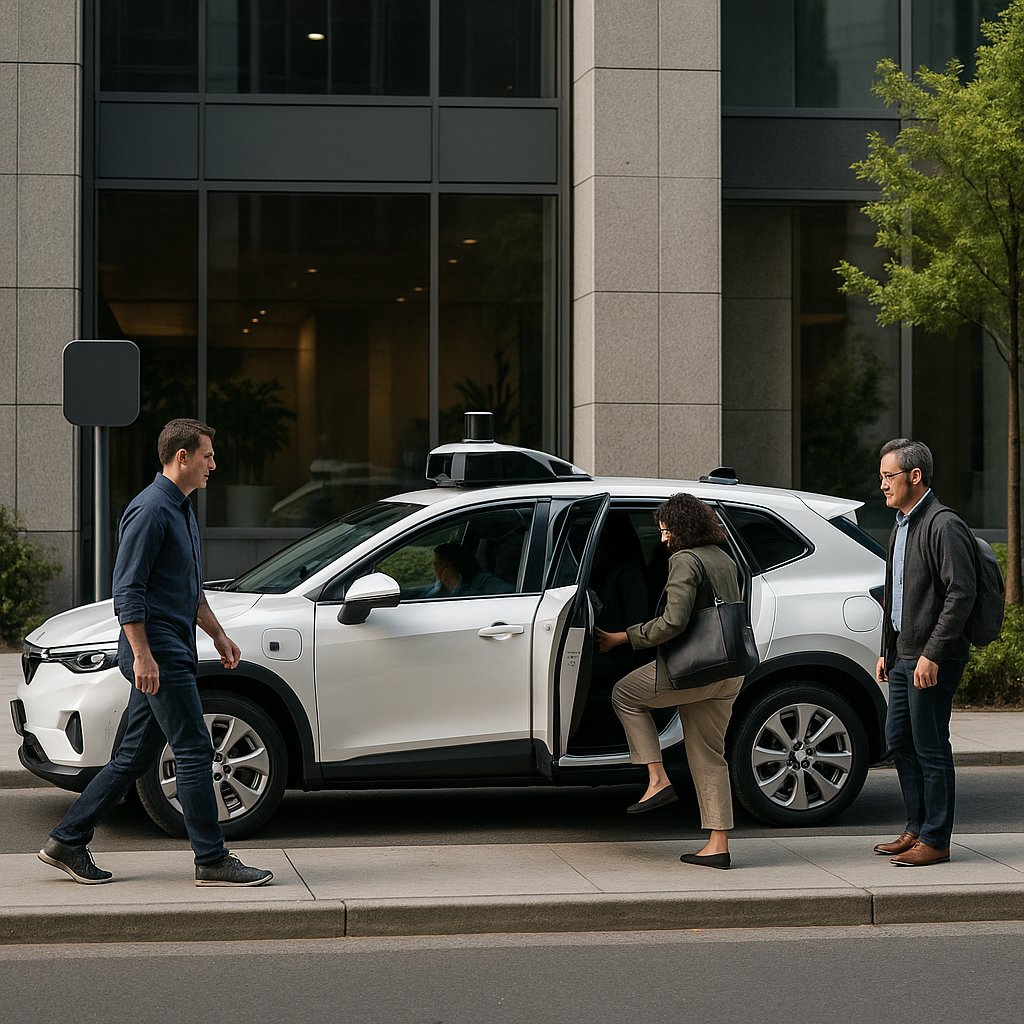
The financial stakes are drawing attention far beyond the automotive sector. Investors already navigating broader market volatility — the kind of risk-off anxiety that has rattled equity markets in recent months — are scrutinising whether autonomous vehicle companies can convert enormous R&D expenditure into durable, profitable business models before their capital runways narrow.
Portfolio managers hunting for structural growth themes in a rate-sensitive environment have increasingly flagged autonomous mobility alongside artificial intelligence infrastructure as a multi-decade opportunity. Yet the near-term picture remains clouded by regulatory uncertainty, liability frameworks that vary by jurisdiction, and the persistent challenge of achieving full commercial scale without first absorbing years of operating losses. How that tension resolves may well determine which of these rivals — carmaker or not — ultimately drives the robotaxi era forward.