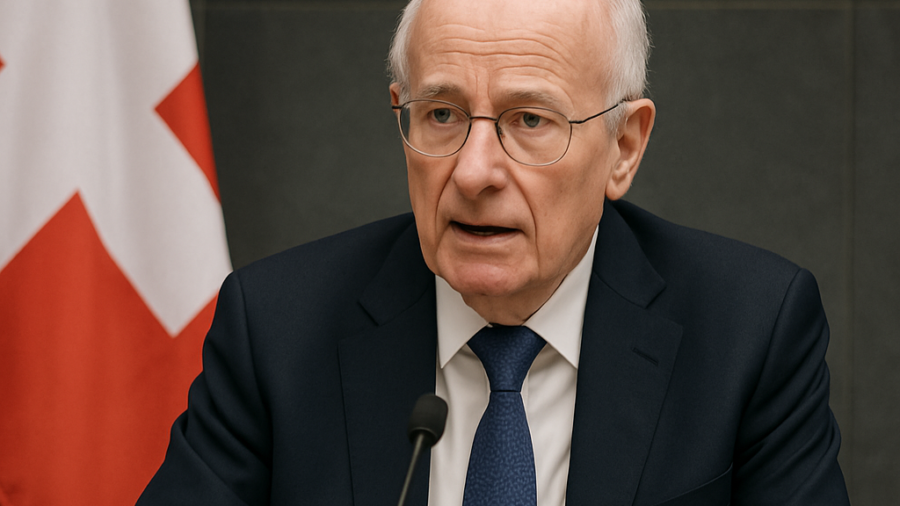
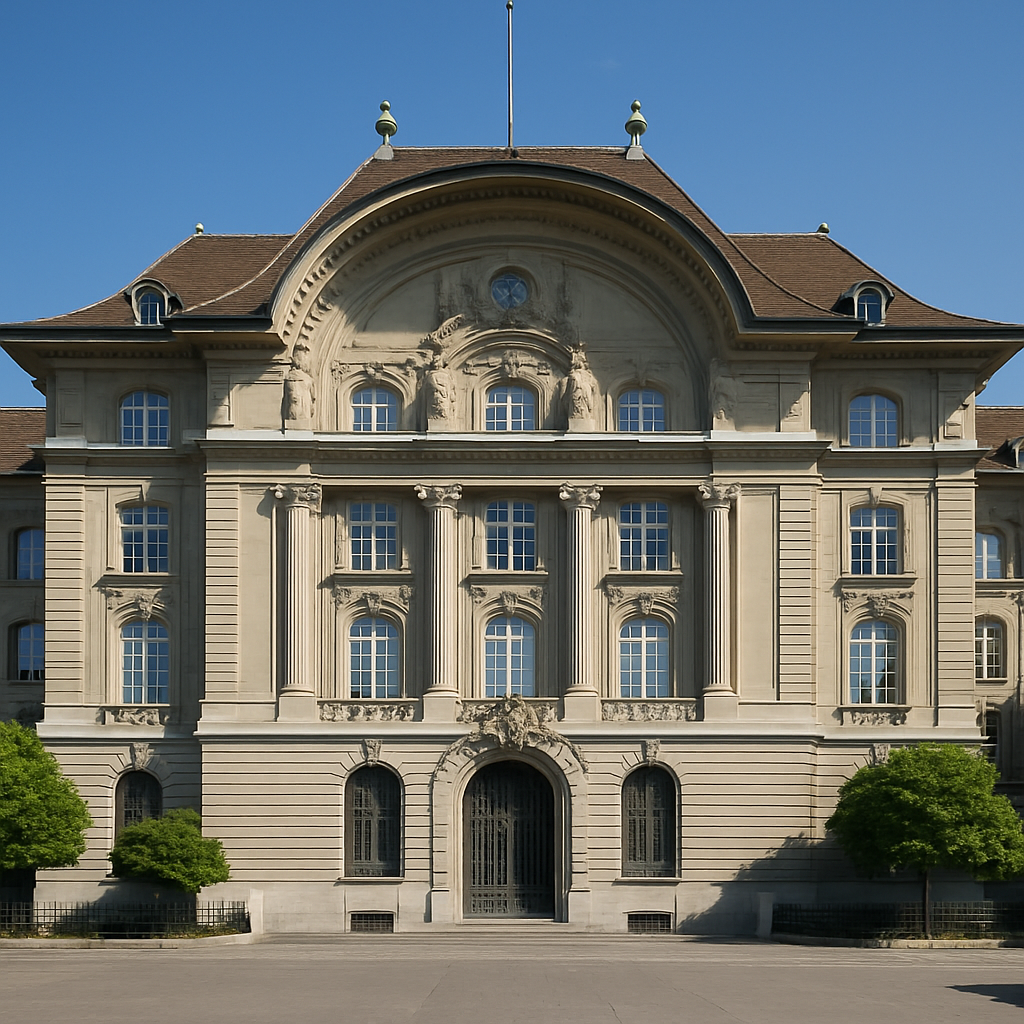
The Swiss National Bank delivered its most aggressive monetary policy easing in years on Thursday, cutting its benchmark interest rate by 50 basis points to 0.5%, as policymakers in Zurich moved decisively to counter slowing inflation and protect the Swiss economy from an increasingly fragile global backdrop. MarketWatch reported the decision under the headline “Swiss National Bank Cuts Interest Rates by a Half Point to 0.5%.”
The half-point reduction, which exceeded the quarter-point cut many analysts had anticipated, marks the fourth consecutive rate reduction by the SNB and brings Swiss borrowing costs to their lowest level since 2022. The central bank cited a significant moderation in inflationary pressures, with Swiss consumer price inflation running at just 0.7% year-on-year in November, well below the SNB’s 0–2% target range ceiling and among the lowest readings across developed economies.
SNB Chairman Martin Schlegel, who took the helm from longtime predecessor Thomas Jordan in October, framed the outsized cut as a necessary response to subdued price growth and mounting headwinds from abroad. The Swiss franc’s persistent strength has weighed on export competitiveness, with the currency having appreciated roughly 3% on a trade-weighted basis over the past six months, squeezing margins for the country’s critical manufacturing and pharmaceutical sectors.
The decision places the SNB at the forefront of global rate-cutting cycles, moving more boldly than peers including the European Central Bank, which has proceeded with a series of more measured 25-basis-point reductions. The fell to a one-year low against the dollar earlier this season as the ECB navigated its own easing path, and the SNB’s aggressive pivot may place additional upward pressure on the franc relative to the euro in the near term.
Markets responded swiftly to Thursday’s announcement. Swiss government bond yields dropped sharply across the curve, with the 10-year yield slipping approximately 8 basis points to around 0.28%. The franc weakened modestly against the euro and dollar in early trading before partially recovering as investors digested the broader implications of the move.

The SNB also revised its inflation forecasts downward, now projecting average annual inflation of just 1.1% for 2025 and 1.0% for 2026, figures that leave room for further easing should global growth deteriorate. Economists at several major institutions noted that negative interest rates — a policy the SNB famously deployed between 2015 and 2022 — cannot be entirely ruled out if deflationary risks re-emerge.
For global fixed-income investors recalibrating their allocations in a shifting rate environment, the SNB’s pivot adds a new dimension to portfolio construction. As central banks in Europe accelerate their easing cycles, the case for duration exposure has been reshaping flows into bond ETFs, with investors hunting yield in a landscape where Swiss rates are again approaching the floor.
The SNB’s next scheduled policy assessment is set for March 2025, though markets will be watching closely for any signals from Schlegel in the weeks ahead that could indicate whether Thursday’s bold move is a one-off adjustment or the opening act of a deeper easing cycle.