
A generational handover of historic proportions is quietly building across the American economy. More than half of the country’s small-business owners plan to retire within the next decade, according to a MarketWatch report, and economists are raising urgent questions about what becomes of the tens of millions of workers employed by those businesses when their owners walk out the door.
The scale of what is being called a potential “silver tsunami” is difficult to overstate. Small businesses collectively employ roughly 46 percent of the private-sector workforce in the United States, meaning the retirement decisions of a relatively small group of aging entrepreneurs carry enormous consequences for labor markets, local economies, and long-term economic competitiveness.

A Succession Crisis Without a Clear Solution
The core problem is not simply that owners want to retire — it is that many of them cannot find a qualified buyer or a willing successor. Surveys suggest that fewer than one in five small-business owners have a formal succession plan in place. Many had assumed they would sell their companies outright and use the proceeds to fund retirement, but weak valuations, rising interest rates, and a shortage of motivated buyers have complicated that calculation significantly.
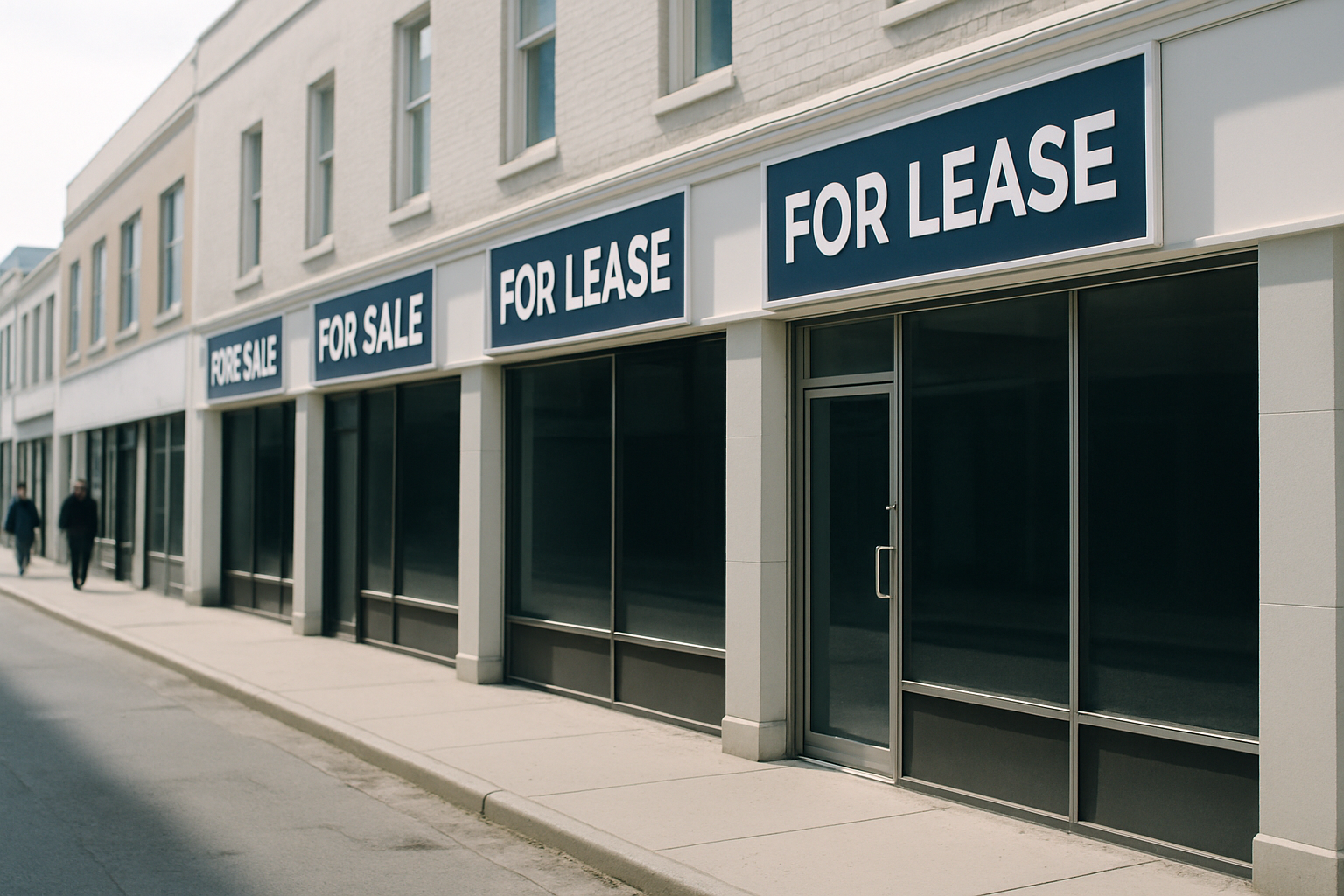
For workers, the stakes are immediate and personal. When a small business closes rather than transfers to a new owner, employees face sudden unemployment, often with minimal severance and limited access to retraining resources. Unlike workers at large corporations, those at small firms rarely benefit from advance notice requirements or structured transition programs. The disruption is particularly acute in rural and lower-income communities, where a single family-owned business may anchor an entire local economy.
Business brokers and intermediaries report that deal flow in the lower middle market has slowed considerably over the past two years, driven in part by borrowing costs that have made leveraged acquisitions less attractive to potential buyers. The combination of fewer qualified purchasers and more sellers entering the market simultaneously threatens to suppress valuations further, trapping some owners in businesses they are no longer able or willing to manage effectively.
Policy Gaps and Economic Ripple Effects
Economists and small-business advocates argue that the federal government has been slow to recognize the systemic nature of the risk. Existing programs through the Small Business Administration focus predominantly on helping entrepreneurs start and grow companies, with comparatively little infrastructure devoted to facilitating ownership transitions. Proposals to expand the use of employee stock ownership plans, or ESOPs, as a succession mechanism have gained traction in policy circles, but adoption remains limited by administrative complexity and upfront legal costs that deter many owners from pursuing the option.
The retirement wave also intersects with broader labor market pressures. Workers who lose jobs when a small business closes are more likely to accept lower wages in subsequent employment and less likely to recover fully within five years, according to economic research on displaced workers. In sectors such as skilled manufacturing, food service, and professional services — all of which have high concentrations of small, owner-operated firms — the cumulative effect of business closures could hollow out specific industries in targeted regions over time.
Some financial advisers are urging small-business owners to begin transition planning far earlier than they otherwise might, treating succession as a strategic financial decision rather than a retirement formality. For those approaching their mid-fifties, a five-to-seven-year runway is often cited as the minimum required to prepare a business for a clean sale. Owners who wait until they are ready to retire, advisers caution, frequently find that the market for their business has narrowed considerably. Readers following broader shifts in household financial security may also find context in our coverage of mortgage rate outlook trends, which directly affect the borrowing capacity of prospective small-business buyers. For a wider picture of sectors under structural pressure, see our analysis of S&P 500 sectors where earnings dynamics are shifting in ways that reflect the same demographic forces reshaping Main Street.