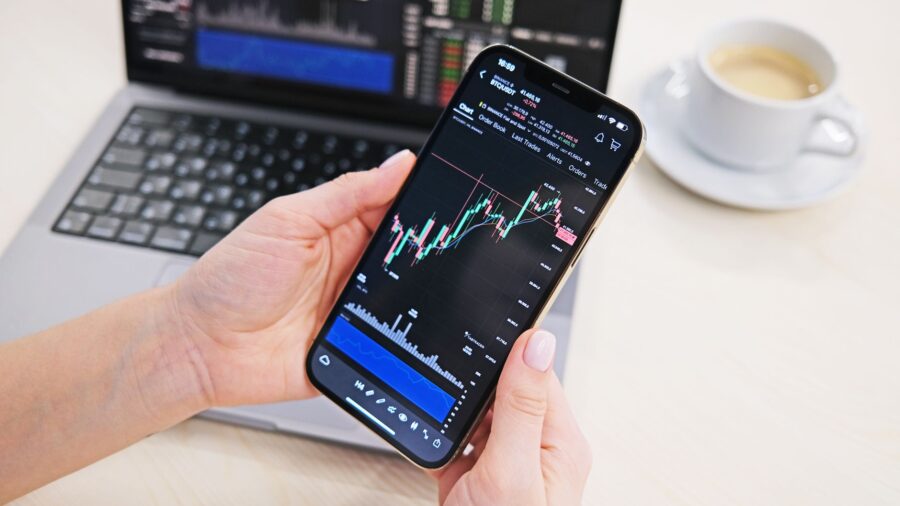
The U.S. Securities and Exchange Commission has reached a settlement resolving charges against individuals accused of defrauding retail investors through a scheme involving counterfeit pre-IPO shares in some of the world’s most closely watched private companies, including Elon Musk’s SpaceX and Swedish fintech giant Klarna. The case underscores the growing vulnerability of ordinary investors eager to access high-growth private markets before companies list publicly, a space where regulatory oversight has historically lagged investor demand. Details of the enforcement action were reported by Channel News Asia.
The settlement follows a broader pattern of fraud cases targeting pre-IPO enthusiasm, a segment that has expanded sharply as blockbuster listings from venture-backed companies have generated enormous returns for early institutional backers. Retail investors, largely excluded from those early rounds, have increasingly turned to secondary market platforms and unregistered brokers seeking exposure — creating fertile ground for bad actors. The SEC’s action is among the more prominent enforcement moves in this space in recent years, and arrives at a moment when U.S. employment data and broader economic uncertainty are already weighing on household finances.
How the Scheme Operated and Who Was Targeted
According to the SEC, the defendants solicited investors with promises of pre-IPO allocations in marquee private companies, collecting funds from individuals who believed they were purchasing legitimate equity stakes. The fraudsters allegedly used the recognisable names of SpaceX — valued by some private market estimates at over 350 billion dollars — and Klarna, which has been actively pursuing a public listing on U.S. exchanges, to lend credibility to their solicitations. Victims were led to believe they were gaining access to restricted, high-demand shares that would deliver substantial gains upon a future listing.
The mechanics of the alleged fraud involved misrepresenting the source and legitimacy of shares, with investor funds reportedly diverted rather than used to acquire any actual equity. The SEC did not disclose the total sum raised by the defendants in publicly available settlement documents, though enforcement officials indicated that victims spanned multiple states. Investigators noted that the operators exploited a gap in investor knowledge about how legitimate secondary market transactions in private company shares are structured, including the legal documentation, transfer restrictions, and custodial arrangements typically involved.
Regulatory Pressure Mounts on Private Market Intermediaries
The settlement reflects intensified SEC scrutiny of the unregistered and loosely regulated ecosystem that has grown up around private company share trading. As companies such as SpaceX and Klarna have remained private for extended periods — frustrating retail investors hungry for exposure — a secondary market for their shares has flourished, operating in a largely opaque environment. Klarna, which confidentially filed for a U.S. IPO earlier this year, has been among the most discussed potential listings in global financial markets, drawing significant speculative interest.

Regulators have signalled that enforcement in this area will continue, particularly as the pipeline of anticipated IPOs keeps investor appetite elevated. The SEC has in recent years brought several cases involving fraudulent offerings tied to private company names, but the involvement of a company as prominent as SpaceX — whose activities in commercial spaceflight and satellite internet have made it a household name — gives this settlement particular visibility. The regulator has urged retail investors to verify the registration status of any intermediary offering pre-IPO securities and to seek independent legal counsel before committing capital to private market transactions.
The terms of the settlement were not fully disclosed at the time of reporting, and it remains unclear whether the defendants admitted wrongdoing as part of the agreement. In many SEC civil settlements, defendants neither admit nor deny the allegations. The commission’s enforcement division has increasingly prioritised cases involving retail investor harm, and officials indicated that coordination with state-level securities regulators contributed to building the case. For investors tracking the broader regulatory landscape around technology and private market assets, the outcome reinforces why due diligence in pre-IPO investing demands rigour far beyond brand recognition alone.