
Grocery bills have climbed sharply over the past two years, and yet a notable segment of American consumers continues to reach past the conventional label and pay a meaningful premium for organic produce, dairy, and packaged goods. That counterintuitive behavior is drawing fresh scrutiny from analysts and retailers alike, as it challenges the assumption that sustained inflation would uniformly push shoppers toward the cheapest available option. Much as gas price surges have revealed how consumers absorb and adapt to cost pressures in uneven ways, the organic food market is demonstrating that value judgments in the grocery aisle are rarely straightforward.
According to reporting by Marketplace, in a segment titled “Why, despite high food prices, consumers are still buying organic,” organic sales have remained resilient even as overall consumer confidence has softened and discretionary spending has pulled back in several other categories. Industry estimates have placed the organic food and beverage market above 60 billion dollars annually in the United States, with compound annual growth rates that have consistently outpaced those of conventional grocery segments over the past five years.
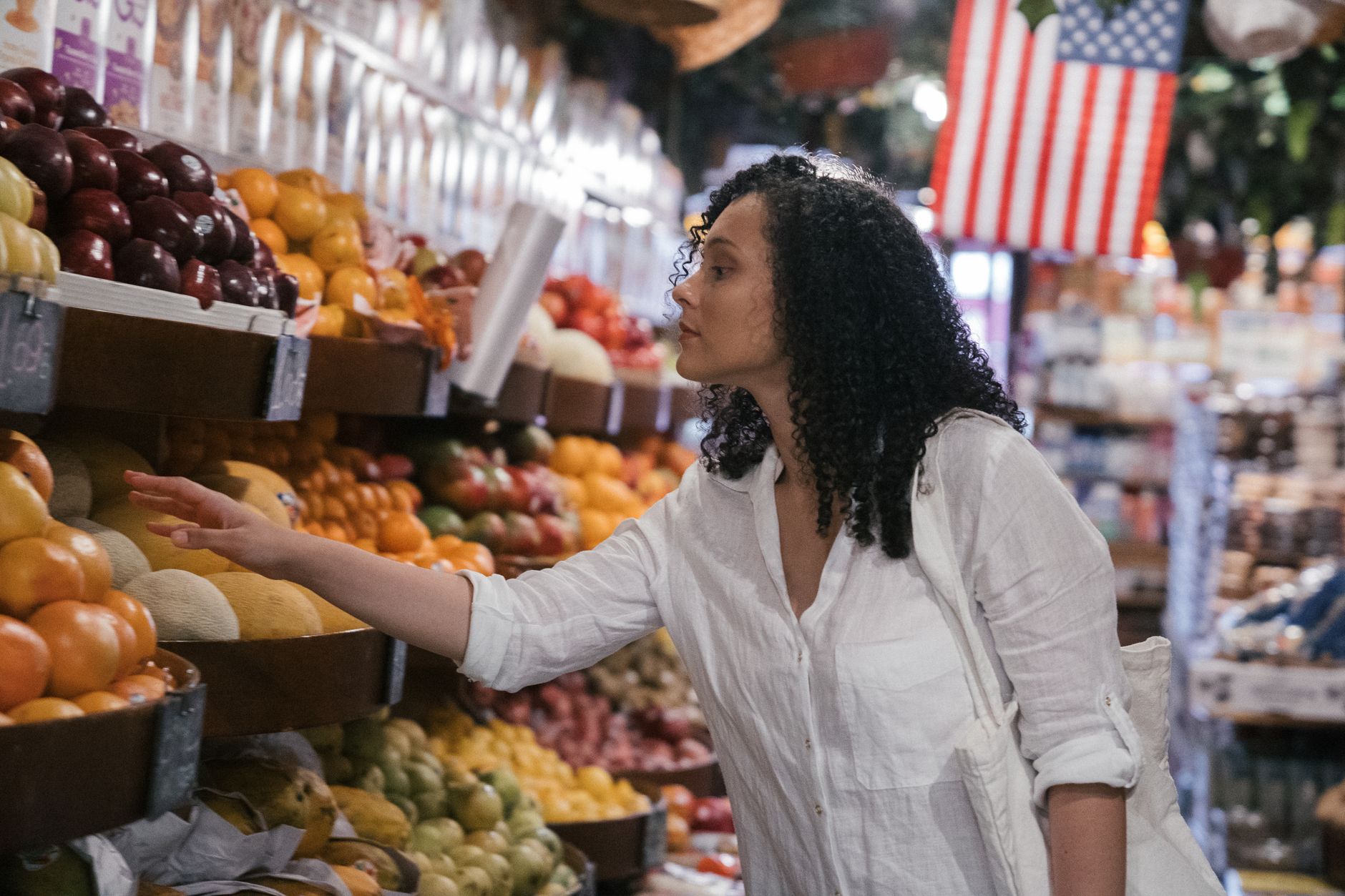
Price Sensitivity Has Limits When Values Are Involved
Economists and consumer behavior researchers have long documented that food purchasing decisions are not purely transactional. Shoppers who have integrated organic buying into their sense of identity — around health, environmental concern, or feeding children — tend to treat those purchases as near-necessities rather than luxuries. This psychological anchoring makes organic spending stickier than conventional demand models would predict, even when household budgets are under genuine strain.
The pattern is particularly pronounced among households earning between 75,000 and 150,000 dollars annually, a demographic that has faced real purchasing power erosion from inflation but has not been forced into the kind of fundamental trade-down behavior seen at lower income brackets. These consumers are more likely to cut spending on restaurant meals, streaming subscriptions, or apparel before abandoning organic milk or cage-free eggs. Retailers including major supermarket chains have reported that their organic private-label lines have held volume share better than many premium national brands in other categories, suggesting consumers are finding creative ways to stay in the organic segment while still economizing.
Retailers and Producers Adjust Strategy to Protect Market Share
The durability of organic demand has not gone unnoticed by producers and supermarket buyers. Several large grocery chains have expanded their store-brand organic offerings precisely to give budget-conscious shoppers a lower-cost entry point that keeps them in the category rather than defecting entirely to conventional alternatives. Analysts note that the price gap between organic and conventional has also narrowed modestly in some subcategories, particularly leafy greens and eggs, as supply chains for certified organic agriculture have matured and input costs stabilized in select growing regions.
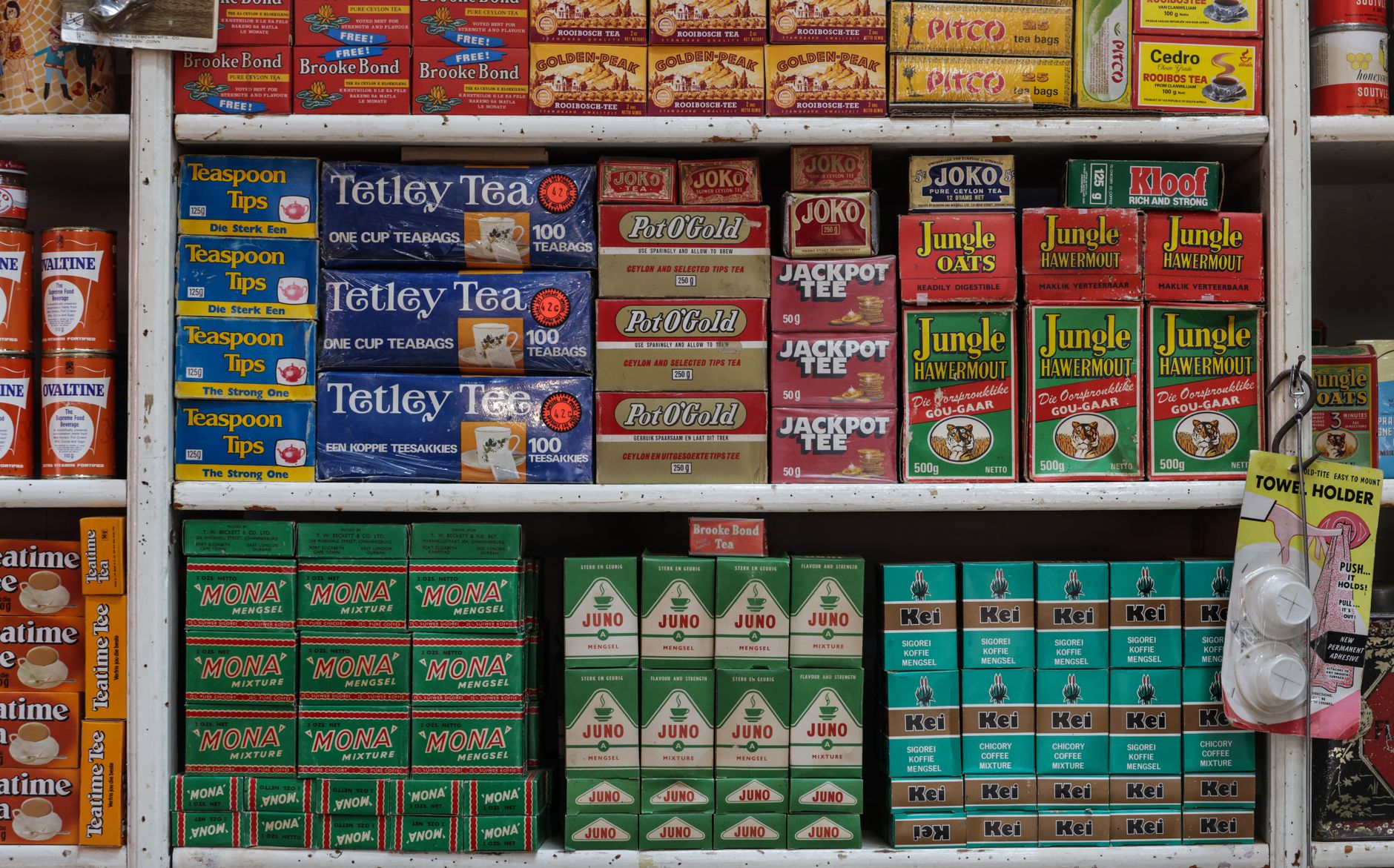
From a corporate strategy standpoint, the resilience of the organic segment is influencing capital allocation decisions across the food industry. Companies with diversified portfolios spanning both conventional and organic lines have used the organic segment’s outperformance as a buffer against broader volume declines in center-store categories. That dynamic mirrors how other industries have navigated bifurcated consumer demand — a tension also visible in how technology and financial services firms are rethinking product tiers, as seen in the investor scrutiny over SoFi guidance concerns around its premium versus mass-market positioning.
Looking ahead, the organic category’s near-term trajectory will depend heavily on whether food inflation moderates sufficiently to relieve pressure on mid-income households, or whether a prolonged cost squeeze eventually forces even committed organic buyers to reconsider. For now, the data suggests that the market has found a durable floor, rooted less in disposable income and more in entrenched consumer conviction — a distinction that carries significant implications for food manufacturers, investors, and the retailers betting on premium segments to sustain margin in a challenging macro environment.