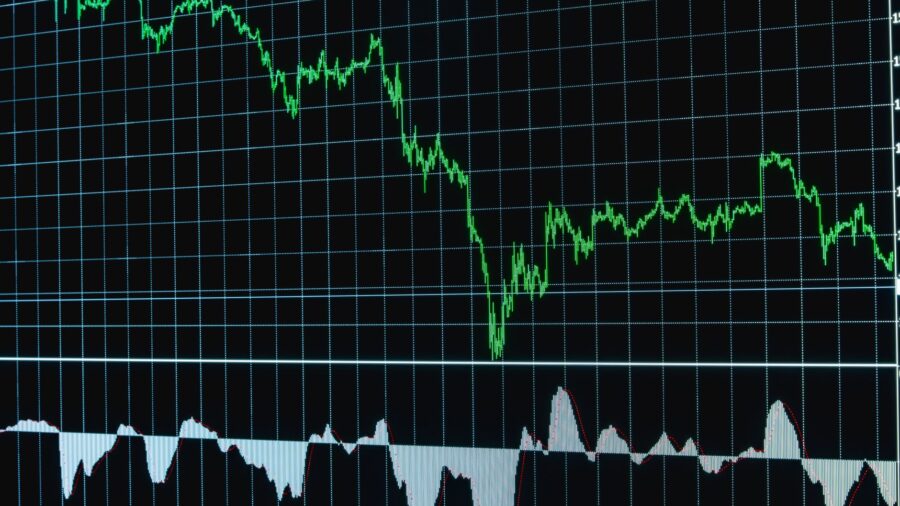
A surge of activity in the options market is pointing toward an increasingly bold conviction among derivatives traders: that interest rates in the United States are headed sharply lower, and perhaps sooner than Federal Reserve officials have publicly signaled. Positioning data across short-term rate instruments reveals traders stacking bets on cuts that would exceed the central bank’s own projections by a substantial margin, a dynamic that carries significant implications for bond markets, equities, and the broader corporate earnings outlook.
According to a MarketWatch report, options tied to the Secured Overnight Financing Rate, known as SOFR, have seen notable clustering around strike prices that imply the federal funds rate falling well below current levels within the next twelve months. The scale of these positions suggests this is not merely speculative fringe activity but a coordinated shift in how professional market participants are pricing monetary policy risk.
The Anatomy of the Rate Wager
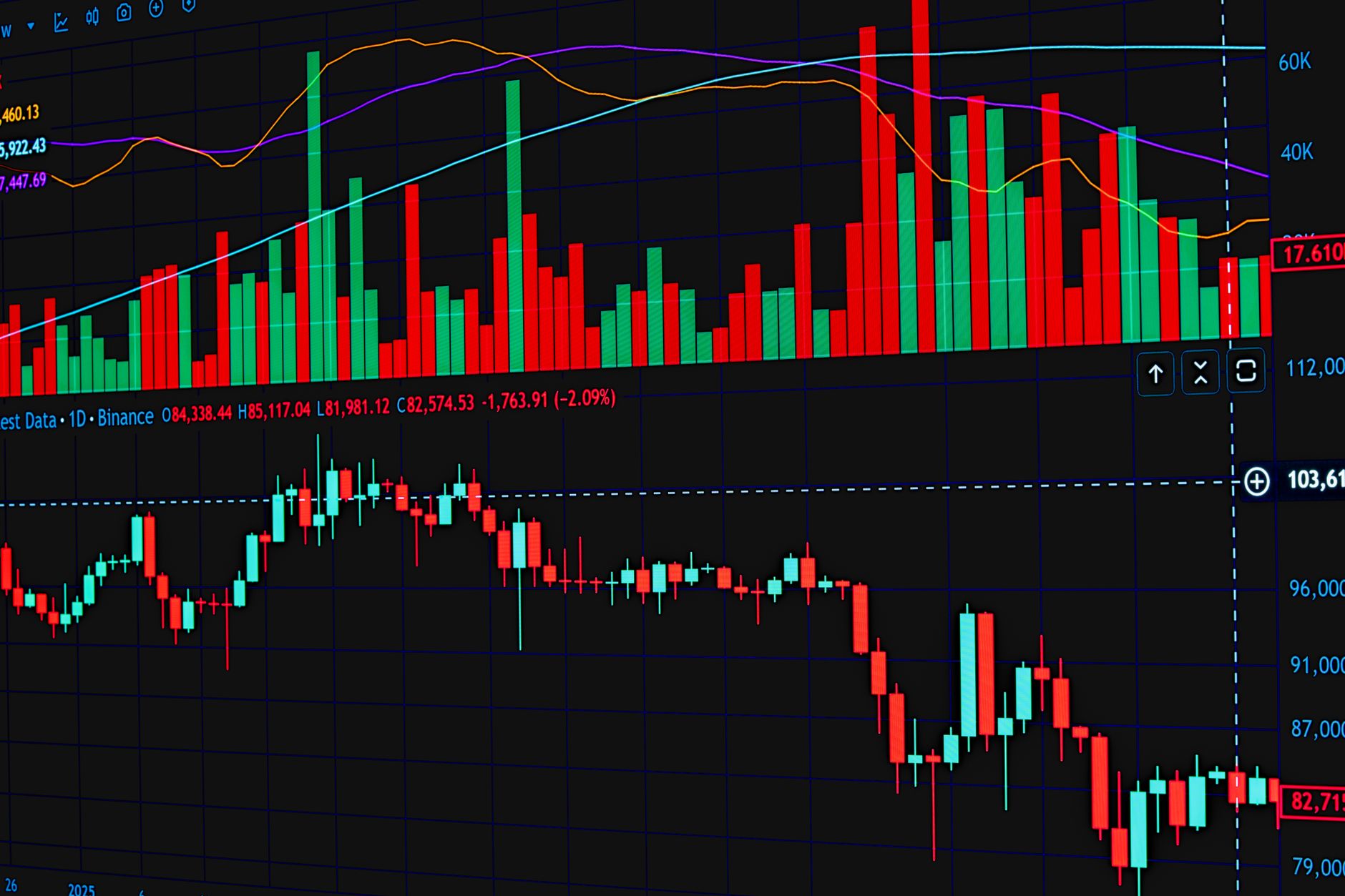
Options markets function as a real-time referendum on probability, and right now that referendum is delivering an unusually pointed verdict. Traders have been purchasing call options on rate-sensitive instruments at strike prices consistent with the federal funds rate dropping to somewhere in the range of 3% or below — a move that would represent more than 150 basis points of easing from current levels if the Fed were to act within a compressed timeframe. The implied volatility embedded in these contracts has also risen, suggesting participants are not just directionally bearish on rates but are bracing for a faster and more disruptive policy shift than a gradual easing cycle would typically produce.
This kind of extreme positioning often emerges when market participants believe the consensus view — in this case, the Fed’s own dot plot projections — is materially wrong. Whether that reflects concerns about a deteriorating labor market, softening inflation data, or broader macroeconomic fragility, the options market is effectively pricing in a scenario in which the Federal Reserve finds itself compelled to act aggressively rather than methodically. That distinction matters enormously for asset allocators recalibrating fixed income exposure and for risk managers assessing duration across portfolios.
What Extreme Positioning Means for Broader Markets
Dramatic rate cut bets carry consequences that ripple far beyond the derivatives desks where they originate. If options markets are correct, the implications for Treasury yields would be significant, with short-duration paper likely seeing the sharpest price appreciation. Equity markets, which have already demonstrated sensitivity to every incremental shift in rate expectations, would face a reassessment of discount rates across sectors — particularly in rate-sensitive areas such as utilities, real estate investment trusts, and high-growth technology names where valuations remain stretched relative to historical norms.
There is also a cautionary dimension to interpreting this data. Positioning in options markets can reflect hedging strategies as much as outright directional bets, meaning a portion of the volume may represent institutional players protecting portfolios against tail risk rather than expressing high-conviction views on Fed policy. The signal is therefore informative but not definitive. What is clear is that the gap between official guidance and market pricing has widened to a degree that cannot be easily dismissed, and that gap itself creates instability — one that recall echoes of 2022, when the market repeatedly underpriced the pace of tightening until it could no longer do so. The possibility that a similar reckoning now awaits in the opposite direction is precisely what the options market appears to be pricing in, and what policymakers will be watching closely in the months ahead. Observers tracking parallel pressures on sovereign finances globally — including the dynamics explored in coverage of Iran’s currency crisis — understand how swiftly market expectations can move when confidence in a rate regime begins to fracture.