China’s smartphone industry has long been dismissed in Western markets as a producer of capable but ultimately imitative hardware. The launch of OPPO’s Find X9 Ultra is testing that assumption with unusual force. According to a Calcalist Tech review, the device makes a compelling argument that Chinese manufacturers have not only closed the gap with Apple and Samsung but in certain respects surpassed them — a claim that carries significant commercial and geopolitical weight as the global premium smartphone market, valued at over $150 billion annually, continues to concentrate at the high end. For investors tracking Apple’s revenue forecast, a credible Chinese rival at the flagship tier is a development worth watching closely.
The Find X9 Ultra is priced at approximately $1,300 in key Asian markets, positioning it directly against the iPhone 16 Pro Max and Samsung’s Galaxy S25 Ultra. OPPO, owned by BBK Electronics — the same conglomerate that controls OnePlus, Vivo, and Realme — shipped roughly 10 million units under the Find series in 2024, a modest figure compared to Apple’s estimated 230 million annual iPhone shipments, but one that reflects a deliberate focus on margin-rich premium positioning rather than volume.
Camera Hardware That Resets Expectations for the Segment
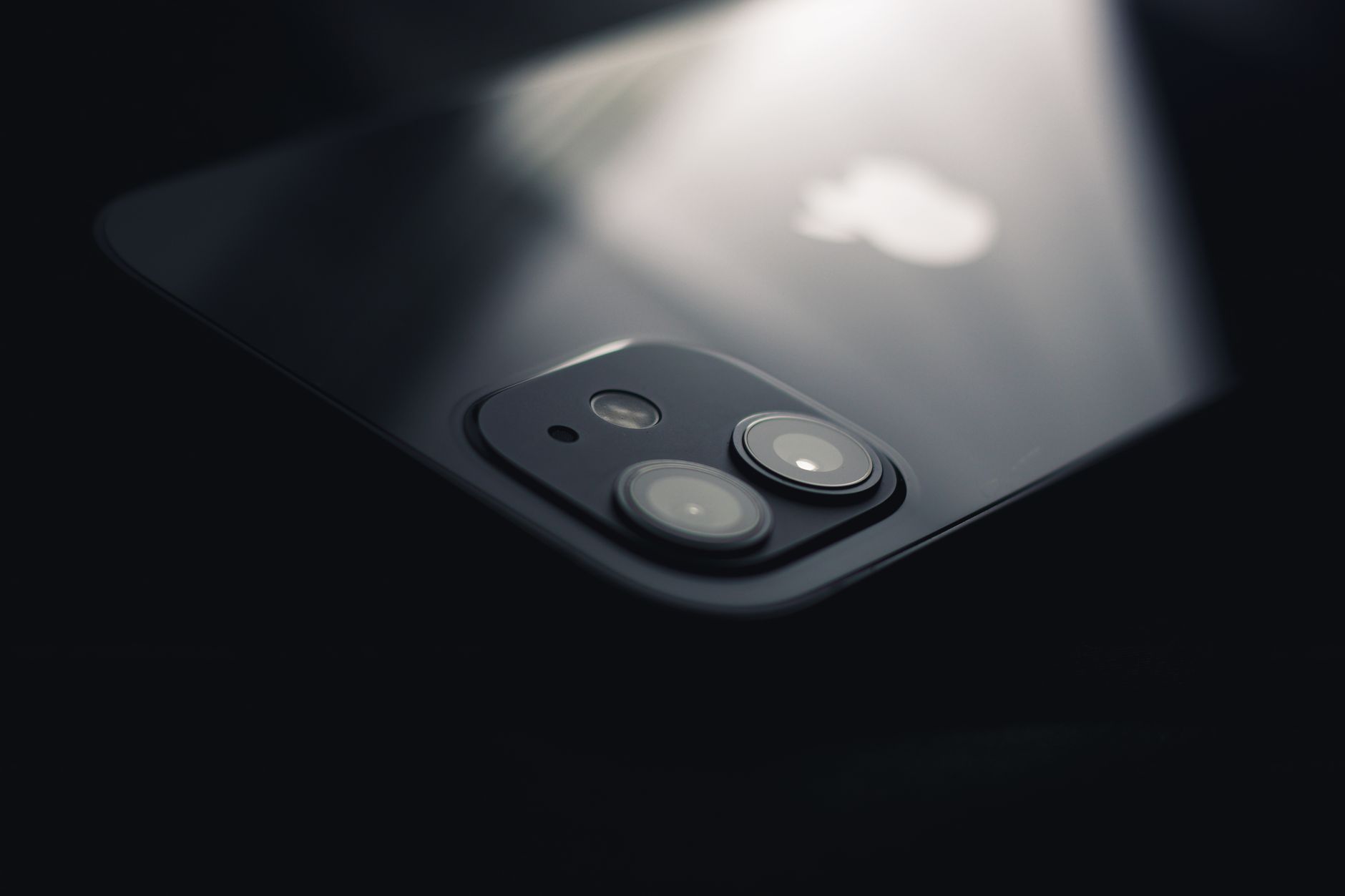
The device’s most discussed feature is its imaging system, co-engineered with Hasselblad — a partnership OPPO has cultivated since 2021 to lend optical credibility to its flagship line. The Find X9 Ultra ships with a one-inch main sensor, a periscope telephoto lens capable of 6x optical zoom, and a dedicated ultrawide camera, all tuned with Hasselblad’s natural colour science. Reviewers have noted that the phone’s low-light performance rivals or exceeds the iPhone 16 Pro Max in several real-world tests, a benchmark that would have been considered implausible for a Chinese OEM just four years ago.
The camera array is complemented by a 6.82-inch LTPO AMOLED display with a peak brightness of 4,500 nits and a refresh rate that scales between 1Hz and 120Hz depending on content. The chassis uses titanium framing — mirroring Apple’s own materials pivot in the iPhone 15 Pro series — and the device is rated IP68 for dust and water resistance. These are not merely aesthetic choices; they signal that OPPO is engineering for the same durability and longevity expectations that premium consumers in Europe and North America have come to require.
Market Ambitions Collide With Trade and Distribution Barriers
Despite the hardware achievement, OPPO faces structural obstacles that hardware alone cannot resolve. The company remains largely absent from the United States market following an unresolved patent dispute with Qualcomm that led OPPO to exit several markets in 2023. Europe represents a more accessible frontier, though OPPO’s market share on the continent sits below 5 percent, far behind Samsung’s approximately 33 percent share and Apple’s 25 percent. Building distribution infrastructure and brand recognition at the premium tier in Western markets requires years of sustained investment, not a single device cycle.
The competitive dynamics of the premium smartphone race are also shifting at the software and artificial intelligence layer, not just the hardware level. As Verge has reported, Apple’s deepening integration with OpenAI and its broader AI hardware strategy suggests the next battleground in the smartphone market will be defined by on-device intelligence and ecosystem lock-in rather than sensor size or display brightness alone. OPPO’s ColorOS platform, while refined, lacks the developer ecosystem and cross-device integration that Apple’s operating environment provides — a gap that is harder to close than any camera specification.
Still, the Find X9 Ultra is a meaningful inflection point. It demonstrates that Chinese manufacturers now possess the engineering discipline, materials sophistication, and brand partnership infrastructure to compete at the $1,000-plus tier on technical merit. Whether that translates into market share gains in Europe or a longer-term re-entry into North America will depend on factors well beyond the quality of a camera lens — including trade policy, regulatory treatment, and the willingness of Western carriers to grant premium shelf placement to Chinese brands navigating an increasingly fraught geopolitical environment. For now, OPPO has built the hardware. The commercial test is only beginning.