
U.S. equity futures advanced and crude oil prices fell sharply in early trading on Monday after both the United States and Iran indicated a temporary halt to retaliatory strikes, easing the geopolitical risk premium that had gripped global markets throughout the prior week. The sudden de-escalation gave investors room to breathe ahead of what analysts are describing as one of the busiest stretches of the summer earnings season. According to a MarketWatch report, futures tied to the S&P 500 rose roughly 1.2 percent, while Nasdaq 100 futures added close to 1.5 percent, reflecting a broad-based appetite for risk assets once the immediate threat of further military escalation appeared to recede.
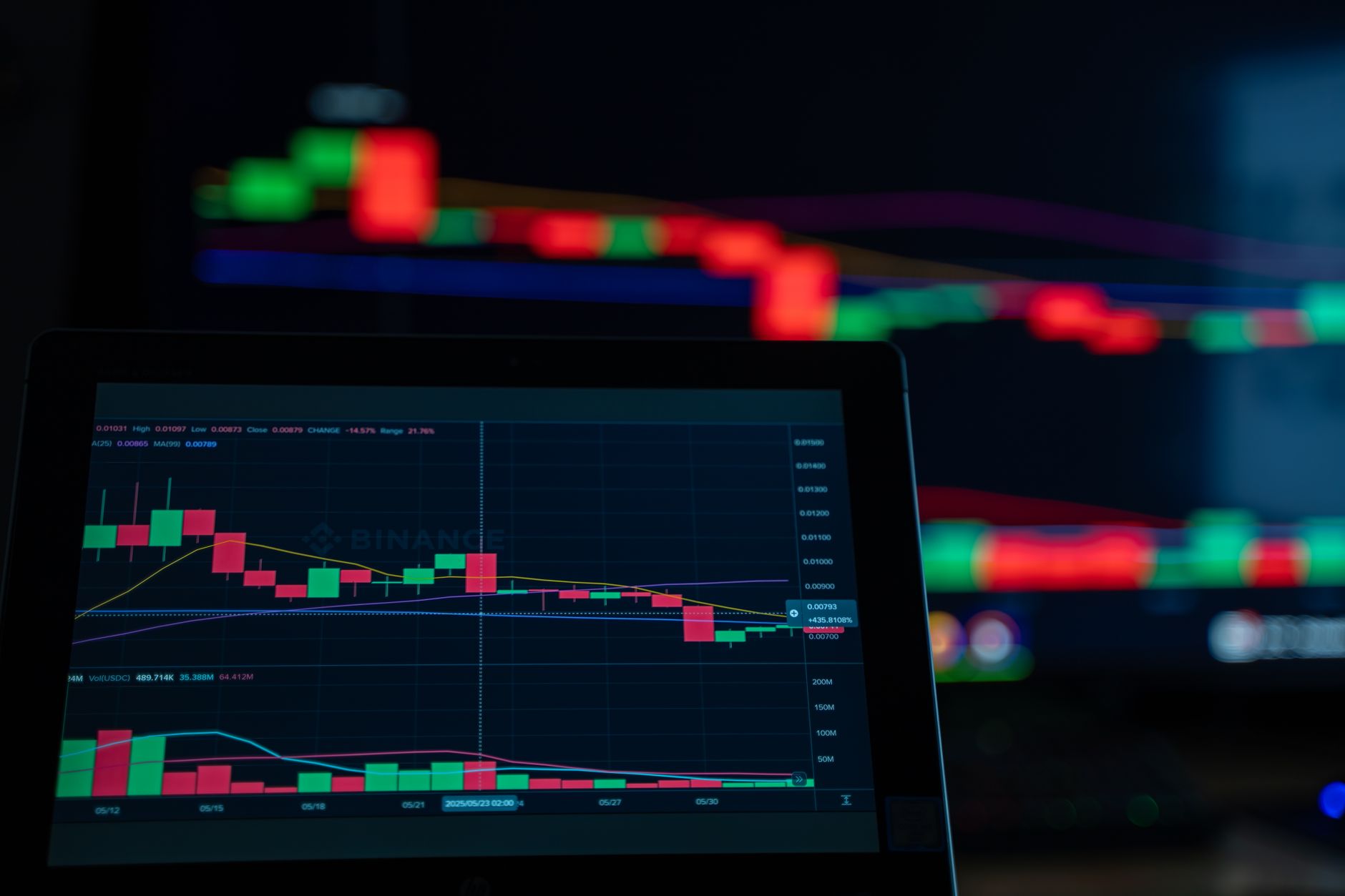
Oil markets moved in the opposite direction. West Texas Intermediate crude fell more than four percent in early session trading, retreating toward the low $70s per barrel after having surged on fears of supply disruption through the Strait of Hormuz. Brent crude tracked a similar decline. The reversal underscored how sensitive energy prices had become to headlines out of the Middle East, and how quickly that premium can unwind when diplomatic signals shift. Investors with exposure to equity technical signals had already flagged the possibility of sharp swings in either direction depending on how the geopolitical situation evolved.

Wall Street Braces for a Week Packed With Earnings and Economic Data
The geopolitical reprieve arrives at a consequential moment for U.S. markets. The coming week is set to deliver a concentrated wave of major corporate earnings reports, with several of the largest companies by market capitalization scheduled to release quarterly results. Technology and consumer discretionary names dominate the calendar, and any significant misses or downward guidance revisions could quickly override the relief rally sparked by the Iran ceasefire signal. Macro data is equally dense, with readings on consumer confidence, durable goods orders, and the Federal Reserve’s preferred inflation gauge — the personal consumption expenditures index — all expected before the week closes.
Options markets reflected the elevated uncertainty. Implied volatility measures remained above their 30-day averages even as futures pointed higher, suggesting that traders were hedging against a rapid reversal if earnings disappointed or if diplomatic conditions changed. The combination of geopolitical sensitivity and a data-heavy calendar has made positioning particularly difficult for institutional managers, several of whom have noted in recent weeks that the risk/reward calculus for adding net long exposure has rarely been more complex. That complexity is compounded by ongoing questions about the Federal Reserve’s rate path in the second half of the year, with policymakers offering limited forward guidance at recent public appearances.
Oil Surge Reversal Marks a Sharp Contrast With Last Week’s Energy Spike
The pullback in crude prices on Monday stood in stark contrast to the environment that prevailed just days earlier. As Investopedia markets coverage documented, stocks closed sharply lower in the prior session as oil prices surged and investor sentiment soured, with the Dow Jones Industrial Average and S&P 500 both suffering meaningful losses as Alphabet and Tesla shares weighed heavily on major indexes. The reversal on Monday illustrated how tightly correlated equity and energy markets had become in the context of the Iran tensions, with risk assets and crude prices moving in near-perfect opposition as diplomatic news flow shifted.
Energy sector stocks, which had benefited from the crude spike, gave back some gains in premarket trading as the oil price retreat took hold. Conversely, rate-sensitive growth stocks and technology names with compressed valuations during the risk-off period were among the early beneficiaries of the futures rally. Analysts cautioned, however, that the pause in hostilities was precisely that — a pause — and that the situation retained the potential to reignite swiftly. Any resumption of strikes could send crude prices surging again and reverse the equity gains registered early in the week. For now, markets appeared willing to price in a degree of optimism, though traders and fund managers were keeping hedges firmly in place as Wall Street prepared for what could prove to be a defining few days for the second half of 2026.