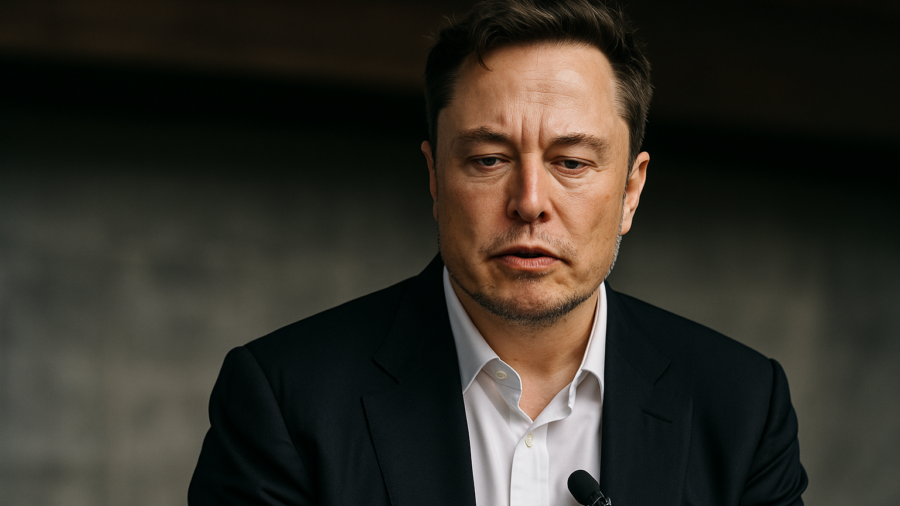
Elon Musk, the chief executive of Tesla and SpaceX and owner of the social media platform X, has publicly acknowledged that some of his recent posts criticising former and current President Donald Trump crossed a line, stating that certain remarks “went too far” and that he regrets them. The admission, made directly on X, represents a rare moment of self-correction from one of the world’s most prominent and outspoken technology executives, and it arrives at a moment of heightened scrutiny over Musk’s political positioning and its potential knock-on effects for his business interests.
MarketWatch reported that Musk made the comments in a post on X, the platform he acquired in a $44 billion deal in October 2022. The billionaire did not specify precisely which posts he was referring to, but the statement came after a period of increasingly sharp exchanges between Musk and Trump’s political orbit that had drawn significant attention across financial and political media.

A Feud With Real Financial Stakes
The public spat between Musk and Trump had moved well beyond social media theatre, with analysts flagging genuine risks to Tesla’s valuation and to Musk’s government-adjacent business dealings. Tesla shares have already endured a volatile stretch in 2025, having fallen more than 30 percent from their post-election peak before staging a partial recovery. Investors had attributed a portion of that slide to the reputational turbulence generated by Musk’s political activities, including his role leading the Department of Government Efficiency, known as DOGE, and his subsequent friction with the administration he had been seen as closely aligned with.
SpaceX, which remains privately held, carries its own exposure to the federal government through lucrative contracts with NASA and the Department of Defense. Any sustained deterioration in Musk’s relationship with the White House could, in theory, complicate the renewal or expansion of those agreements. The Fiscalist previously examined the evolving commercial dynamics surrounding SpaceX as it pursues partnerships with major telecommunications players, a context that makes stable political relationships all the more commercially valuable for the company.
Wall Street analysts at several major brokerages had flagged the Musk-Trump discord as a headline risk rather than a fundamental one, but the distinction had done little to prevent short-term volatility in Tesla stock. Options markets had priced in elevated implied volatility for Tesla through the second quarter, reflecting trader uncertainty about how the situation would resolve.
Musk’s Tone Shift and What It Signals for Markets
The concession on X is being read by some market observers as a deliberate de-escalation, likely motivated at least in part by the business calculus that sustained conflict with a sitting president carries asymmetric downside risk for a chief executive whose companies depend heavily on regulatory goodwill, federal contracts, and public market sentiment. Musk’s net worth, estimated by Bloomberg’s Billionaires Index at roughly $300 billion as of mid-2025, is overwhelmingly concentrated in Tesla and SpaceX equity, making share price stability a matter of direct personal financial consequence.
Political analysts and communications strategists noted that the phrasing Musk chose — acknowledging excess rather than issuing a full retraction — is consistent with a calibrated attempt to reduce temperature without appearing to capitulate entirely. Whether the gesture is reciprocated by the Trump administration in any substantive policy or contractual sense remains to be seen. The White House had not issued a formal response at the time of publication.
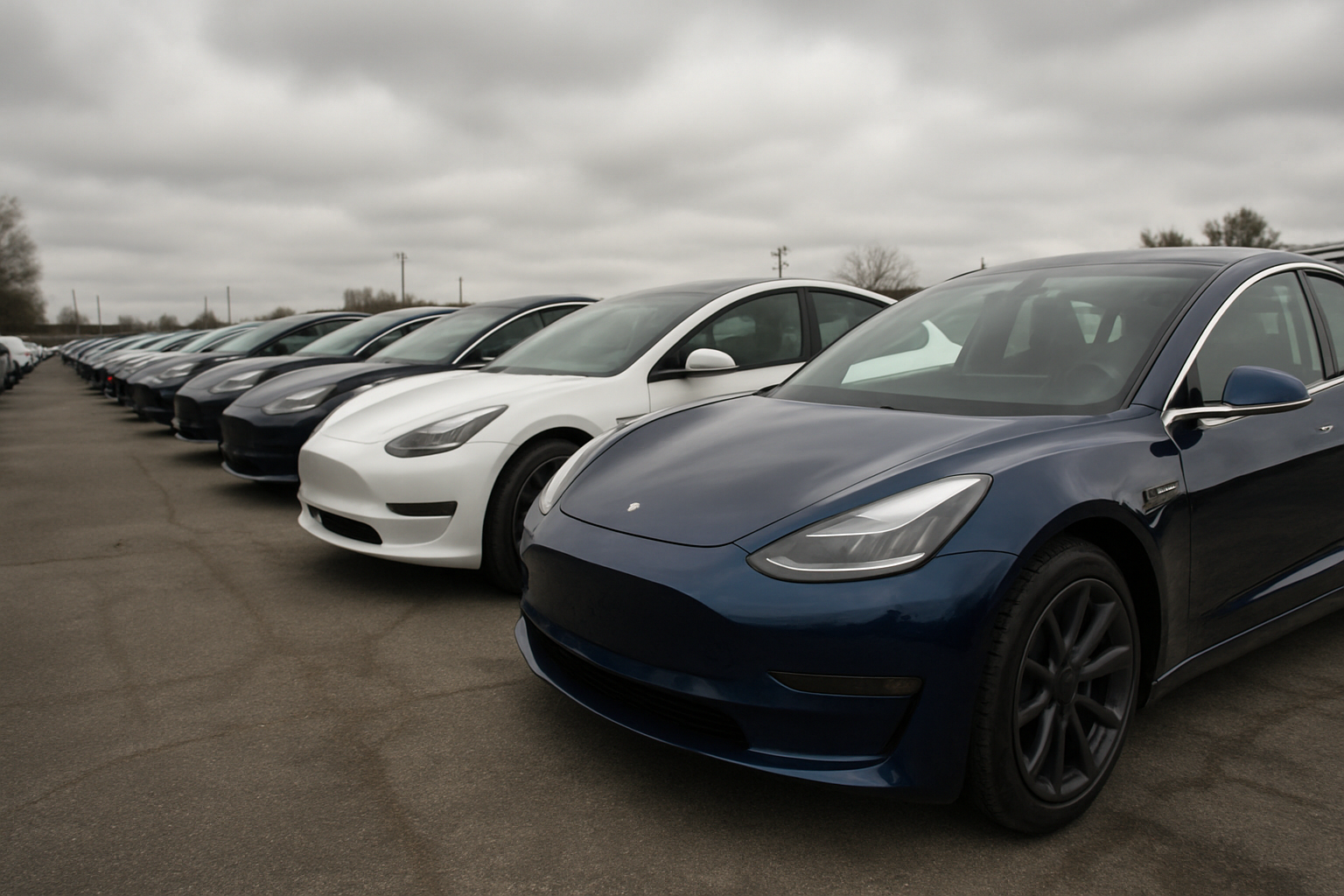
For Tesla shareholders, the more immediate question is whether a thaw in the Musk-Trump dynamic can help arrest the brand erosion that has been documented in consumer surveys across Europe and North America. Several European markets showed Tesla registrations declining by double-digit percentages in early 2025 compared with the prior year period, a trend that company executives have attributed to a combination of increased competition and, more guardedly, to the political controversy surrounding Musk himself. A visible reduction in hostilities with the most powerful political figure in the United States could, at minimum, remove one layer of noise from what remains a fundamentally contested investment story.