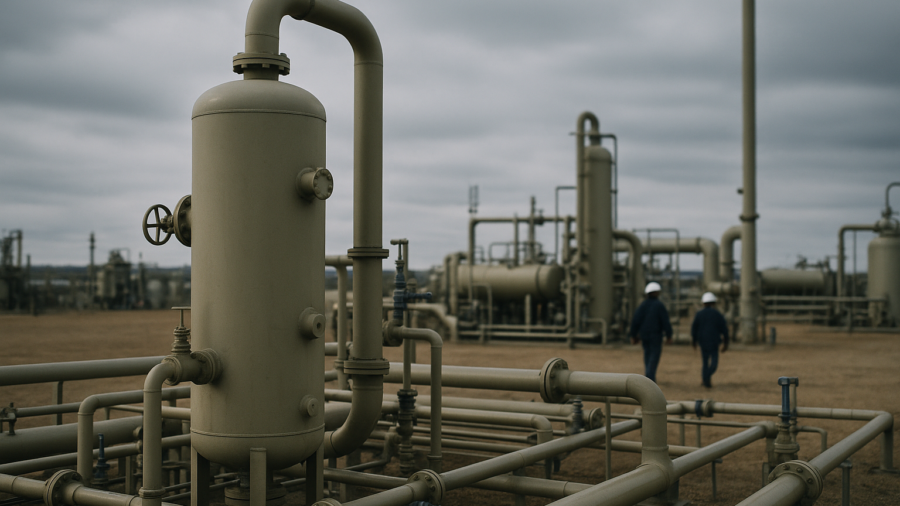
The global market for mobile compressor skids is on course to reach USD 4,861.0 million by 2036, according to new industry research that points to accelerating demand across upstream oil and gas operations. The findings, detailed in a compressor skids forecast published via PR Newswire, identify gas gathering infrastructure expansion, wellhead compression requirements, and the rapid adoption of rental-based fleet models as the primary forces reshaping the competitive landscape.
Mobile compressor skids — self-contained, trailer-mounted or skid-mounted compression units deployable directly at production sites — have become indispensable tools for operators managing variable reservoir pressures and shifting production profiles. Unlike permanent compression infrastructure, mobile units allow operators to respond rapidly to declining wellhead pressures without committing significant capital to fixed installations, a flexibility that is proving especially valuable in unconventional resource plays across North America.
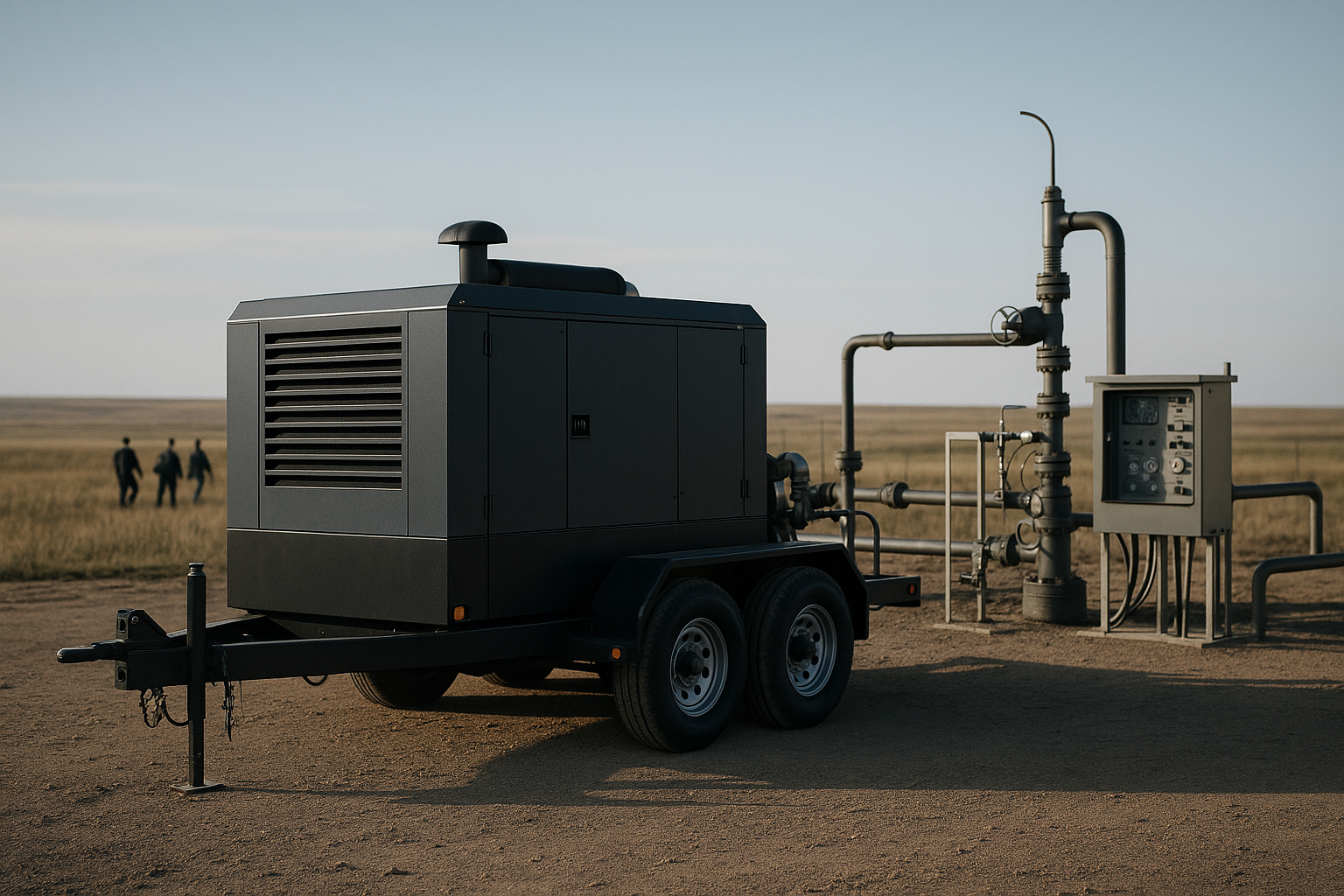
Gas Gathering and Wellhead Compression Underpin Long-Term Structural Growth
The expansion of midstream gas gathering networks is emerging as one of the most consistent demand drivers within the market. As natural gas production volumes rise in basins across the United States, Canada, and the Middle East, operators are under mounting pressure to move associated gas efficiently from the wellhead to processing facilities, a process that increasingly requires compression at multiple points along the gathering line. The research highlights that wellhead compression alone accounts for a substantial share of current deployment activity, particularly in mature basins where reservoir pressure has declined to levels that require mechanical boosting to sustain commercial flow rates.
Regulatory pressure to curtail gas flaring has added an additional layer of urgency. Operators who would previously have flared low-pressure associated gas at remote locations are now incentivised — and in many jurisdictions legally required — to capture and compress that gas for sale or processing. Mobile compressor skids offer a logistically practical solution in these circumstances, capable of being mobilised to remote pad sites within days rather than the months required to engineer and install permanent compression stations. This dynamic is particularly pronounced across shale-producing regions in Texas, Pennsylvania, and Alberta, where field conditions can shift rapidly and operational flexibility commands a premium.
Rental Fleet Adoption Signals a Structural Shift in Capital Allocation
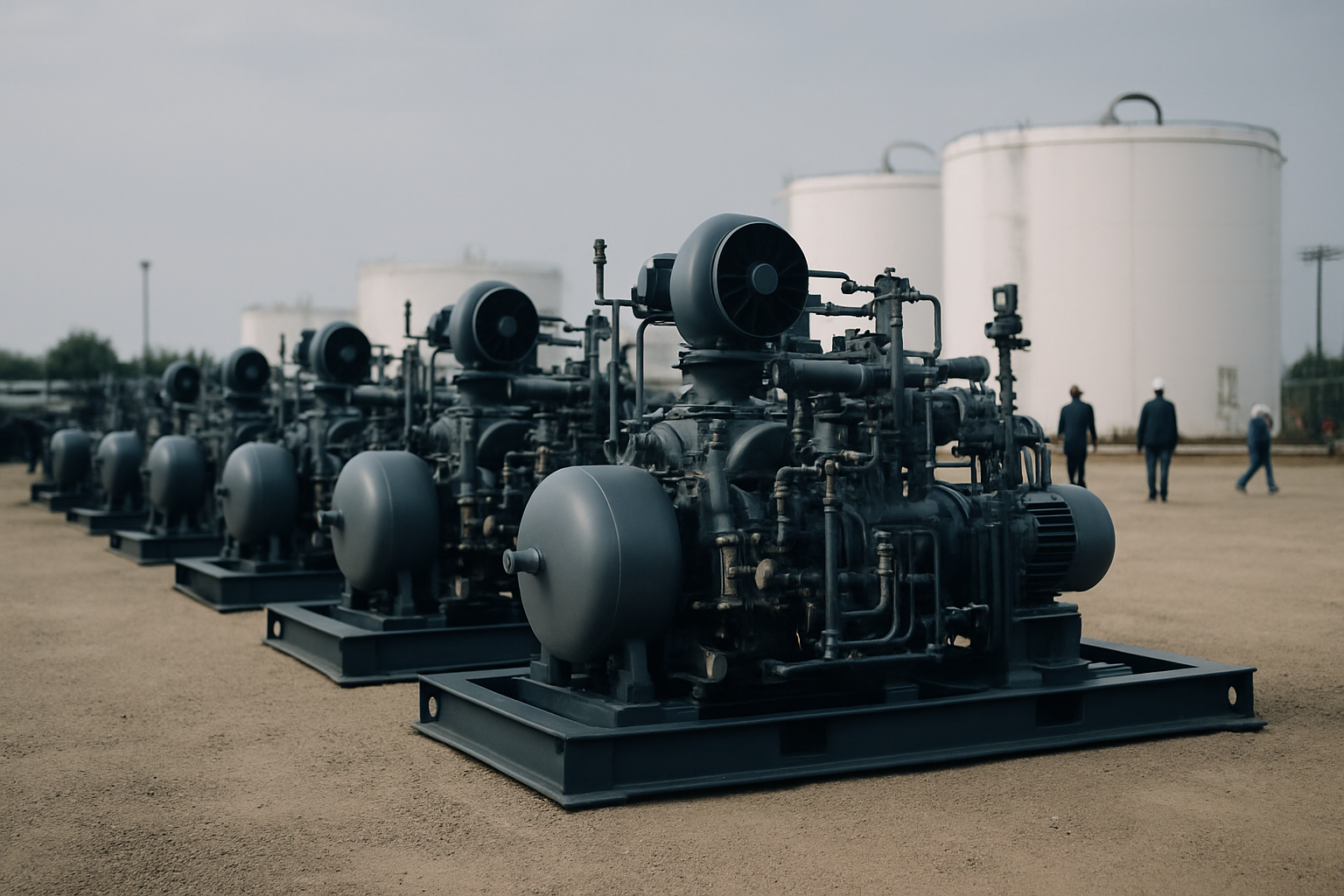
Perhaps the most significant structural development captured in the research is the accelerating shift toward rental and contract compression models. Rather than purchasing and maintaining their own compressor fleets, an increasing number of exploration and production companies are contracting with specialist providers who supply, operate, and maintain mobile compression equipment on a fee-for-service basis. This model transfers mechanical risk and capital expenditure obligations away from producers, freeing balance sheet capacity for drilling and completion activities while ensuring access to modern, well-maintained equipment.
The rental market is also benefiting from the broader financial discipline that has characterised upstream operators since the commodity price volatility of recent years. With many producers maintaining conservative capital budgets even during periods of elevated gas prices, the operational expenditure model of contract compression aligns more naturally with corporate treasury strategies than large equipment purchases. Industry analysts tracking broader energy capital trends note that this preference for flexible cost structures over fixed assets has become a defining characteristic of the post-pandemic upstream sector, a theme consistent with observations about monetary and investment conditions covered in our earlier analysis of Street investor caution.
Geographically, North America is expected to retain its position as the dominant regional market through the forecast period, underpinned by the sheer scale of unconventional gas production and the maturity of the contract compression service sector. However, the research identifies the Middle East and Asia-Pacific as high-growth regions, where upstream gas development programmes and investments in domestic gas distribution infrastructure are creating new demand pools for mobile compression technology. Manufacturers including major industrial equipment producers are responding by expanding their skid product lines and broadening rental fleet inventories to serve these emerging geographies. For investors monitoring industrial capital goods allocations and the intersection of energy infrastructure with equipment financing markets, the trajectory of equipment financing deals across adjacent sectors may offer useful comparative context as rental models continue to gain ground globally.