
L&T Realty, the property development arm of Indian engineering conglomerate Larsen and Toubro, has set an ambitious target to build a portfolio of 150 million square feet by 2031, according to a Livemint report published this week. The target represents a substantial scale-up from the company’s current footprint and positions L&T Realty as one of the more aggressive institutional developers in a market that is experiencing an accelerating appetite for premium residential real estate. The strategy underscores a broader inflection point in Indian property development, where family wealth and high-net-worth consumer demand are reshaping which segments attract the largest capital commitments.
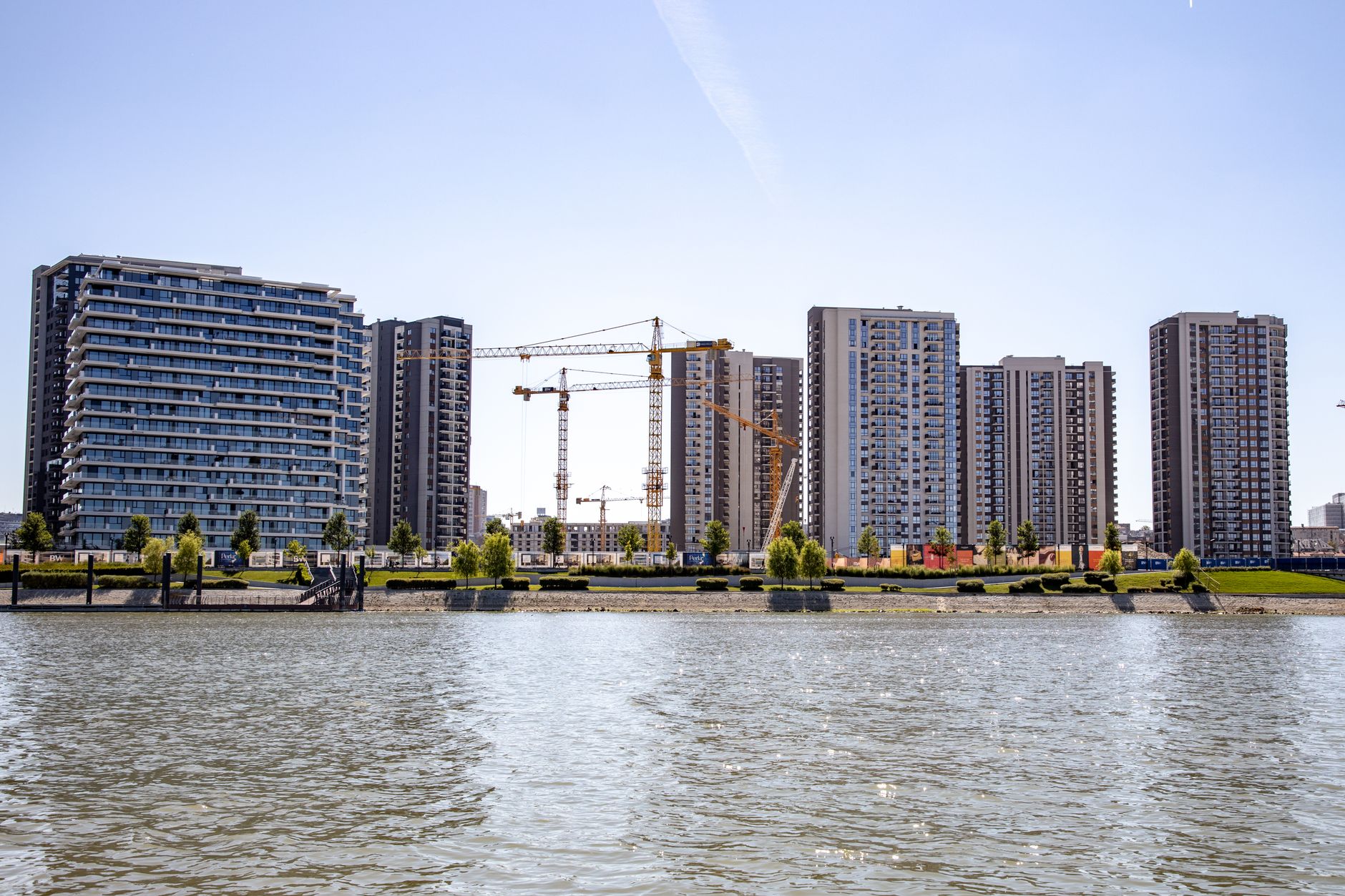
The company’s leadership has indicated that luxury and ultra-luxury housing will serve as the primary growth engine behind the 2031 ambition. L&T Realty has identified a structural shift in buyer preferences, with premium segments outperforming mid-market tiers in both volume absorption and realisation per square foot. Industry data suggest that luxury housing, broadly defined as units priced above 1.5 crore rupees, has grown its share of overall new launches in major Indian cities to nearly 30 percent over recent years, a figure that developers with balance-sheet strength are increasingly positioning themselves to capture.
Portfolio Strategy and Geographic Reach
L&T Realty’s pathway to 150 million square feet is expected to span residential, commercial, and mixed-use developments across India’s tier-one metropolitan markets. The company already holds a significant presence in Mumbai, Hyderabad, and Chennai, and its expansion roadmap is likely to deepen commitments to these cities while potentially adding new geographies where land acquisition economics remain viable. Mixed-use townships, which bundle residential towers with retail, office, and amenity components, are anticipated to account for a meaningful share of the incremental pipeline, allowing the developer to generate recurring income alongside transactional sales revenue.
The scale of the target also reflects L&T Realty’s intent to compete directly with the country’s largest listed developers, several of which have announced their own multi-year portfolio expansion plans. Achieving 150 million square feet over the next six to seven years would require a significant acceleration in project launches and land acquisitions relative to the pace maintained in the prior decade. Analysts tracking the sector note that execution risk is non-trivial, particularly given regulatory approval timelines and the capital intensity of luxury development, where construction cost per square foot can run 40 to 60 percent higher than mass-market equivalents.
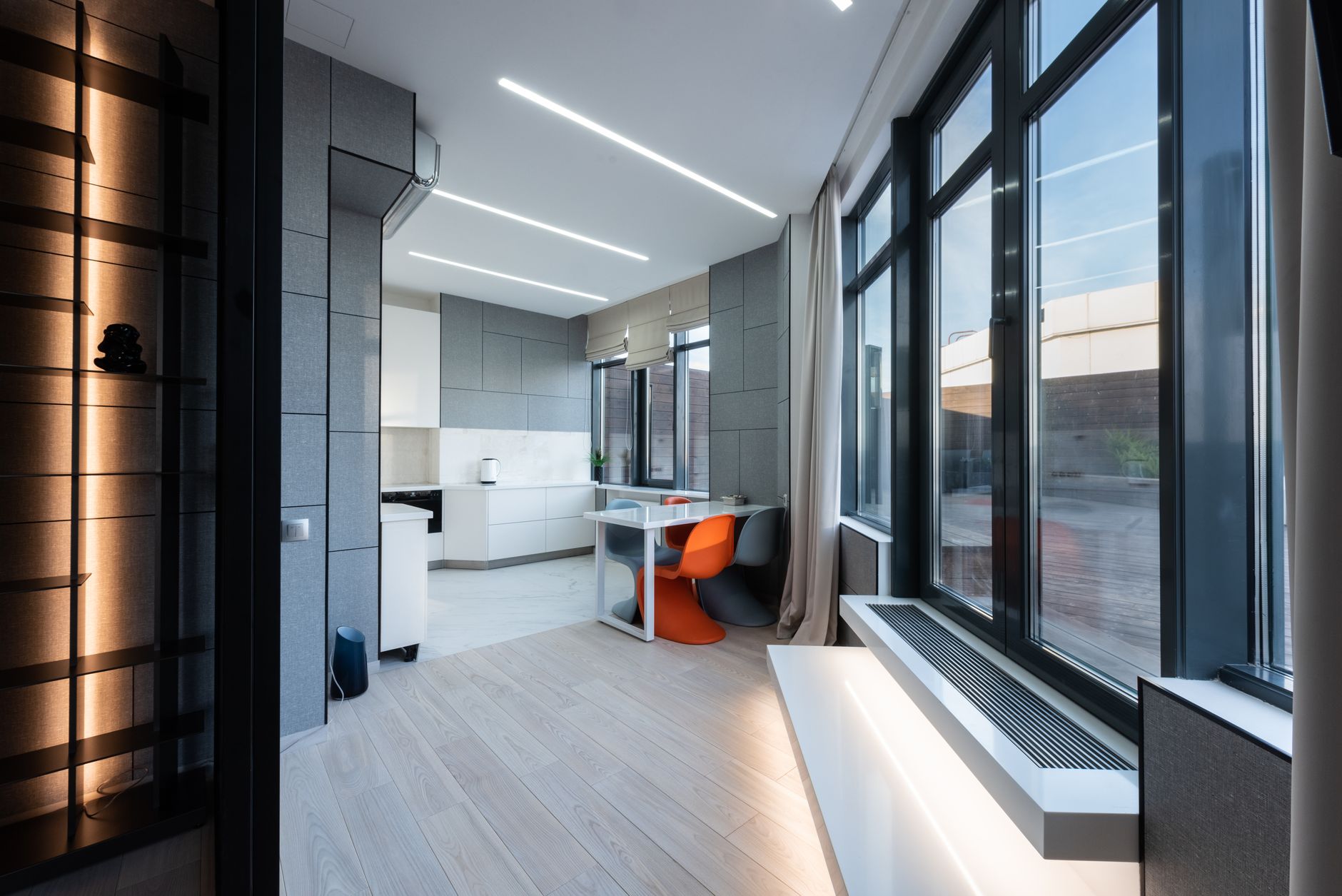
Market Conditions and Investment Outlook
The timing of L&T Realty’s announcement is notable. India’s residential property market has sustained a recovery cycle since 2022, fuelled by post-pandemic demand, rising household incomes in urban centres, and a period of relatively stable mortgage rates. While borrowing costs have edged higher in some segments, demand at the luxury end has proven comparatively rate-insensitive, with buyers in the premium category more likely to transact in cash or deploy wealth generated from equity markets and entrepreneurial exits. This dynamic has encouraged developers with strong parent-company balance sheets, such as L&T Realty, to lean into high-value segments rather than compete on volume in the mid-income tier.
The broader context of infrastructure investment and urban development in India also supports the long-term thesis. Metro rail expansions, new expressway corridors, and satellite township development around major cities are opening land parcels that were previously considered too peripheral for premium residential use. L&T Realty, with access to the engineering and project management capabilities of its parent group, is structurally advantaged in developing large-format integrated townships that require complex infrastructure delivery. Whether the company can convert that structural advantage into executed square footage at the pace its 2031 target demands will be the central question investors and industry observers track over the coming years. The ambition is clearly stated; the execution roadmap will now draw close scrutiny from peers, landowners, and capital partners alike.