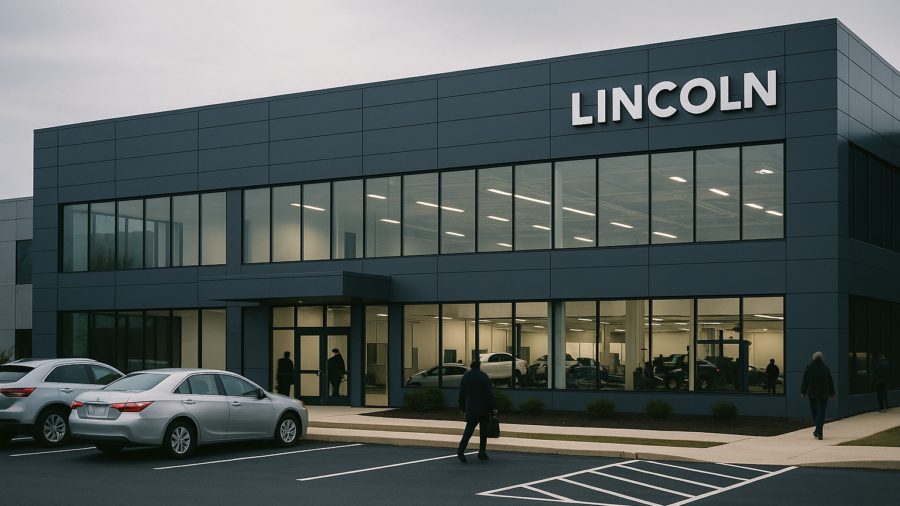
Lincoln Educational Services Corporation, one of the United States’ largest providers of career-focused technical education, has announced the opening of a new campus in Suitland, Maryland, according to a GlobeNewswire release published on July 8, 2026. The move marks a deliberate push by the New Jersey-based company into the greater Washington, D.C. metropolitan corridor, a region with dense federal employment, robust demand for skilled trades, and a large population of working-age adults seeking vocational retraining.
The Suitland facility will offer programs aligned with Lincoln’s established curriculum in areas such as automotive technology, healthcare support, and skilled trades — sectors where labour shortages have intensified since the pandemic era. The company framed the expansion as a response to growing regional demand for hands-on, employment-ready graduates, noting that the Washington suburbs represent an underserved market for accredited technical training at the community college and proprietary school level.
Strategic Rationale and Regional Market Dynamics
Suitland sits in Prince George’s County, one of Maryland’s most populous jurisdictions and home to a significant concentration of federal agencies, including the National Oceanic and Atmospheric Administration. The county’s median household income and relatively high proportion of residents without four-year college degrees make it a strategically logical site for a career-focused institution. Enrollment at for-profit vocational schools nationally has shown renewed momentum following a period of regulatory pressure and reputational headwinds in the mid-2010s, as employers in transportation, healthcare, and construction have escalated recruitment efforts for credentialed technicians.
Lincoln Educational has been executing a measured geographic diversification strategy, having previously concentrated much of its campus network in the Northeast and Mid-Atlantic states. The Suitland opening adds to a portfolio that spans roughly 22 campuses across multiple states. Company leadership has pointed to strong employer partnership pipelines as a core differentiator, arguing that placement rates — a critical metric for both student outcomes and federal Title IV funding eligibility — remain central to the institution’s operating model. For-profit education companies depend heavily on federal student aid, which can represent upward of 70 to 80 percent of revenues industry-wide, making accreditation standing and placement outcomes existential business variables.

Financial Implications and Competitive Context
Lincoln Educational trades on the Nasdaq under the ticker LINC and has seen its share price reflect the broader recalibration occurring across the for-profit education sector. The company reported net revenues of approximately 393 million dollars in its most recent full fiscal year, with management citing occupational program enrollment growth as a primary driver. New campus openings carry meaningful upfront capital expenditure and a ramp-up period of typically 12 to 24 months before a location approaches breakeven enrollment thresholds, which investors and analysts monitor closely for signs of execution risk.
The competitive landscape in Maryland includes community colleges such as Prince George’s Community College, as well as regional proprietary schools, but Lincoln’s national brand recognition and structured employer partnership model offer a differentiated value proposition for students seeking direct pathways into specific trades. The company’s expansion also arrives at a moment when workforce development has become a legislative priority at both state and federal levels, with Maryland allocating incremental funding toward technical education pipelines. For operators like Lincoln, alignment with public workforce initiatives can ease campus launch economics and support student recruitment.
For investors tracking corporate expansion strategies in the education and workforce services space, the Suitland campus represents a modest but telling signal of Lincoln’s longer-term growth ambitions. Companies pursuing executive hires growth and physical footprint expansions simultaneously tend to telegraph confidence in near-term demand visibility. Separately, analysts tracking cost-of-living pressures on prospective students may find relevant context in recent coverage of healthcare rent inflation fears among U.S. households, a dynamic that can both motivate vocational retraining and strain students’ ability to finance it.