
Lifetime Brands, Inc., the New York-based housewares and kitchenware company, reported its second-quarter 2026 financial results this week, revealing a business navigating persistent cost pressures tied to global trade policy while attempting to sustain demand across its broad portfolio of consumer brands. The earnings call, summarized by Yahoo Finance, underscored the challenges facing mid-cap consumer goods companies as tariff exposure continues to complicate supply chain economics. For context on how other companies have managed similar pressures this earnings season, see The Fiscalist’s coverage of Carriage Services guidance following its own mixed quarter.
The company, whose brand stable includes KitchenAid-licensed products, Farberware, and Taylor precision instruments, has historically relied on overseas manufacturing — particularly in Asia — leaving it exposed to import tariff regimes that have shifted materially over the past two years. Management acknowledged during the call that this exposure remains a central operational concern heading into the second half of 2026.

Revenue Trends and Gross Margin Compression
Net revenue for the second quarter came in modestly below analyst consensus expectations, reflecting softer consumer spending on discretionary home goods. While the company did not dramatically revise its full-year outlook, executives indicated that gross margins faced meaningful compression during the quarter, driven by elevated input costs and the pass-through effects of tariffs on finished goods sourced from international manufacturing partners. Management noted that price increases implemented earlier in the year partially offset these pressures but were insufficient to fully neutralize the impact.
The U.S. segment, which accounts for the majority of Lifetime Brands’ revenue, saw modest volume declines in certain core categories, particularly in entry-level cookware and bakeware, where consumers have shown greater price sensitivity. The international segment offered a slightly more constructive picture, with overseas retail partners maintaining more stable order patterns relative to the prior-year period. Executives emphasized that the company’s diversified brand architecture provides some resilience, as premium product lines continued to outperform the broader portfolio on a relative basis.
Tariff Mitigation and Strategic Response
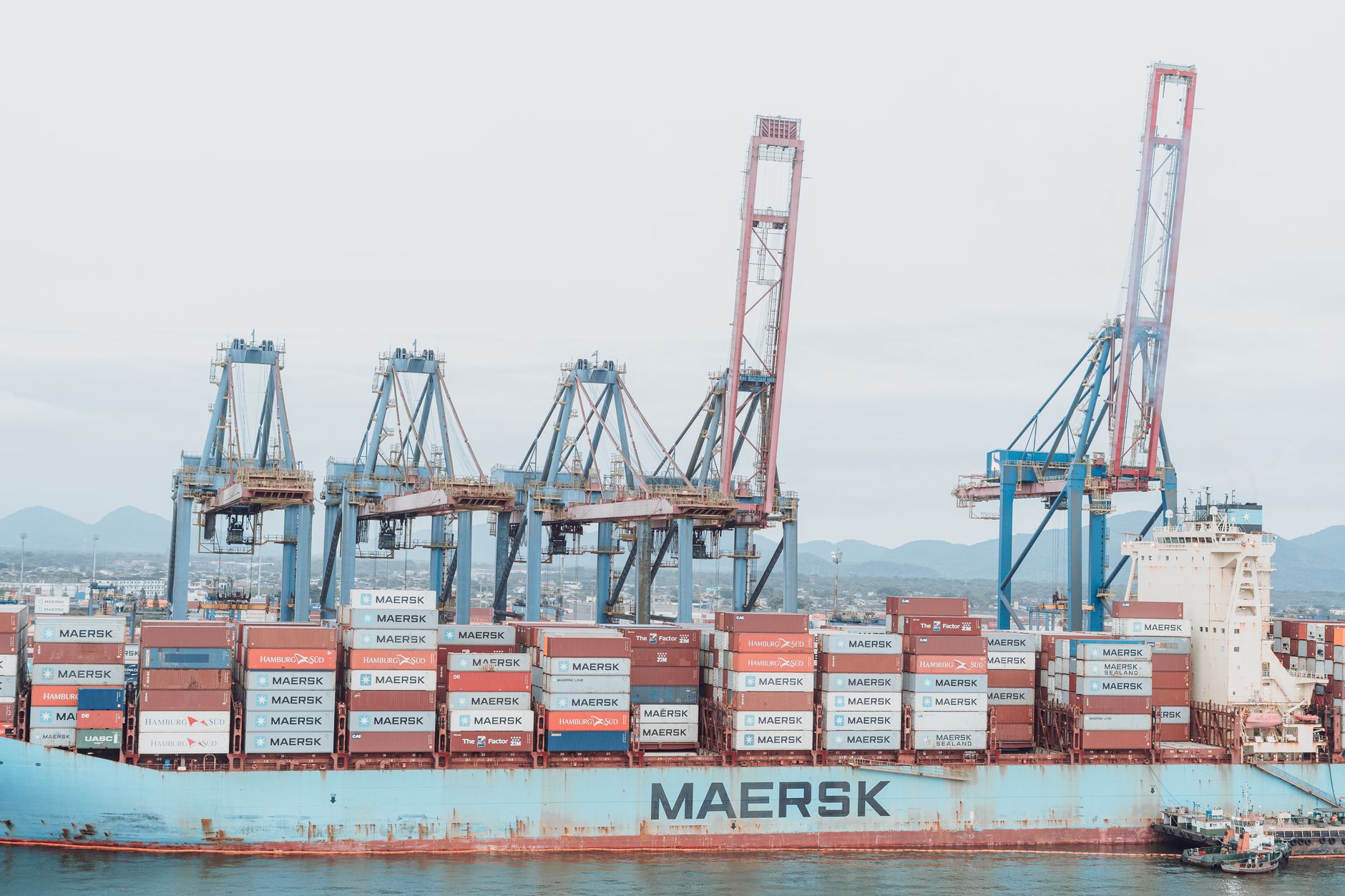
A significant portion of the earnings call was devoted to Lifetime Brands’ strategy for managing ongoing tariff exposure. Management outlined a multi-pronged approach that includes accelerating the diversification of its supplier base away from China toward other lower-cost manufacturing regions, renegotiating vendor contracts, and selectively raising retail prices where market conditions allow. Executives expressed measured confidence that these initiatives would progressively reduce the company’s tariff liability over the next several quarters, though cautioned that the transition would not be immediate.
The company also flagged ongoing investments in its digital and direct-to-consumer channels as a longer-term margin improvement lever, noting that e-commerce now represents a growing share of total revenue. Operating expenses were actively managed during the quarter, with the company implementing targeted cost controls across logistics and overhead. Selling, general, and administrative expenses declined slightly as a percentage of revenue compared to the same period last year, a development management described as a deliberate efficiency effort rather than a structural reduction in commercial investment. This kind of disciplined cost management echoes trends observed across other consumer-facing businesses reporting this quarter, including the Nutex Health recovery, where operational discipline contributed to a return to profitability.
Guidance and Market Outlook
For the full fiscal year 2026, Lifetime Brands maintained a cautious stance on guidance, refraining from materially upgrading its outlook despite some stabilization in order trends late in the quarter. Management cited macroeconomic uncertainty, the evolving tariff environment, and subdued consumer confidence as factors warranting a conservative posture. The company indicated it would continue to monitor retail sell-through data closely and stood prepared to adjust its inventory positioning if demand signals deteriorated further.
Analysts on the call pressed management on the timeline for gross margin recovery, with executives suggesting that meaningful improvement was more likely to materialize in 2027 as supply chain realignment efforts mature and tariff-related costs potentially stabilize. Lifetime Brands’ shares have underperformed the broader consumer discretionary sector year-to-date, reflecting investor caution about the company’s near-term earnings trajectory. The results serve as a reminder that even established consumer brands with diversified product portfolios are not immune to the ripple effects of trade policy uncertainty on profitability and strategic planning.