
Fresh Israeli military strikes across southern Lebanon have killed at least eleven people, according to reporting by Business Standard, which cited the story under the headline Israel strikes Lebanon again, 11 dead; Iran still defiant on Hormuz control. The violence represents a renewed escalation in a conflict that has already displaced hundreds of thousands of Lebanese civilians and drawn sustained international concern over the stability of one of the world’s most geopolitically sensitive regions. With Tehran simultaneously reasserting its claimed authority over the Strait of Hormuz, energy traders and sovereign risk analysts are confronting the prospect of a protracted, multi-front crisis stretching from the Levant to the Persian Gulf. The question of Hormuz territorial control has loomed over Washington’s strategic calculus for months, and Sunday’s developments suggest no resolution is imminent.
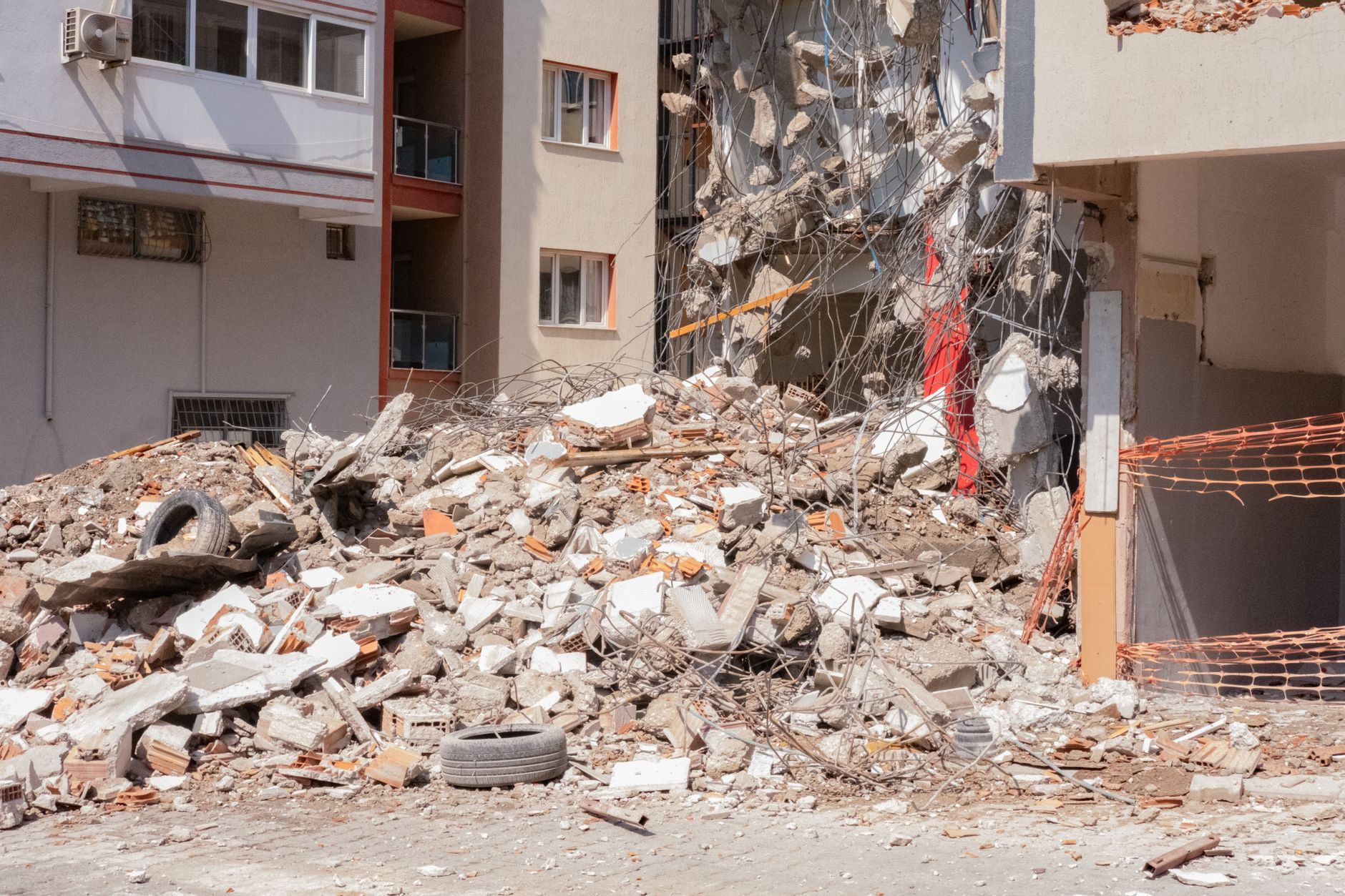
The strikes targeted sites in the Bekaa Valley and the southern suburbs of Beirut, according to Lebanese emergency services quoted in regional media. The eleven confirmed fatalities include both civilian and militant casualties, though precise breakdowns remained contested as of Sunday evening. Israel’s military said the operations were directed at weapons depots and command infrastructure linked to Hezbollah, the Iran-backed armed group that has continued to exchange fire across the Lebanese-Israeli border. The humanitarian toll has been mounting steadily; a recent NPR report Lebanon documented displaced Lebanese families returning to find entire neighborhoods reduced to rubble, underscoring the scale of destruction that official casualty figures alone cannot capture.
Iran Holds Firm on Hormuz as Energy Markets Brace
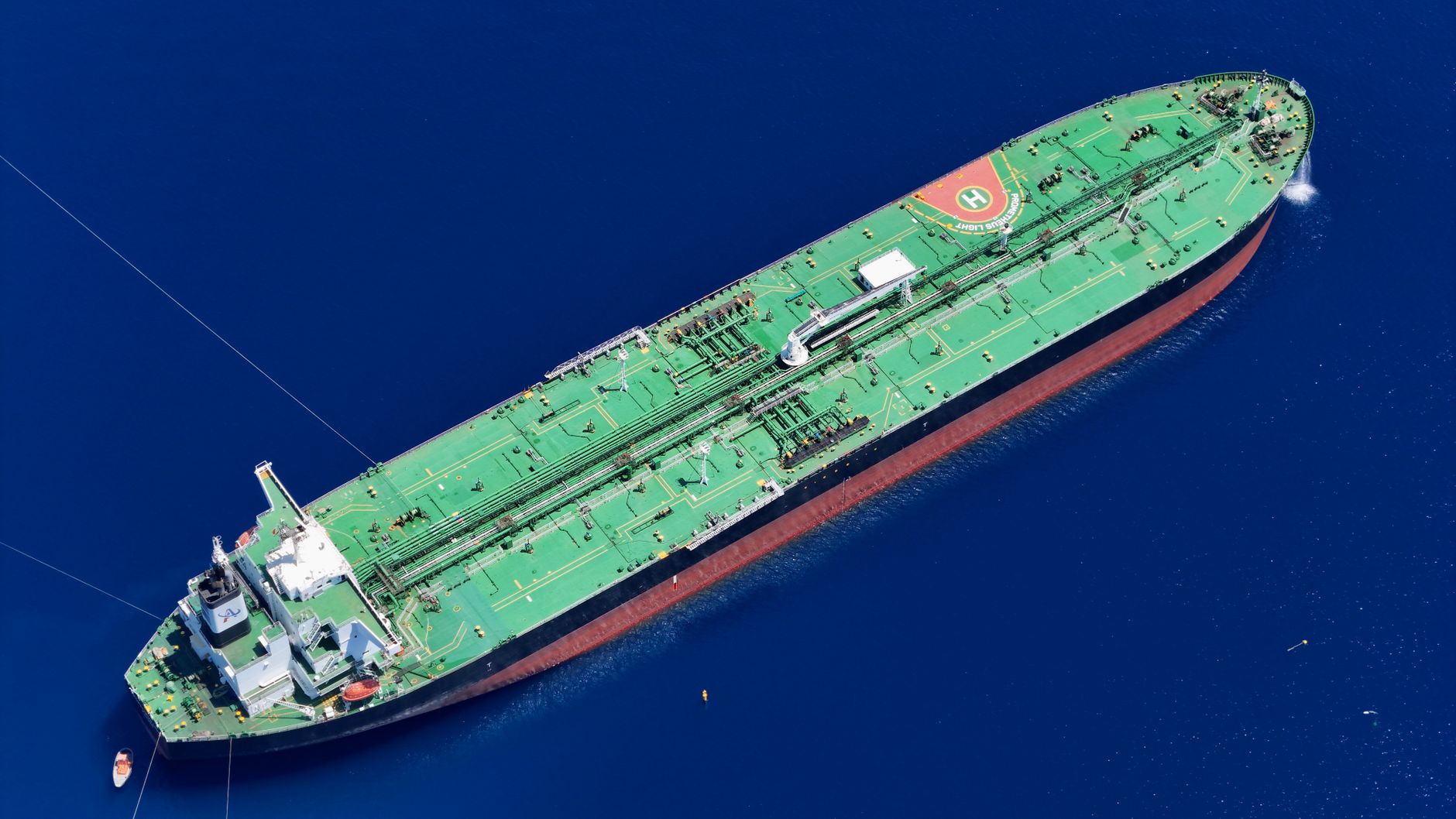
Parallel to the ground situation in Lebanon, senior Iranian officials on Sunday reiterated that the Islamic Republic maintains sovereign operational authority over the Strait of Hormuz and will exercise that authority in response to what Tehran characterised as continued Western and Israeli aggression. The strait is the world’s single most critical oil chokepoint, with approximately 20 percent of global petroleum supply — roughly 17 million barrels per day — transiting its narrow passage. Any credible disruption to Hormuz transit would send immediate shockwaves through crude benchmarks and liquefied natural gas spot markets, analysts at several European banks warned in notes circulated over the weekend.
Iran’s posture on Hormuz is not new, but the timing matters. With Israeli strikes active in Lebanon and the broader US-Iran confrontation still unresolved, the compounding of risk factors has raised the probability of a market-disruptive incident. Regional stress has also extended further into the Arabian Peninsula, where escalating Houthi activity has drawn in additional parties. According to Al Jazeera’s coverage of Houthi strikes on Saudi oil facilities, a new operational front in the broader US-Iran conflict has materially increased the threat surface for Gulf energy infrastructure. Brent crude has remained elevated above recent trend levels, with risk premiums built in to reflect the possibility of sudden supply interruption.
Economic Fallout and the Widening Regional Calculus
For Israel, the continuation of military operations carries a significant domestic economic cost that policymakers are increasingly unable to ignore. Defence expenditure has expanded sharply since hostilities resumed at scale, with the Israeli government’s budget deficit widening as emergency military allocations crowd out civilian spending. Israel’s inflation trajectory had shown encouraging signs of moderation in recent months, offering the Bank of Israel potential room to manoeuvre on rates — but sustained conflict risk complicates the outlook for monetary easing and investor confidence simultaneously.
Foreign direct investment into Israel has slowed considerably over the past year, with several multinational corporations deferring expansion decisions pending greater geopolitical clarity. Credit rating agencies have flagged the conflict as a downside risk to sovereign fiscal projections, and the shekel has experienced periodic bouts of volatility tied directly to escalation events. For Lebanon, the economic calculus is far grimmer. The country entered the current period of hostilities already in the grip of a sovereign debt crisis and a currency collapse that had wiped out the savings of a broad swath of the middle class. Each new round of Israeli strikes compounds reconstruction costs that international financial institutions estimate could run into the tens of billions of dollars, with no credible financing mechanism currently in place.
The convergence of active conflict in Lebanon, Iranian intransigence over Hormuz, and Houthi pressure on Saudi infrastructure presents global energy markets and risk desks with a scenario that is difficult to model with precision. Diplomatic back-channels reported to be active in Doha and Muscat have yet to produce any publicly confirmed framework for de-escalation. Until those efforts yield tangible results, traders and policymakers alike will be operating in an environment where a single miscalculation along any one of several flashpoints could trigger consequences well beyond the immediate theatre of operations.