Greece and Israel have finalized a €3 billion air defense procurement agreement, marking the largest defense trade transaction in the history of bilateral relations between the two countries. The deal, which centers on advanced Israeli-made air defense systems, represents a significant commercial milestone for Israel’s defense export industry and underscores growing European demand for sophisticated aerial protection capabilities. As reported by Calcalist Tech, the agreement is the product of extended negotiations and positions Israel as a principal supplier in Greece’s broader military modernization effort.
The scale of the contract places it among the most substantial defense procurement agreements concluded by a European Union member state with Israel. It also arrives at a moment when European governments are accelerating defense spending across the board, driven by heightened security concerns on the continent’s eastern and southern flanks. Greece, which maintains one of the highest defense expenditure rates relative to GDP among NATO members — consistently above 2.5 percent in recent years — has made air defense modernization a strategic priority. This agreement reflects that orientation, and broader Israeli defense export momentum aligns with trends covered in coverage of Israeli technology investment in high-value sectors.
Israeli Defense Industry Secures a Landmark European Contract
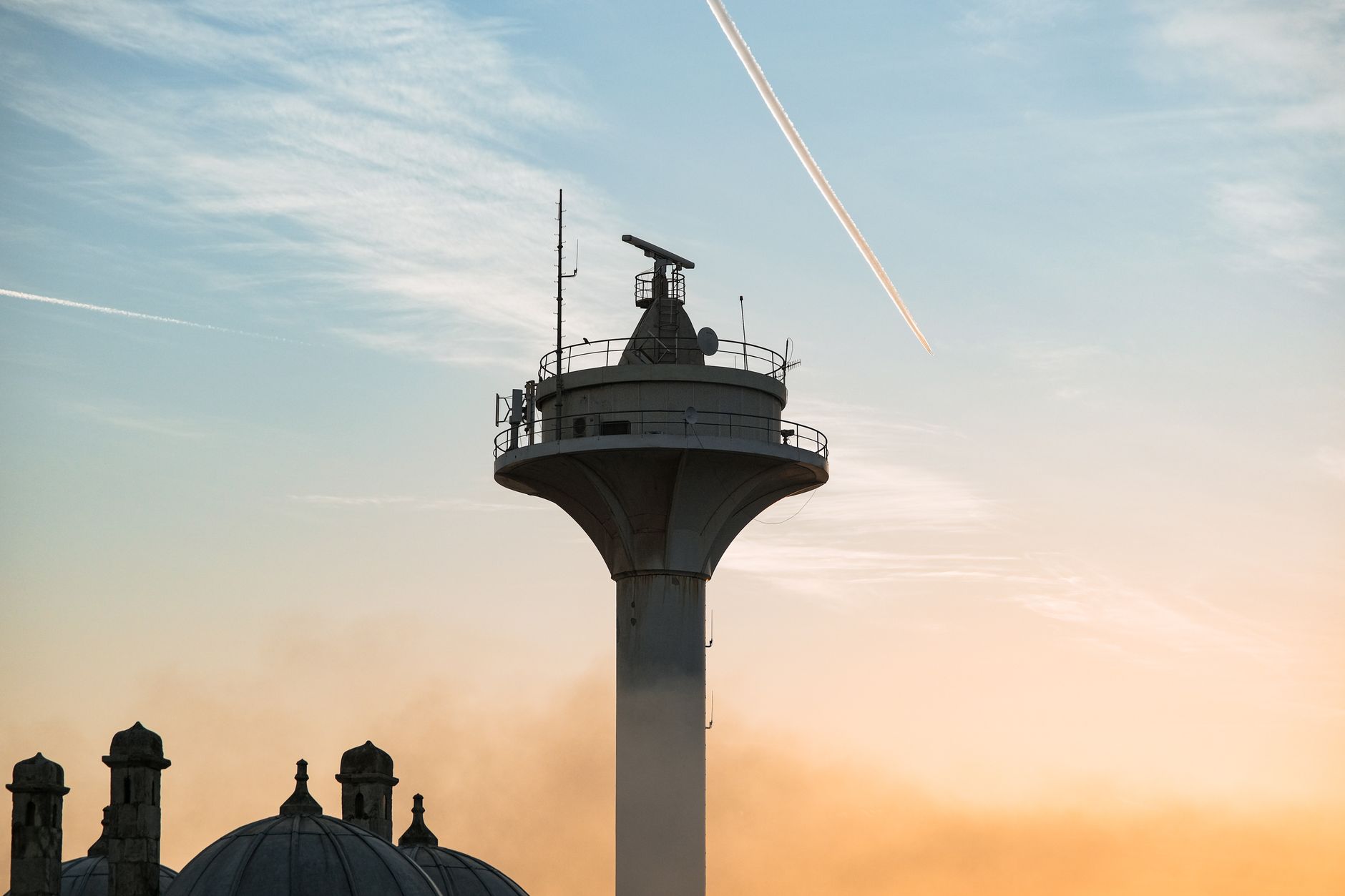
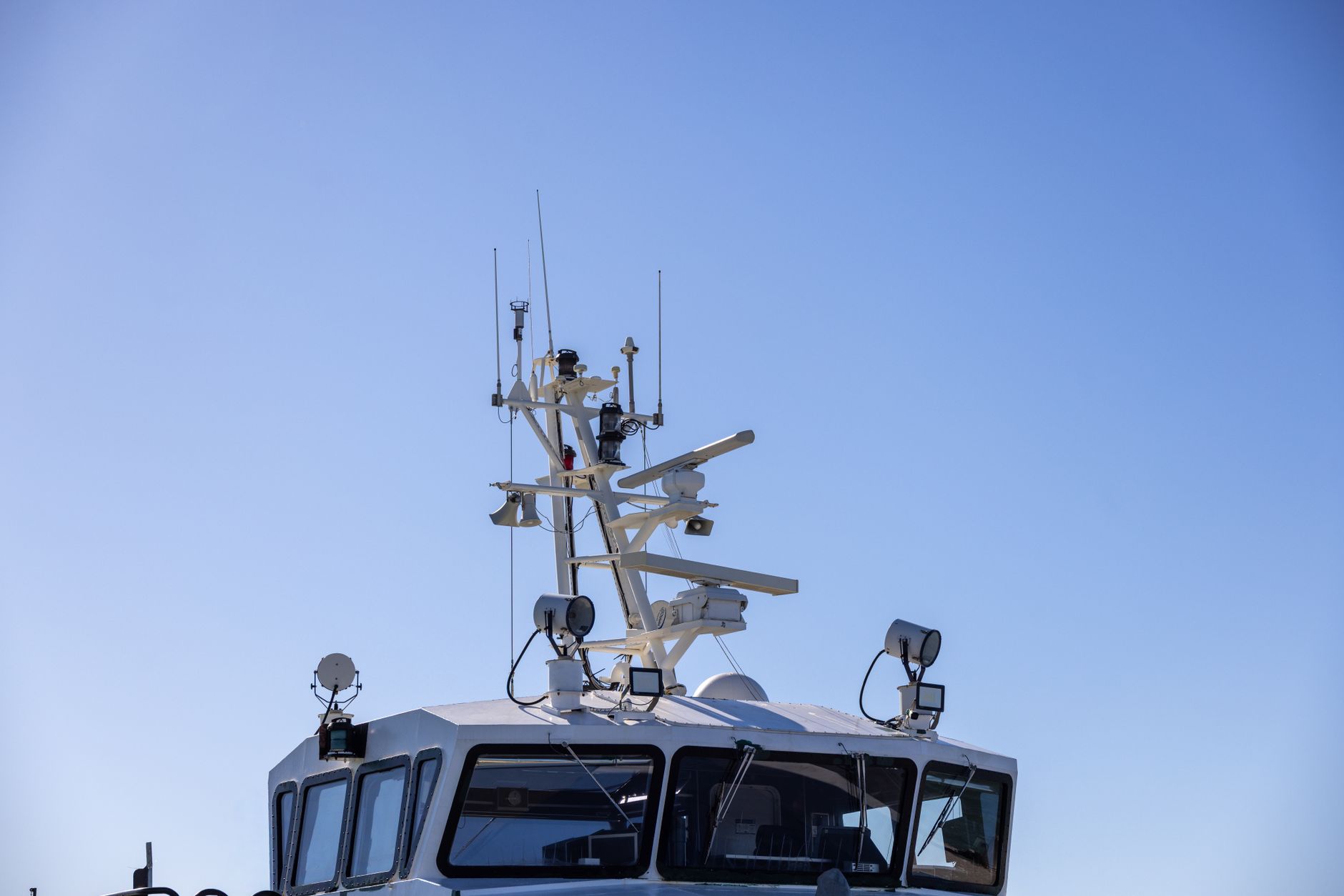
The systems at the center of the agreement are understood to include radar and interception platforms developed by Israeli defense contractors with established records in operational deployment. Israel’s defense export sector has grown substantially over the past decade, with the country ranking among the world’s top ten arms exporters. Annual defense exports have in recent years exceeded $12 billion, and a single contract of this magnitude would represent a meaningful contribution to that figure. Greece’s decision to commit at this scale reflects confidence in the technical performance of Israeli platforms, several of which have been tested in active conflict environments — a credibility factor that European procurement officials increasingly weigh in tender evaluations.
Israeli defense firms have cultivated strong ties with Greece over the past two decades, with earlier, smaller-scale agreements covering unmanned aerial vehicles, naval electronics, and training systems. The new €3 billion agreement consolidates and dramatically expands that relationship. For Israel’s defense manufacturing base, which includes publicly listed companies as well as state-linked entities, a contract of this size provides multi-year revenue visibility and is likely to support sustained production capacity and employment in the sector.
Strategic Context and European Defense Procurement Trends
The agreement fits within a broader reconfiguration of European defense procurement that has gathered pace since 2022. EU member states have collectively committed to increasing military expenditure, and air defense has emerged as one of the most competitive segments of that spending wave. Greece sits at a geographically sensitive intersection of Mediterranean and Aegean security dynamics, and its government has consistently argued for robust aerial deterrence. The decision to source from Israel rather than from competing American or European suppliers signals a preference for proven, operationally validated technology at competitive cost points.
For Israel, securing a €3 billion contract with an EU and NATO member carries strategic significance beyond the commercial figures. It deepens defense-industrial ties with a country that has historically been among Israel’s closest partners in Europe, and it provides a reference customer that can influence procurement decisions elsewhere on the continent. Defense analysts note that European governments increasingly reference one another’s procurement choices when evaluating unfamiliar suppliers, meaning Greece’s commitment could carry downstream commercial value across the region.
The financing structure and delivery timeline for the agreement have not been publicly disclosed in full detail. Contracts of this complexity typically involve phased delivery schedules spanning five to ten years, with milestone-based payment arrangements. Both governments are expected to provide further technical specifications in due course. The deal adds to a pipeline of large-scale defense agreements involving Israeli suppliers at a time when the global market for air defense technology is experiencing some of its strongest demand in decades, a dynamic shaped by regional conflicts and the broader reassessment of deterrence architecture among Western-aligned governments. Separately, European economic pressures tied to regional conflict sanctions continue to shape the security calculus across the Mediterranean.