With US midterm elections weeks away, Iranian officials are waging an information campaign aimed squarely at the American public, amplifying the economic toll of the war that the United States and Israel launched against the country on February 28. The strategy is documented in reporting by Al Jazeera.
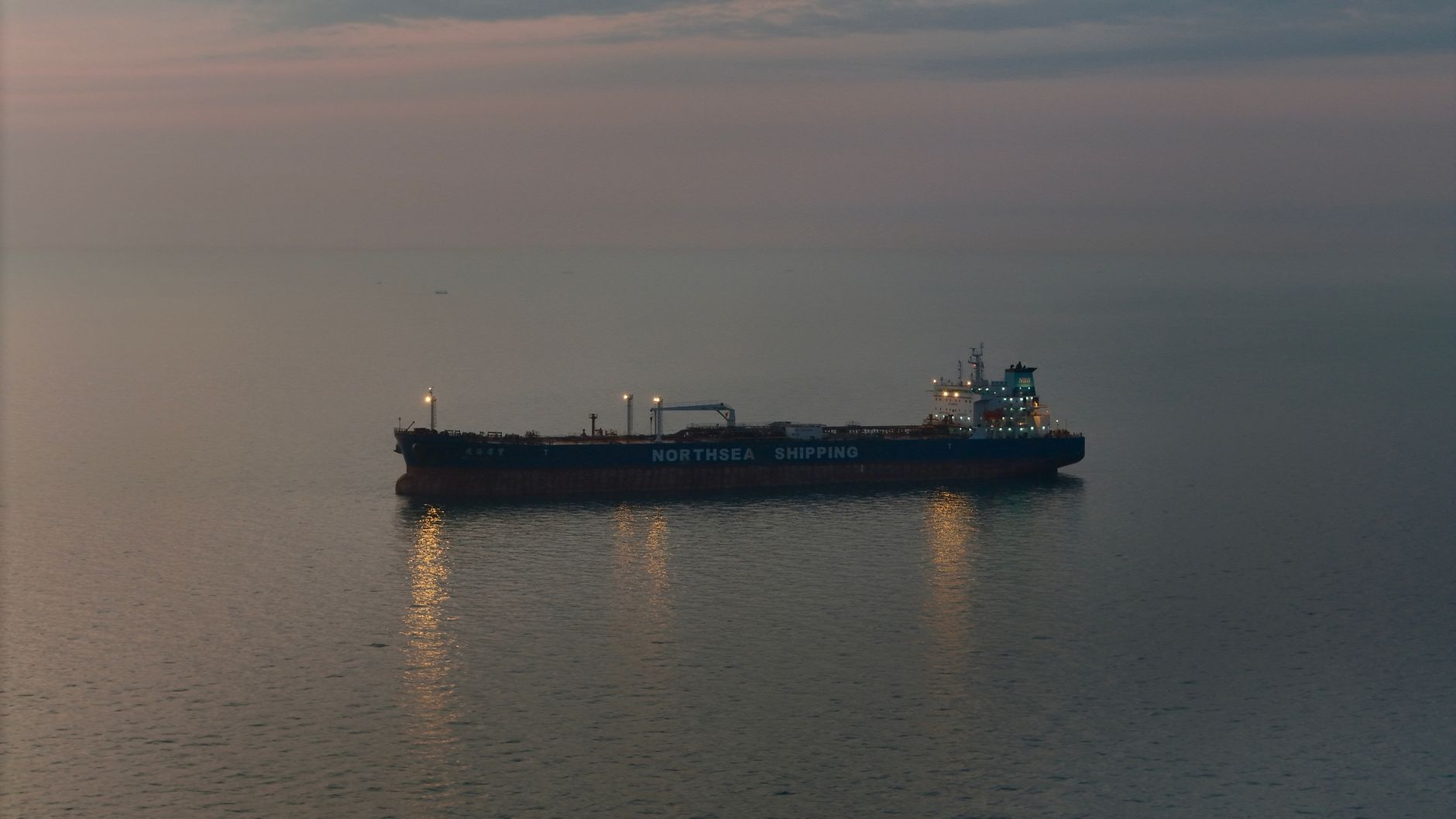
Iran’s disruption of shipping in the Strait of Hormuz since the war began has sent energy prices sharply higher. Diesel in the United States has reached an all-time record of $6.33 per gallon, according to the American Automobile Association, while gasoline stands at $4.33 — up from less than $3 before the conflict. Those price rises have fed into broader inflation, which climbed to 3.7 percent last month, prompting the US Federal Reserve to raise interest rates at a time when President Trump has been calling for cuts. The widening Hormuz oil threat has intensified after Iran stepped up attacks on vessels around the strait in recent days, following repeated assertions by Trump and his aides that the waterway is under US control.
Ghalibaf Targets Bessent Directly
On Wednesday, he shared a news item on the 3.7 percent inflation figure alongside a collage of negative US economic headlines. The post also featured a comic strip from the Road Runner cartoon showing Wile E Coyote building a catapult that misfires and launches a boulder at him. Writing directly to US Treasury Secretary Scott Bessent — who has led the sanctions campaign against Iran — Ghalibaf said: “Let’s ‘play the percentages’. Not in odds, but in the % increases.” The remark referenced Bessent’s comment last month that he represents “the house,” likening the economy to a casino. Days earlier, Ghalibaf had shared an image of a ghost shaped like a bell curve illustrating rising diesel prices alongside falling housing affordability and consumer confidence.
The IRGC said countries are offloading US bonds and warned that “the dam will break, and the economy will implode.”

Midterms as a Pressure Point, Not a Pivot
“It’s not necessarily that they’re trying to get Democrats in power or manipulate US politics in a certain direction, other than just overall increasing the costs on this issue of the Iran war, and just playing that game of information warfare and getting out their own narrative and propaganda as well,” Toossi said.
Trump’s Republican Party is seeking to retain control of both the Senate and the House of Representatives on November 3. The Democratic Party, which largely opposes the war, is mounting a strong challenge across the congressional map, including in areas that have been conservative strongholds for decades such as Texas. If Democrats gain a congressional majority, they could push to curb Trump’s war powers, including by withholding military funding. Trump, speaking at the United Nations General Assembly last month, dismissed the relevance of the vote to his Iran policy. “I gave absolutely no credence and will not give credence to the election. When it comes to Iran, it doesn’t even enter my mind. The only thing that does is that Iran will never have a nuclear weapon,” he said.
Toossi noted there is debate within Iran over what a Democratic victory would actually mean, with some pointing to foreign policy hawks within the party to argue little would change. He said Iran does not appear to be hedging either way. “I don’t think it necessarily affects their overall strategy of increasing the costs [of war] regardless of whatever happens in November,” he told Al Jazeera.