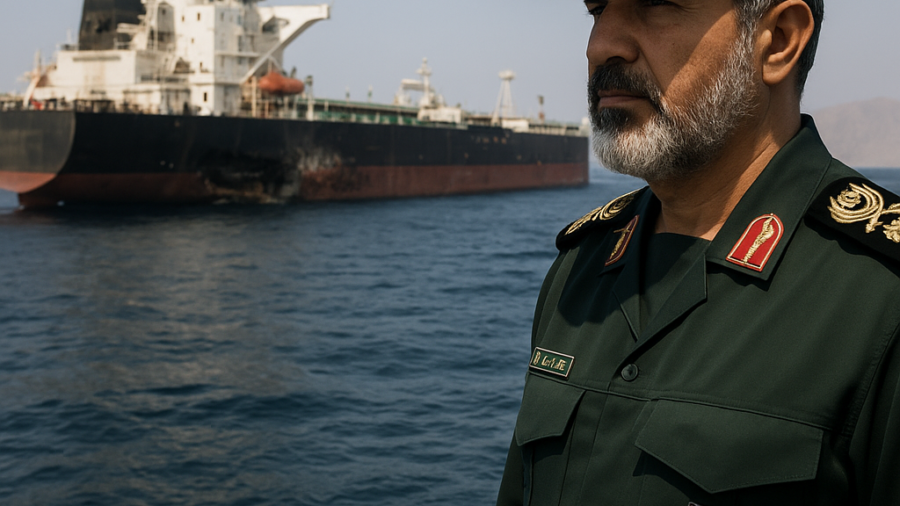
Iran has reasserted its claimed authority over commercial shipping through the Strait of Hormuz following an attack on a vessel near Oman, escalating tensions in one of the world’s most strategically vital waterways and stoking fresh anxiety across global energy markets. Tehran’s position risks deepening a standoff with Western naval powers and complicating the movement of roughly 20 percent of the world’s daily oil supply that transits the narrow passage each year.
The Economic Times reported in an article titled “Iran defends control over shipping in Strait of Hormuz amid rising tensions following attack on vessel” that Iranian officials moved quickly to frame their oversight of the strait as a sovereign right, insisting that all commercial traffic must operate under conditions Tehran deems acceptable. The remarks came after a commercial ship was struck in waters near Oman in circumstances that have not been fully attributed publicly, though the incident follows a pattern of maritime disruptions in the broader Persian Gulf region.
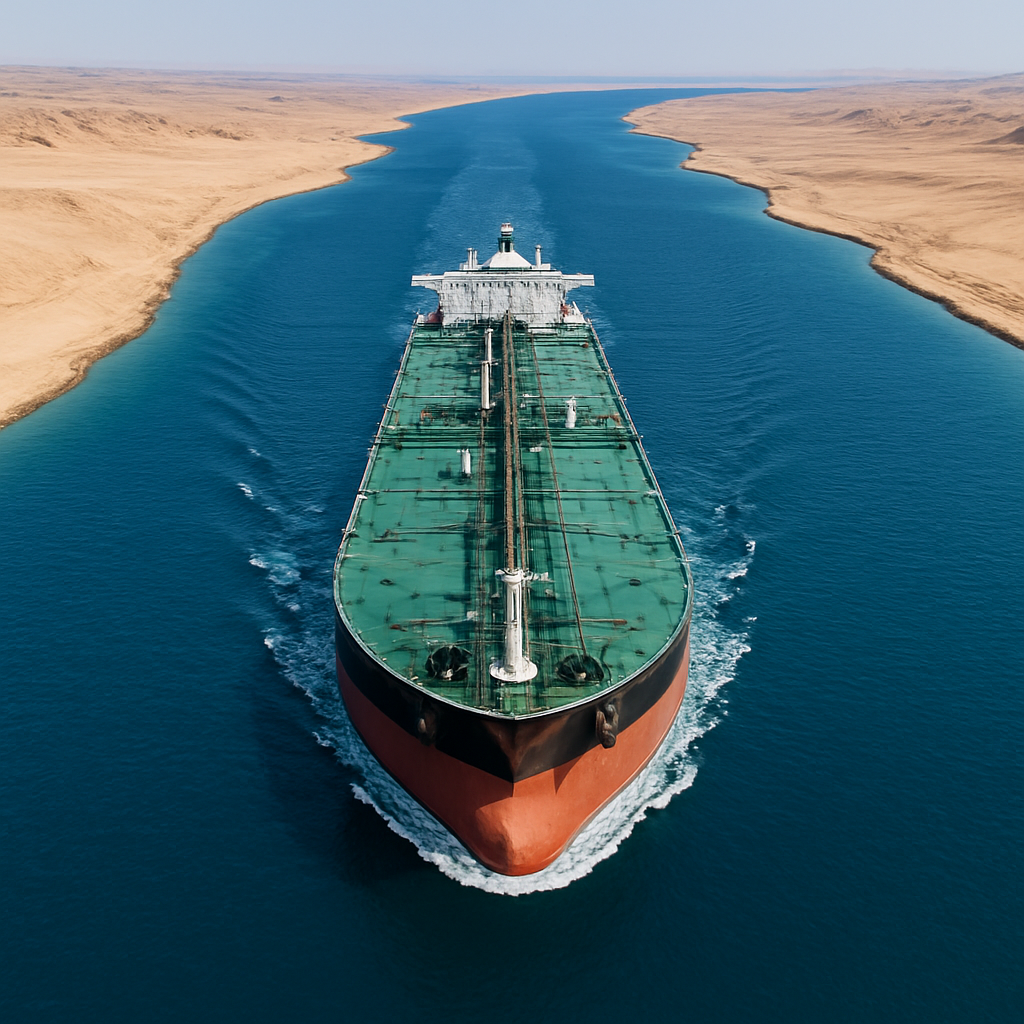
The Strait of Hormuz, which separates the Omani and Iranian coastlines at its narrowest point of approximately 21 miles, serves as the principal export corridor for Gulf producers including Saudi Arabia, the United Arab Emirates, Kuwait, and Iraq. Any sustained disruption to traffic through the passage could send crude oil prices sharply higher, with analysts at several major investment banks estimating that a serious blockade scenario could push Brent crude above $120 per barrel within days. Oil futures edged higher in the session following the incident, though markets stopped short of a full risk premium being priced in, suggesting traders are treating the escalation as a warning rather than an immediate supply crisis.
The latest episode arrives as broader global markets are already navigating a fragile risk environment. As The Fiscalist has previously noted, U.S. equity markets recorded their first net outflow since March, raising concerns among fund managers about a risk-off shift that a prolonged Hormuz standoff could accelerate considerably. Energy-importing economies in Asia, particularly India, face compounding vulnerabilities; the rupee has already fallen to record lows against the dollar amid separate pressures, and a sustained spike in crude import costs would widen the current account deficit further.
Western governments have historically rejected Iran’s claim to unilateral control over the international strait, arguing that the passage qualifies as an international waterway under the United Nations Convention on the Law of the Sea, which guarantees freedom of navigation. The United States Fifth Fleet, headquartered in Bahrain, patrols the region and has previously escorted commercial vessels during periods of heightened tension. A coalition of European and American naval assets has maintained a presence in the Gulf of Oman in recent years precisely to deter the kind of interference Tehran now appears to be reasserting.
For shipping insurers and commodity traders, Iran’s posture introduces immediate pricing consequences. War-risk premiums on tanker voyages through the Gulf have already risen materially since the outbreak of Red Sea disruptions involving Houthi forces in late 2023, and any further deterioration in Hormuz security would compound those costs. Analysts warn that a scenario in which two major maritime chokepoints are simultaneously destabilised would represent a structural shock to global trade logistics not seen in decades, with potential inflationary consequences for energy-import-dependent economies across Europe and Asia.