
Iran is intensifying efforts to insulate its economy from the fallout of escalating American sanctions threats, deploying a combination of currency controls, trade diversification, and domestic production incentives as Washington signals another round of financial restrictions targeting Tehran. The measures reflect a broader strategic calculation by Iranian authorities that the window for external economic engagement is narrowing, and that internal resilience must compensate for the shrinking access to global markets. With US trade pressure reshaping economic relationships across multiple regions, Iran’s position as one of the world’s most heavily sanctioned economies makes its contingency planning particularly consequential.
According to a report by Al Jazeera, titled “Iran prepares to keep economy alive as US threatens further sanctions,” Iranian officials have been briefing lawmakers on emergency economic frameworks designed to maintain basic state functions even in a scenario where oil export revenues are further compressed. Iran’s oil revenues, which have historically accounted for between 40 and 60 percent of government income depending on global price levels and enforcement of existing restrictions, remain acutely vulnerable to any tightening of secondary sanctions on purchasing nations.
Currency Strategy and the Battle to Stabilise the Rial
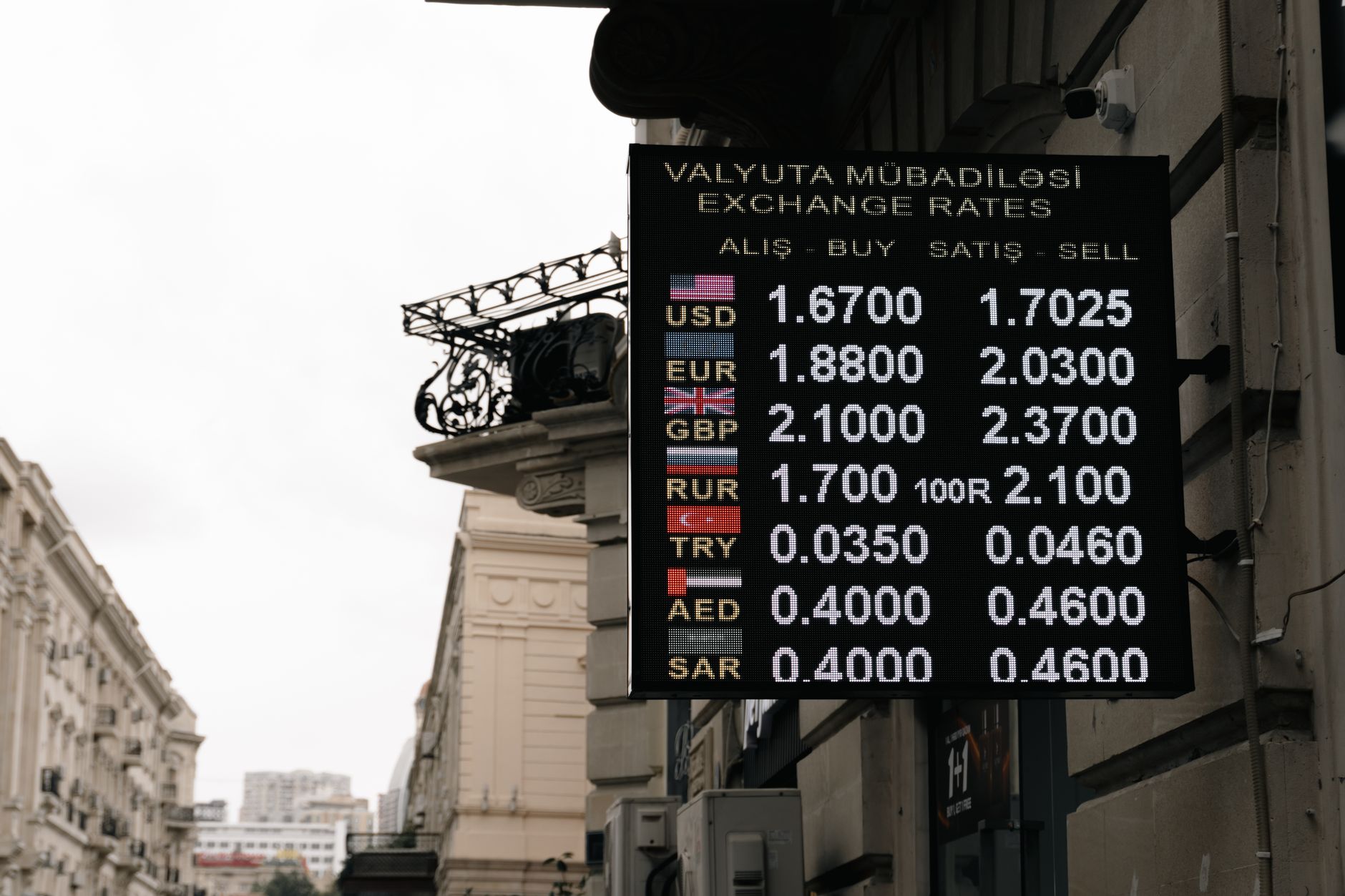
At the centre of Tehran’s defensive economic posture is an attempt to manage the rial’s continued devaluation. The currency has lost a significant portion of its purchasing power over successive sanctions cycles, with some estimates placing cumulative depreciation against the dollar at more than 90 percent over the past decade. Iranian authorities have reportedly introduced new foreign exchange allocation mechanisms aimed at prioritising essential imports, including food commodities, pharmaceuticals, and industrial inputs critical to domestic manufacturing.
The central bank has been directed to increase gold reserve accumulation and to explore barter-based trade frameworks with partner nations unwilling to conduct dollar-denominated transactions. Countries including China, Russia, and several Central Asian states have reportedly expanded non-dollar trade channels with Iran, providing a limited but meaningful buffer. China alone is estimated to account for a substantial share of Iran’s remaining hydrocarbon exports, often processed through intermediary entities to circumvent direct exposure to US financial penalties.
Production Mandates and the Shift Toward Self-Sufficiency
Beyond currency stabilisation, the Iranian government has accelerated what officials describe as an “economic resistance” strategy, directing state enterprises and subsidised private sector actors to expand domestic output across strategic sectors. Petrochemical production, steel manufacturing, and agricultural output have each been identified as priority areas where import substitution can reduce vulnerability to external supply chain disruptions.
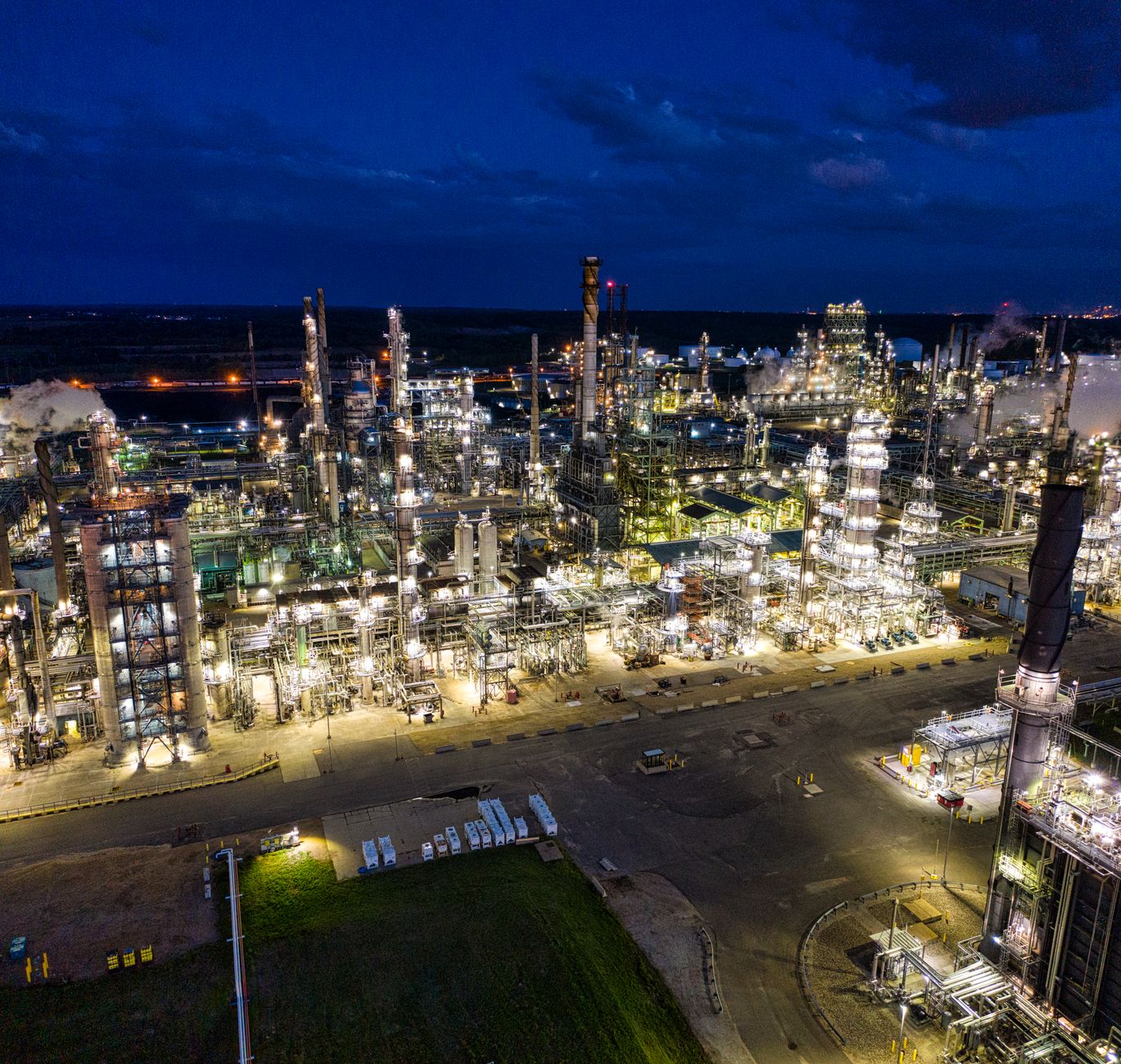
The petrochemical sector is of particular note. Iran has invested significantly in downstream refining capacity over the past several years, allowing it to export higher-value processed products rather than crude oil alone, which is harder to trace and easier to route through third-party intermediaries. Industry observers estimate that Iran’s petrochemical exports have grown to represent a meaningful share of total hydrocarbon-related revenue, providing a degree of insulation from crude-specific sanctions enforcement.
The government has also signalled it will expand food subsidy programmes to cushion low-income households from inflation, which has been running at elevated double-digit levels. Consumer sentiment data in sanctioned economies frequently tracks closely with food and fuel price movements, and Iranian authorities appear acutely aware that domestic economic pain translates into political risk. The erosion household confidence has become a defining political challenge in several economies facing external economic shocks in 2026.
Washington’s Leverage and the Limits of Enforcement
The United States has indicated that forthcoming sanctions measures could target additional financial institutions facilitating Iranian transactions, as well as shipping entities suspected of transporting Iranian crude under false flags. Secondary sanctions — penalties applied to non-US firms that continue doing business with Iran — remain Washington’s most powerful enforcement tool, as they force third-country companies to choose between access to the US financial system and continued engagement with Iran.
However, analysts note that the practical ceiling of sanctions enforcement is not unlimited. With a growing number of countries actively constructing alternative payment architectures and reducing dollar dependency, the long-term efficacy of unilateral financial pressure faces structural headwinds. Iran’s own experience over decades of sanctions has produced an economy that, while significantly diminished from its potential, has demonstrated a capacity to adapt through informal networks, barter arrangements, and state-directed resource allocation that conventional market economies rarely employ. How much further compression Tehran can absorb before those mechanisms fail remains the central unanswered question for both Iranian policymakers and those in Washington designing the next phase of economic containment.