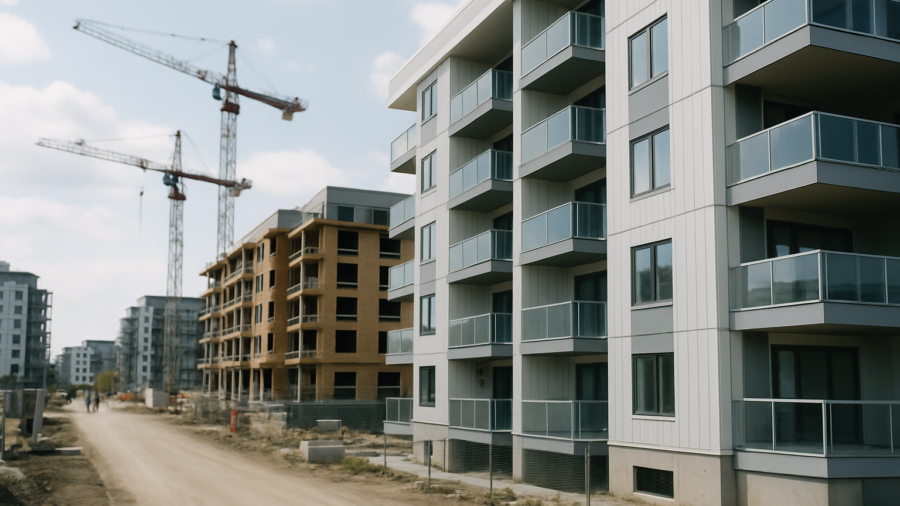
Condominium prices across several major U.S. markets have softened meaningfully over the past year, offering what appeared to be a rare window of relief for buyers priced out of the single-family home market. But a growing body of evidence suggests that headline list prices tell only part of the story. Homeowners association fees — the monthly charges that cover building maintenance, insurance, reserves, and amenities — are climbing at a pace that threatens to cancel out much of the savings buyers believe they are securing at the closing table.
According to a MarketWatch report, HOA fees have surged dramatically in recent years, with some markets seeing average monthly charges rise by 20 to 30 percent since 2020. In Florida, where new legislation now requires condominium associations to fully fund structural reserves following the 2021 Surfside collapse, fees in some buildings have doubled or even tripled. Buyers accustomed to comparing mortgage payments alone are increasingly being caught off guard by monthly carrying costs that can add hundreds — sometimes more than a thousand — dollars to their effective housing expense.
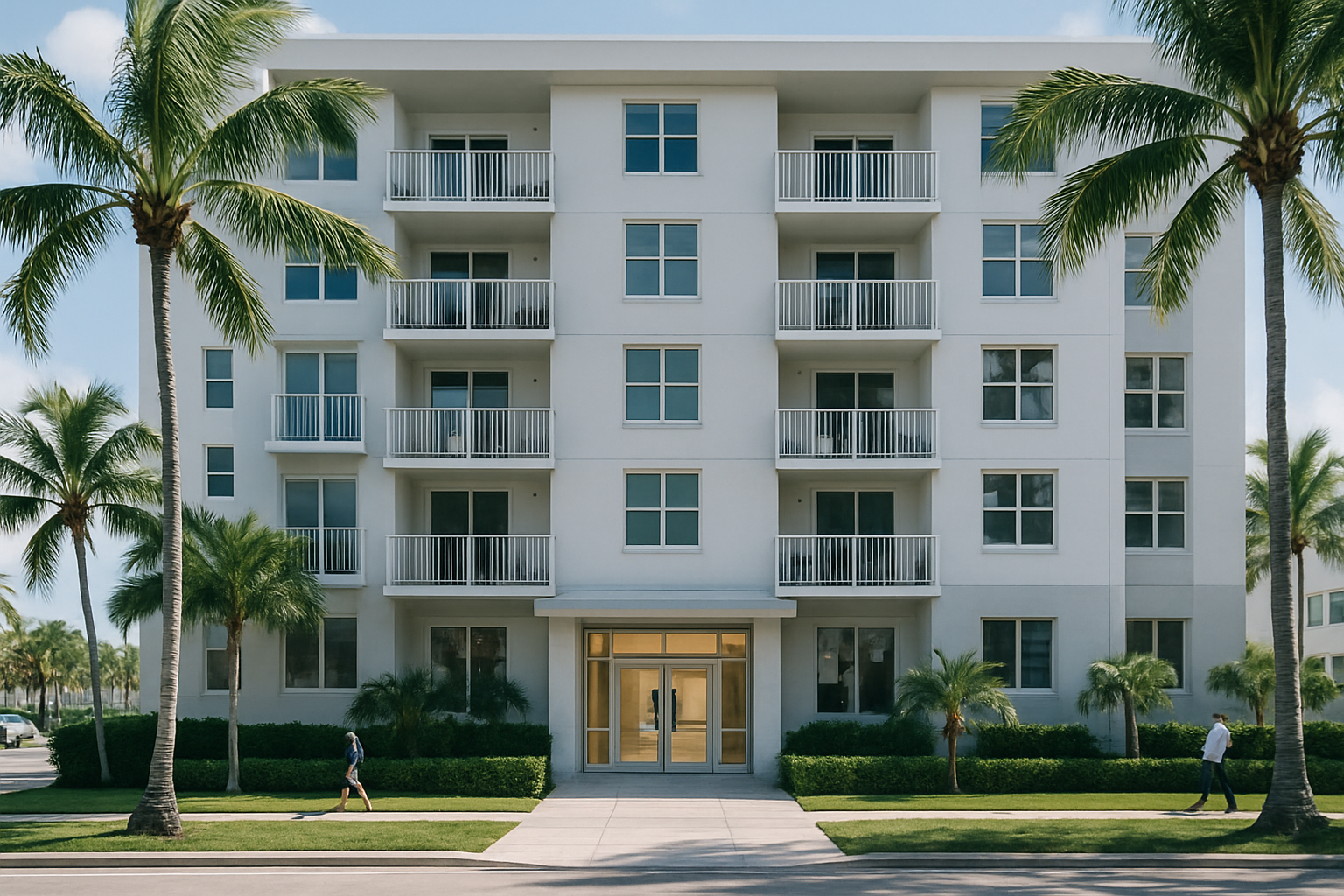
The True Cost of Ownership Is Increasingly Obscured by List Prices
The disconnect between advertised prices and total ownership costs is not merely a nuisance for individual buyers — it represents a structural transparency problem in how residential real estate is marketed and evaluated. List prices, and even the mortgage pre-qualification process, rarely incorporate HOA fees in a standardised or prominently disclosed manner. A condo listed at $350,000 in Miami, for example, might carry HOA fees of $1,200 per month, effectively adding the financial equivalent of a second mortgage on top of principal and interest payments.
Analysts note that the affordability calculus becomes especially distorted in markets where list prices have nominally declined by 5 to 10 percent year over year, but HOA fees have risen by a comparable or greater proportion over the same period. For a buyer stretching to meet qualification thresholds, a $200 monthly increase in HOA fees can reduce borrowing power by roughly $30,000 to $40,000 when lenders apply standard debt-to-income ratio assessments. That silent erosion of purchasing power is rarely captured in the headline statistics used to measure housing market conditions.
The Florida situation has drawn the sharpest attention. Following the passage of Senate Bill 4-D in 2022, associations managing buildings three stories or taller are now legally required to conduct milestone structural inspections and maintain fully funded reserve accounts — a long-overdue but expensive mandate. Many buildings that had allowed reserves to atrophy for decades are now scrambling to make up shortfalls through steep special assessments and recurring fee hikes, landing the burden squarely on current and prospective owners.
Buyers and Investors Must Rethink How They Assess Condo Affordability
Financial advisers and real estate professionals are urging buyers to demand full fee schedules, reserve fund studies, and meeting minutes from condo associations before making offers. A building with an underfunded reserve and aging infrastructure is a material financial liability that does not appear anywhere on the MLS listing sheet. In several documented cases, buyers have discovered pending special assessments of $20,000 to $50,000 per unit only after contracts were signed, leaving them with limited recourse.
For investors, the implications extend further. Rising HOA fees compress net rental yields and can render previously profitable units cash-flow negative. In markets where condo inventory is expanding — particularly in Sun Belt cities where new supply came online in 2023 and 2024 — the combination of falling rents, elevated insurance premiums, and climbing association fees is squeezing returns from multiple directions simultaneously. Those broader pressures on household budgets echo the themes explored in our coverage of consumer spending pressures playing out across the U.S. economy.
The broader lesson for the housing market is that affordability metrics anchored to list prices and mortgage rates alone are no longer sufficient. As building infrastructure ages, insurance costs spike, and regulatory requirements tighten, the true monthly cost of condo ownership has become a moving target — one that demands far greater scrutiny from buyers, lenders, and policymakers alike. For those navigating complex financial decisions in an uncertain environment, avoiding the kind of hidden-cost miscalculations that affect real estate buyers is a theme that resonates well beyond property markets, as our look at airport currency kiosks recently illustrated. Transparency in total cost of ownership, wherever it applies, remains the first line of financial defence.