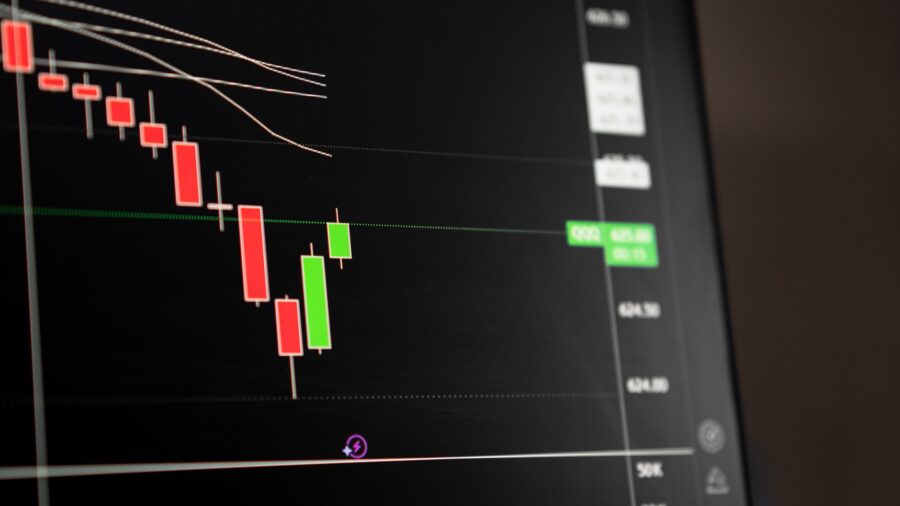
Gold and silver futures retreated on the Comex division of the New York Mercantile Exchange on Wednesday, as investors positioned defensively ahead of the Federal Reserve’s closely watched interest rate decision. The prospect of a prolonged period of elevated borrowing costs weighed on both metals, with the dollar strengthening against a basket of major currencies and reducing the appeal of commodities priced in the greenback. The session’s losses reflected a broader caution across commodity markets, where traders were reluctant to maintain risk exposure without clearer guidance from policymakers.
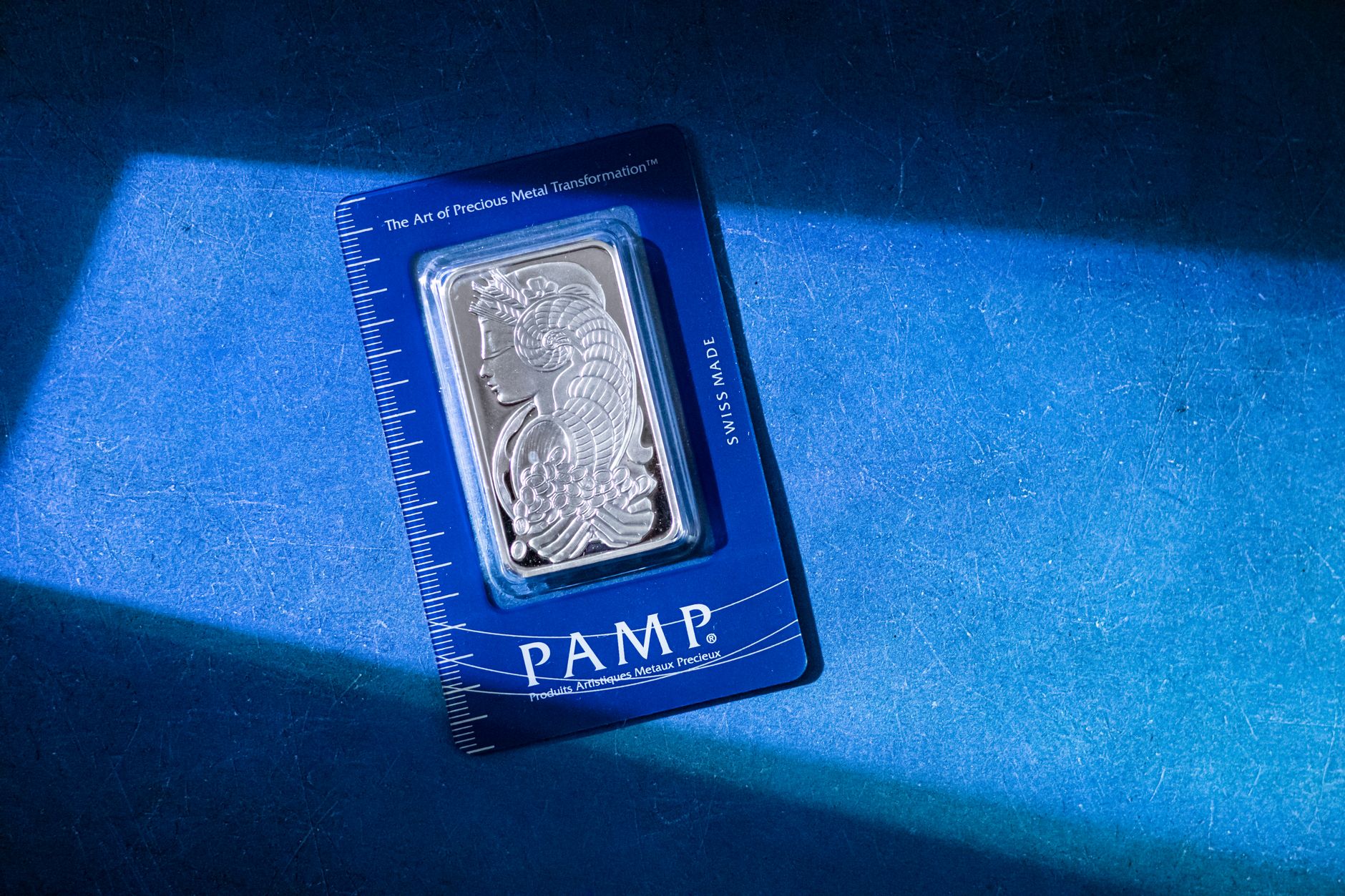
According to the WSJ markets report, gold for August delivery fell approximately 0.4 percent to settle near $2,320 per troy ounce, while silver futures dropped more sharply, declining around 1.2 percent to settle near $29.10 per troy ounce. The divergence in the magnitude of losses underscored silver’s dual role as both a monetary and an industrial metal, leaving it more exposed to sentiment swings tied to global growth expectations. Analysts noted that the metals complex had been under incremental pressure for several sessions as Fed officials signaled they were in no rush to begin cutting rates, with inflation data remaining stickier than anticipated. The sector analyst commentary across financial services has similarly flagged rate sensitivity as a dominant theme shaping asset prices in the near term.
Dollar Strength and Rate Expectations Pressure Precious Metals
The U.S. Dollar Index edged higher during the session, hovering near its strongest levels in several weeks and acting as a persistent headwind for dollar-denominated commodities. When the dollar appreciates, gold and silver effectively become more expensive for buyers transacting in other currencies, suppressing demand at the margin. Fed funds futures markets were pricing in fewer than two rate cuts for the remainder of the calendar year, a marked shift from the four reductions that had been anticipated at the start of 2024. That recalibration has forced institutional investors to reassess the opportunity cost of holding non-yielding assets like gold, which does not generate income in the way that Treasuries or money market instruments do.
Market participants had also been monitoring comments from Fed Chair Jerome Powell for any indication that the central bank’s stance could soften in coming months. However, recent economic data, including a resilient labor market and services inflation that has remained above target, gave officials limited room to pivot. Spot gold in overseas markets had already reflected this pressure earlier in the day, with London fix prices coming in below the psychologically significant $2,330 level for the second consecutive session. Traders in the options market were observed increasing their positions in downside protection for gold, suggesting that near-term sentiment had shifted cautiously bearish.
Silver Underperforms as Industrial Demand Signals Fade
Silver’s steeper percentage decline on the session highlighted the metal’s sensitivity not only to monetary policy but also to indicators of global manufacturing and industrial activity. Recent purchasing managers index readings from major economies, including the eurozone and China, have pointed to sluggish factory output, reducing expectations for near-term silver consumption in electronics, solar panels, and industrial applications. Silver has historically exhibited greater volatility than gold during periods of uncertainty, amplifying both gains and losses relative to its more purely monetary counterpart.

Comex open interest in silver futures declined modestly during the session, a sign that some speculative length was being unwound rather than new short positions aggressively established. Still, the net speculative position in silver, as reported in recent Commodity Futures Trading Commission data, had already been trending lower over the prior three weeks, suggesting that the retreat was part of a broader repositioning rather than a single-day reaction. Analysts at several brokerage desks cautioned that silver could find support near the $28.50 level if gold stabilized, but warned that a hawkish surprise from the Fed could push both metals meaningfully lower. Platinum and palladium, the other primary precious metals traded on Comex, also posted modest losses on the session, reinforcing the view that the selling pressure was broad-based rather than isolated to gold and silver.
Outlook Hinges on Fed Guidance and Inflation Trajectory
Looking ahead, market participants said the trajectory for gold and silver would depend heavily on whether the Federal Reserve’s statement and subsequent press conference offered any revised signals on the timing and pace of potential rate reductions. A dovish tilt, even a subtle one, could rapidly reverse recent losses and push gold back toward its record highs above $2,400 per troy ounce reached earlier this year. Conversely, a reaffirmation of the higher-for-longer narrative would likely sustain pressure on both metals through the summer months, with some analysts projecting gold could test support near $2,280 before finding a durable floor.
Physical demand from central banks, which has been a significant pillar of gold’s rally over the past two years, was expected to provide a structural backstop even if speculative flows continued to ebb. Emerging market central banks, particularly in Asia and the Middle East, have been steady accumulators of gold reserves as part of efforts to diversify away from dollar-denominated assets. That longer-term demand dynamic has led many commodity strategists to maintain constructive year-end price targets for gold in the range of $2,500 per troy ounce, even as short-term headwinds persist. Silver’s longer-term outlook was similarly supported by structural demand growth in the renewable energy sector, though the metal’s near-term price action was expected to remain volatile relative to gold as macro uncertainty persisted.