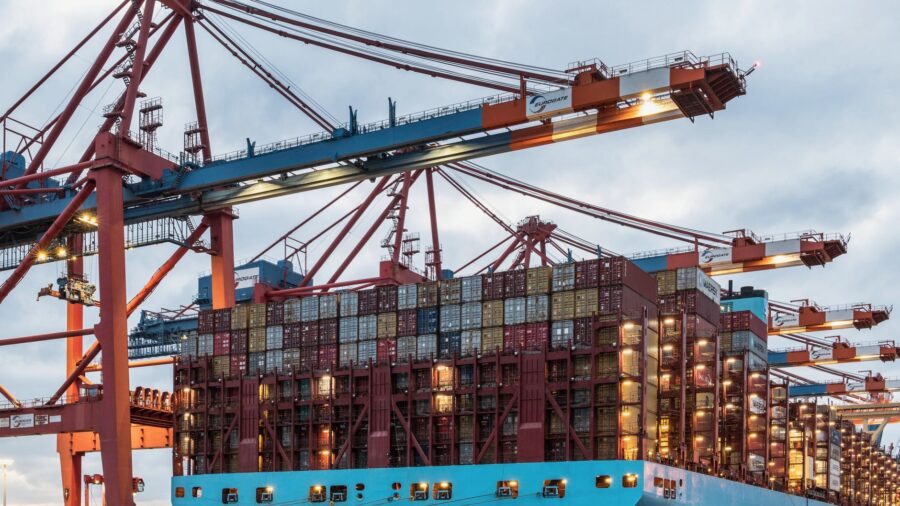
China has issued a sharp diplomatic warning to the United States, pledging to take firm measures to safeguard its commercial and strategic interests after Washington significantly widened its sanctions regime against Iran. The warning, delivered through China’s foreign ministry, signals that Beijing views the expanded measures as a direct threat to its energy supply chains and bilateral trade relationships that have deepened considerably in recent years. As reported by BBC News, the Chinese government made clear it would not passively accept what it characterised as unlawful unilateral coercion by the United States. The standoff has rattled energy markets and revived concerns about a broader fracture in Sino-American economic relations at an already fragile moment for global trade. Analysts tracking China sanctions exposure note that Beijing has been quietly fortifying its financial architecture for precisely this kind of confrontation.
The fresh US measures target Iranian oil exports with particular intensity, extending secondary sanctions to foreign entities — including Chinese firms — that continue processing Iranian crude or facilitating payments through dollar-adjacent channels. China imported an estimated 1.5 million barrels per day of Iranian oil in the first half of this year, making it by far the largest buyer of sanctioned Iranian petroleum. That volume, conducted largely through obscured shipping networks and intermediary trading houses, has become a focal point of Washington’s enforcement strategy. The Treasury Department’s latest designations name several Chinese port operators, refining affiliates, and financial intermediaries, a move Beijing described as a severe overreach of American jurisdiction.
Regional Tensions Compound the Economic Stakes
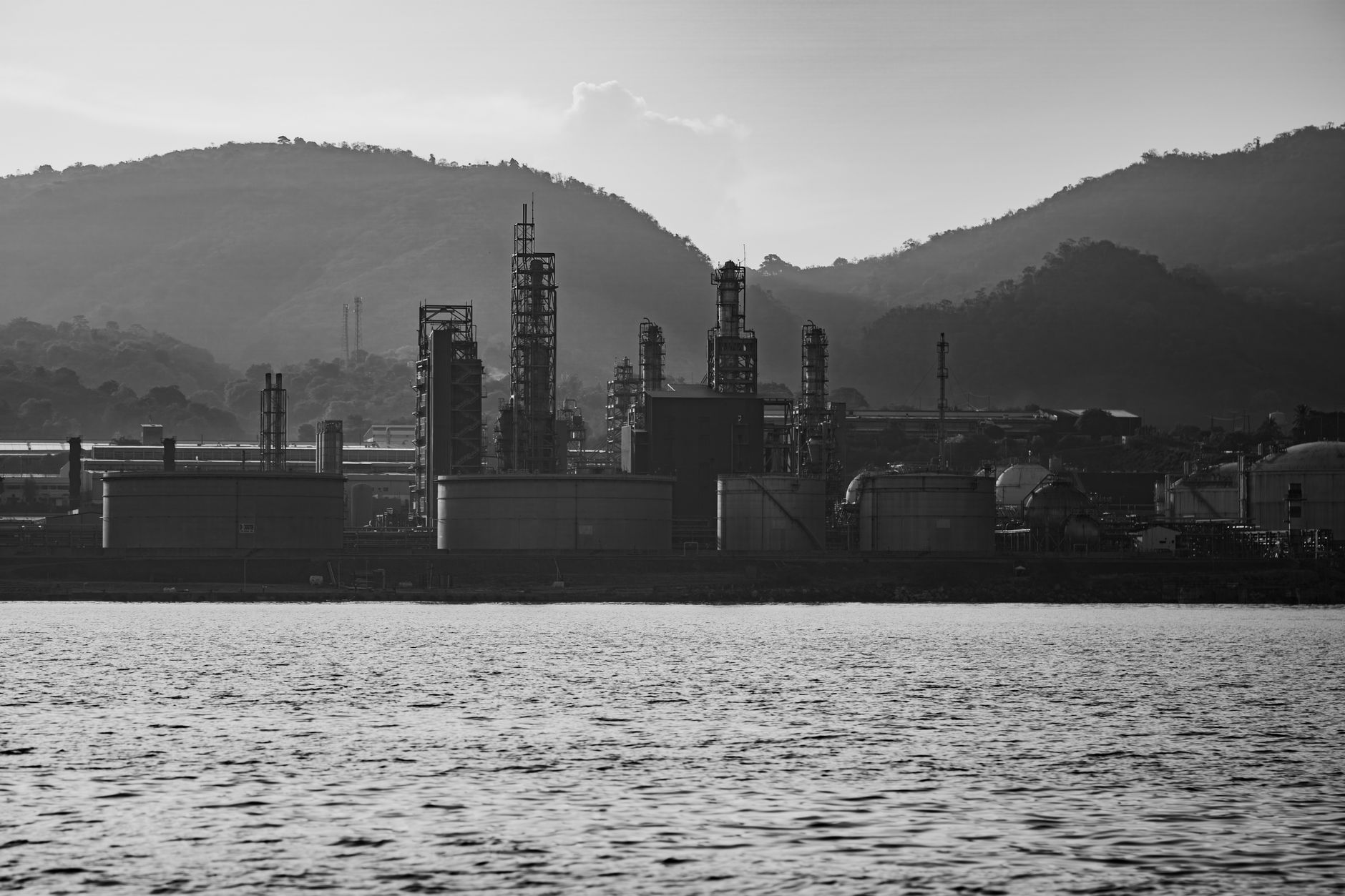
The sanctions escalation does not exist in a geopolitical vacuum. Military tensions in the broader Middle East region have added urgency to the diplomatic and financial confrontation. Al Jazeera reporting on recent IRGC strikes against US-linked targets in Kuwait illustrates how swiftly the regional situation can deteriorate, raising the risk premium attached to all Iranian-linked trade and energy flows. Oil markets have responded with notable volatility, with Brent crude futures swinging by as much as four percent in intraday trading following the combined weight of new sanctions designations and military incidents. For Chinese state energy companies that have committed substantial capital to Iranian upstream projects, the compounding risks are significant.
China’s exposure extends well beyond crude imports. Beijing has invested heavily in Iranian infrastructure, with total bilateral trade estimated at over 30 billion dollars annually in recent periods, spanning petrochemicals, construction materials, electronics, and consumer goods. Chinese banks that have quietly processed payments for Iranian counterparties now face the prospect of losing access to the US financial system if Washington chooses to pursue correspondent banking penalties aggressively. That threat alone has prompted several mid-tier Chinese lenders to quietly review their Iranian transaction books, according to analysts at regional financial institutions.
Financial Markets and Diplomatic Fallout
The market implications of a sustained China-US confrontation over Iran sanctions enforcement are considerable. Chinese energy stocks with reported Iranian exposure declined between two and five percent in Hong Kong trading in the sessions following Washington’s announcement, as investors priced in the risk of forced divestment or operational disruption. More broadly, the episode reinforces a structural concern that secondary sanctions reach is being stretched further than at any previous point in the modern era, potentially turning routine energy commerce into a geopolitical liability for third-party nations.
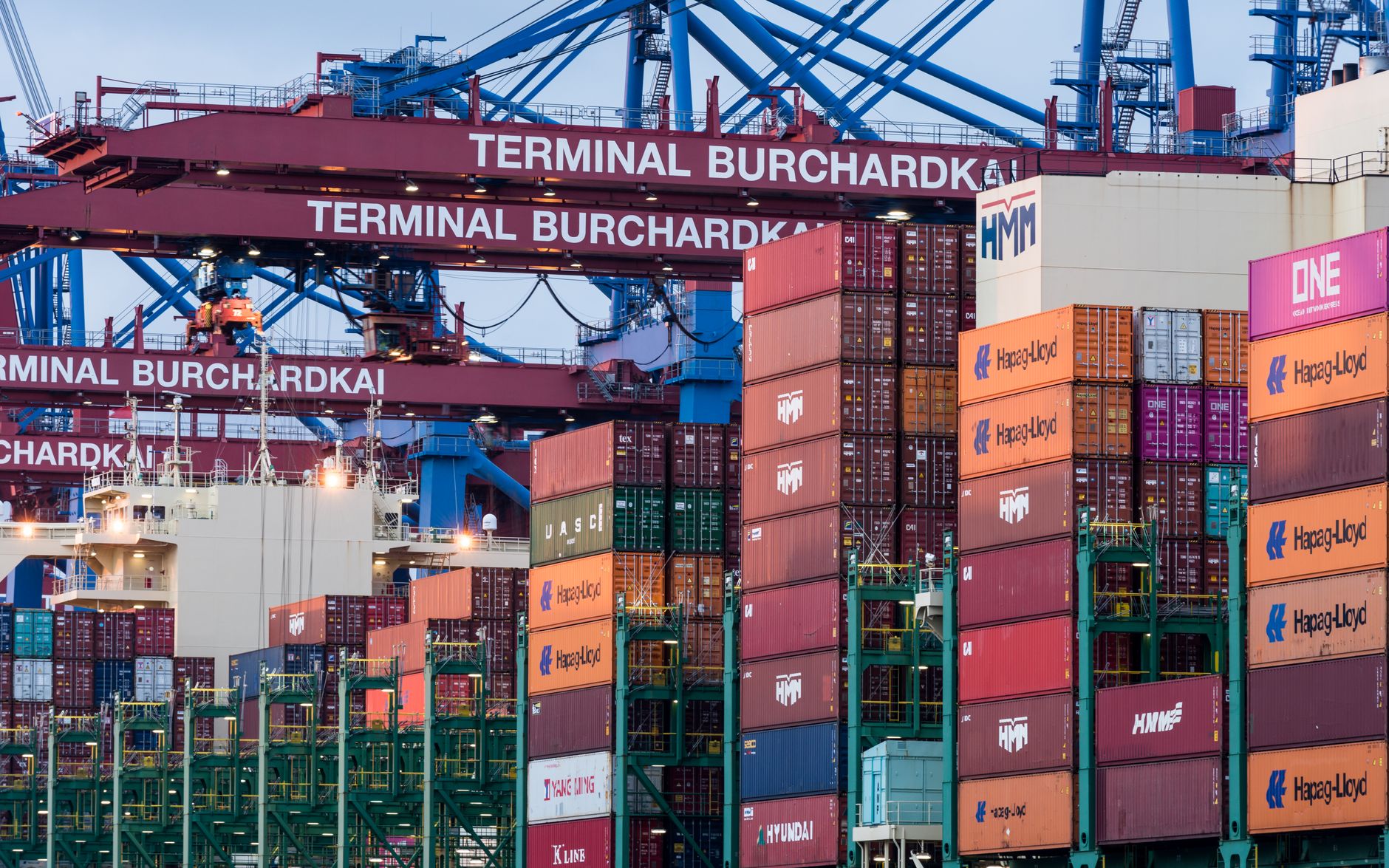
Beijing’s response has been measured in tone but unambiguous in intent. Chinese foreign ministry spokespeople have repeatedly stated that China opposes unilateral sanctions not authorised by the United Nations Security Council, a position that carries particular weight given China’s permanent seat on that body and its effective veto over any multilateral measure targeting Iran. Diplomatically, China is expected to raise the matter in bilateral trade consultations and may accelerate its push to settle more energy contracts in yuan, reducing the leverage that dollar-denominated clearing gives Washington over third-party transactions. Economists estimate that every percentage point shift in yuan-settled oil trade reduces US sanction effectiveness by a measurable, if modest, degree across the targeted supply chain. The episode underscores how energy, finance, and geopolitics have become inseparable pressure points in the evolving contest between the world’s two largest economies.