
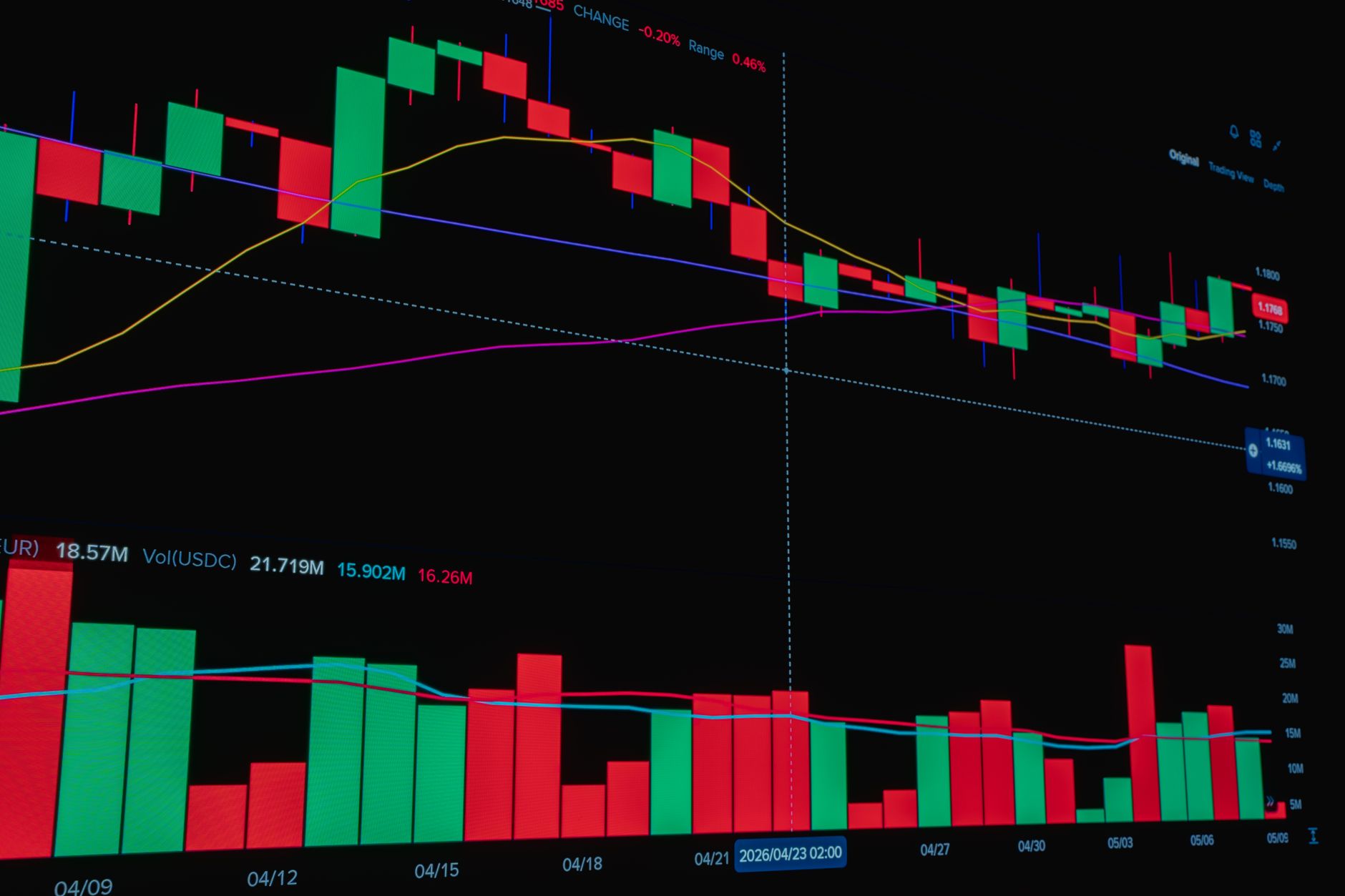
Bitcoin surged above $72,000 for the first time in roughly two months, propelled by a combination of Treasury market instability and a cascading short squeeze that caught leveraged traders off guard. The world’s largest cryptocurrency by market capitalization climbed as much as 6 percent in a single session, reaching levels not seen since early March and reigniting debate about whether digital assets are increasingly correlated with movements in sovereign bond markets. For context on how Washington’s fiscal dynamics are reshaping broader asset classes, our earlier analysis of Treasury inflation pressures remains instructive.
The rally, first reported by Investor’s Business Daily in a piece titled “Bitcoin Price Spikes Above $72,000 On Treasury-Fueled Short Squeeze,” unfolded against a backdrop of sharp moves in U.S. government bonds, where yields on the 10-year note gyrated within an unusually wide intraday band. Analysts noted that as Treasury volatility spiked, risk sentiment shifted abruptly, wrong-footing traders who had built substantial bearish positions in the crypto futures market. According to Investor’s Business Daily, short liquidations across crypto derivatives exchanges exceeded $200 million within hours of the move beginning.
Short Sellers Caught Offside as Bond Volatility Spills Into Crypto
Bearish positioning in Bitcoin futures had been building steadily in the weeks prior to the breakout, with data from the Commodity Futures Trading Commission showing that speculative short interest had reached its highest point since late 2023. When Treasury yields began moving erratically — driven by fresh concerns over the U.S. fiscal outlook and an underwhelming bond auction — risk assets broadly reversed course, and Bitcoin’s reactive rally was amplified by the mechanical unwinding of those short positions. The feedback loop between forced buybacks and rising spot prices compressed what might otherwise have been a modest uptick into a full-scale squeeze.
Traders and analysts pointed to the growing tendency of institutional participants to use Bitcoin as a macro hedge, a dynamic that has made the asset increasingly sensitive to developments in the rates market. When bond markets signal stress, some institutional desks rotate into hard-capped assets as an inflation and currency-debasement hedge, applying buying pressure that coincides poorly with elevated short interest. This pattern, while not unprecedented, appeared in unusually sharp relief during this particular session, with open interest on major derivatives platforms dropping sharply even as spot prices climbed.
Regulatory Momentum Adds Fuel to the Rally
Beyond the mechanics of the short squeeze, market participants pointed to a shifting regulatory environment as a secondary catalyst for renewed bullish sentiment. The so-called Clarity Act, which has been circulating in Congressional discussions with reported support from the White House, would establish cleaner jurisdictional lines between the Securities and Exchange Commission and the CFTC over digital asset oversight. Investors have long argued that regulatory ambiguity represents one of the most significant structural overhangs on crypto valuations, and any credible movement toward a coherent framework tends to be received positively by the market.
The prospect of clearer rules has also encouraged fresh institutional interest in the sector. Bitcoin exchange-traded funds, which received regulatory approval earlier this year, continued to draw inflows even during the recent period of price consolidation, suggesting that demand from traditional finance participants has not abated. Observers noted that a defined regulatory perimeter would reduce compliance uncertainty for asset managers, potentially unlocking a further wave of institutional capital. The regulatory angle dovetails with broader legislative interest in digital assets, a trend also evident in other jurisdictions, as explored in our coverage of Israel’s crypto reforms.
Whether the move above $72,000 represents a durable breakout or a technically driven overshoot remains contested. Several technical analysts flagged the $74,000 to $75,000 range as the next meaningful resistance zone, noting that a sustained close above those levels would be required to confirm a resumption of the broader uptrend that carried Bitcoin to its all-time high earlier in the year. For now, however, the session served as a sharp reminder that in a market defined by leverage and thin liquidity windows, macro crosscurrents can move prices in ways that catch even well-positioned traders fundamentally off guard.