
The autonomous vehicle industry is undergoing a pivotal transformation, shifting from a decade of expensive experimentation toward the early stages of commercially viable deployment. Billions of dollars in fresh capital, a gradually maturing regulatory environment, and expanding robotaxi operations in major U.S. cities are combining to push the sector closer to an inflection point that investors and automakers have long anticipated. A recent Marketplace report on the future of self-driving cars underscores both the significant momentum building behind the technology and the stubborn structural challenges that continue to complicate its path to mass adoption.
For investors tracking high-stakes technology bets, the autonomous vehicle space sits alongside other capital-intensive races for commercial scale. Much as semiconductor funding rounds have signaled deepening confidence in AI infrastructure, the latest wave of commitments flowing into self-driving platforms reflects a broader conviction that autonomous mobility is approaching a viable business model rather than remaining a distant research project.
Investment Flows and the Competitive Landscape
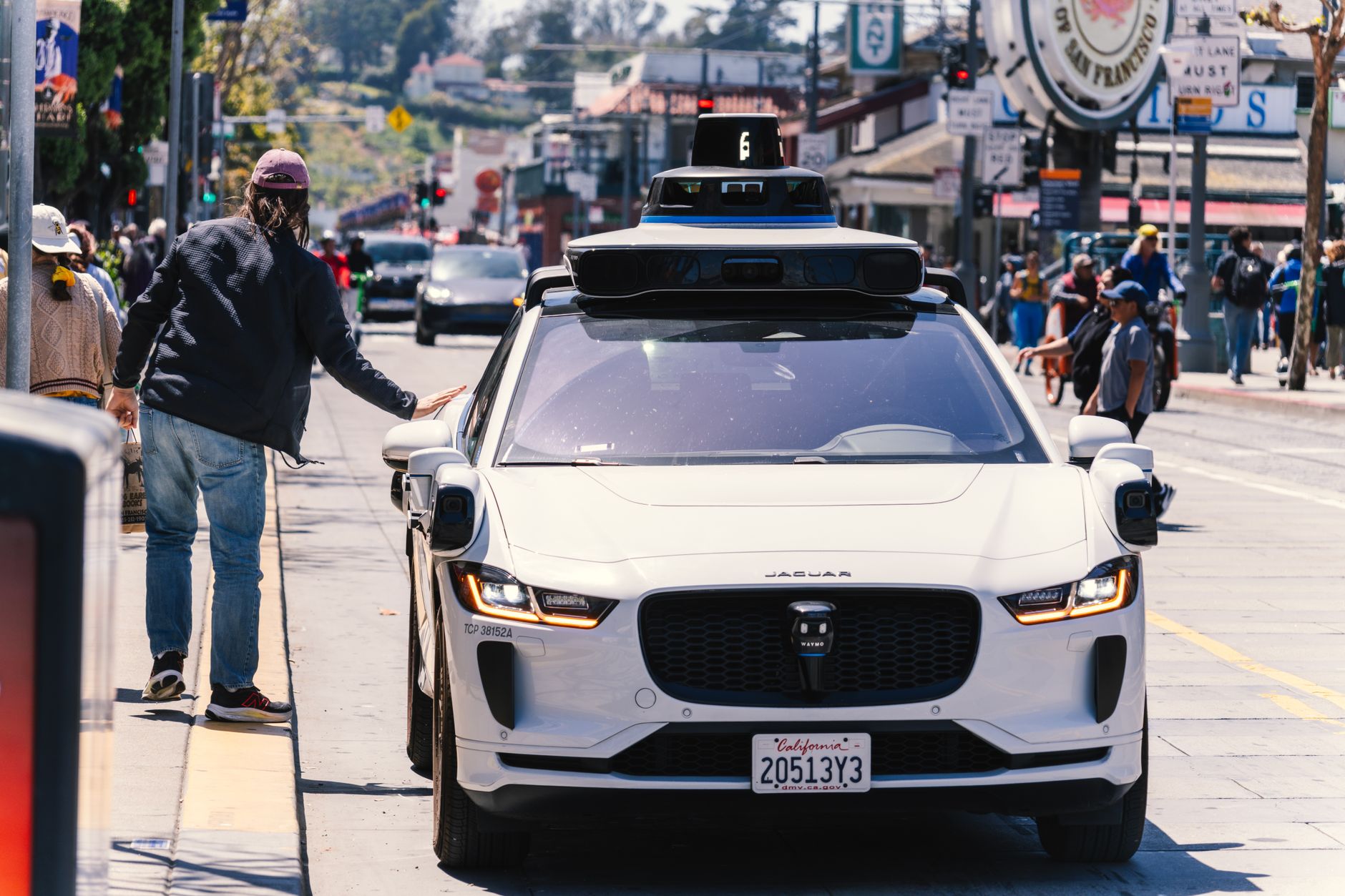
Waymo, the Alphabet-owned autonomous driving unit, has emerged as the most operationally advanced player in the field, completing hundreds of thousands of paid robotaxi rides per week across San Francisco, Phoenix, and Los Angeles. The company’s geographic expansion plans and its ability to operate entirely without human safety drivers in select zones represent a meaningful competitive moat. Meanwhile, Tesla continues to press its case that its fleet-collected data and full self-driving software stack give it an eventual edge at scale, though its timeline for unsupervised autonomy has repeatedly slipped. Analysts cited in Forbes investor analysis have warned that Tesla stock faces headwinds in the second half of 2026, partly due to lingering skepticism about near-term autonomous revenue delivery against elevated valuation expectations.
Beyond the established names, a broader ecosystem of suppliers, sensor manufacturers, and software platform developers is absorbing substantial venture and institutional capital. Lidar makers, HD mapping firms, and simulation software providers are all competing for contracts as both legacy automakers and technology-first entrants rush to lock in supply chains. According to GlobeNewswire robotics data, the autonomous transportation sector is being tracked alongside electric vertical takeoff and landing developers, with research groups profiling dozens of companies competing across the full mobility stack. The convergence of robotics, AI inference hardware, and real-time mapping is creating a layered supplier economy that analysts estimate could generate tens of billions in annual revenue before the decade closes.
Regulation, Liability, and the Road to Public Acceptance
Federal and state regulatory frameworks remain one of the most consequential variables shaping the industry’s commercial trajectory. The National Highway Traffic Safety Administration has signaled greater openness to exemptions that would allow vehicles without traditional manual controls to operate on public roads, a shift that could meaningfully accelerate deployment timelines for companies whose designs do not include steering wheels or pedals. Several states, including California, Arizona, and Texas, have moved to clarify liability rules governing accidents involving autonomous systems, a critical step for insurers and fleet operators attempting to price risk with any precision.
Public trust, however, remains a persistent gap between technical capability and commercial reality. High-profile incidents involving autonomous vehicles, even when statistically infrequent, attract outsized media attention and can trigger regulatory pauses or public backlash that delays citywide rollouts by months. Industry executives and transportation economists have argued that the path to acceptance will require not just a clean safety record but transparent data reporting and consistent government communication about what the technology can and cannot do. Surveys conducted across U.S. urban markets suggest that consumer willingness to ride in a fully driverless vehicle without a safety operator on board remains below 40 percent, a figure the industry will need to move substantially before robotaxi services can scale profitably beyond early adopter demographics.

The economic stakes of getting the timing right are considerable. Analysts project that autonomous ride-hailing and freight delivery could together represent a market opportunity exceeding 500 billion dollars annually within fifteen years, assuming regulatory and adoption hurdles are cleared on a reasonable schedule. For now, the industry remains in a capital-intensive middle phase, spending heavily on operations, hardware iteration, and safety validation while waiting for unit economics to turn positive at scale. The companies that can sustain that burn rate while maintaining regulatory goodwill are the ones most likely to define what the autonomous vehicle market ultimately looks like.