
Alibaba Group suffered a sharp share price decline on Monday after the Chinese e-commerce and cloud computing giant announced a Hong Kong share placement worth approximately $10.2 billion, one of the largest equity fundraises by an Asian technology company in recent years. The move, designed to accelerate the company’s push into artificial intelligence infrastructure, rattled investors who sent shares in Hong Kong down by as much as 6 percent in early trading, erasing billions of dollars in market capitalisation within hours of the announcement. As capital markets absorb a wave of AI-related spending commitments across the sector, the placement underscores just how expensive the race to dominate next-generation computing has become — a dynamic also reshaping broader risk sentiment, as explored in recent coverage of institutional demand shifts across global asset classes.
According to a CNBC report published on 24 August 2026, Alibaba priced the placement at a discount to its prevailing market price, a standard mechanism for large block sales but one that predictably pressures the existing share price as dilution concerns ripple through the investor base. The placement involves new ordinary shares listed on the Hong Kong Stock Exchange, with proceeds earmarked primarily for cloud computing capacity, AI model development, and the buildout of data centre infrastructure across the Asia-Pacific region. The fundraise ranks among the most significant capital market transactions in Hong Kong this year and reflects Alibaba’s determination to close the gap with domestic rivals including Huawei and Baidu, both of which have aggressively expanded their own AI capabilities in recent quarters.
Dilution Fears and Market Reaction Drive the Selloff
The immediate market reaction was severe. Alibaba’s Hong Kong-listed shares fell sharply at the open, with the stock briefly touching its lowest level in several weeks before partially recovering as institutional buyers stepped in to absorb part of the overhang. Trading volumes surged to roughly three times the daily average, a sign that the placement triggered forced selling among short-term holders unwilling to absorb further dilution. The Hang Seng Tech Index also weakened in sympathy, slipping approximately 1.4 percent as sentiment toward Chinese technology stocks — already fragile amid persistent regulatory scrutiny from Beijing — took another hit.
Analysts noted that while the scale of the placement was large, it was not entirely surprising given Alibaba’s publicly stated ambition to invest tens of billions of dollars in AI and cloud infrastructure over a multi-year horizon. What caught markets off guard was the timing and the size relative to consensus expectations. Several institutional desks had modelled a smaller fundraise in the range of $6 billion to $8 billion, meaning the final figure came in meaningfully above those estimates. Morgan Stanley and Goldman Sachs are among the banks understood to be acting as joint bookrunners on the transaction, though Alibaba did not publicly confirm the full syndicate composition at the time of the announcement.
Strategic Logic Behind the Capital Push
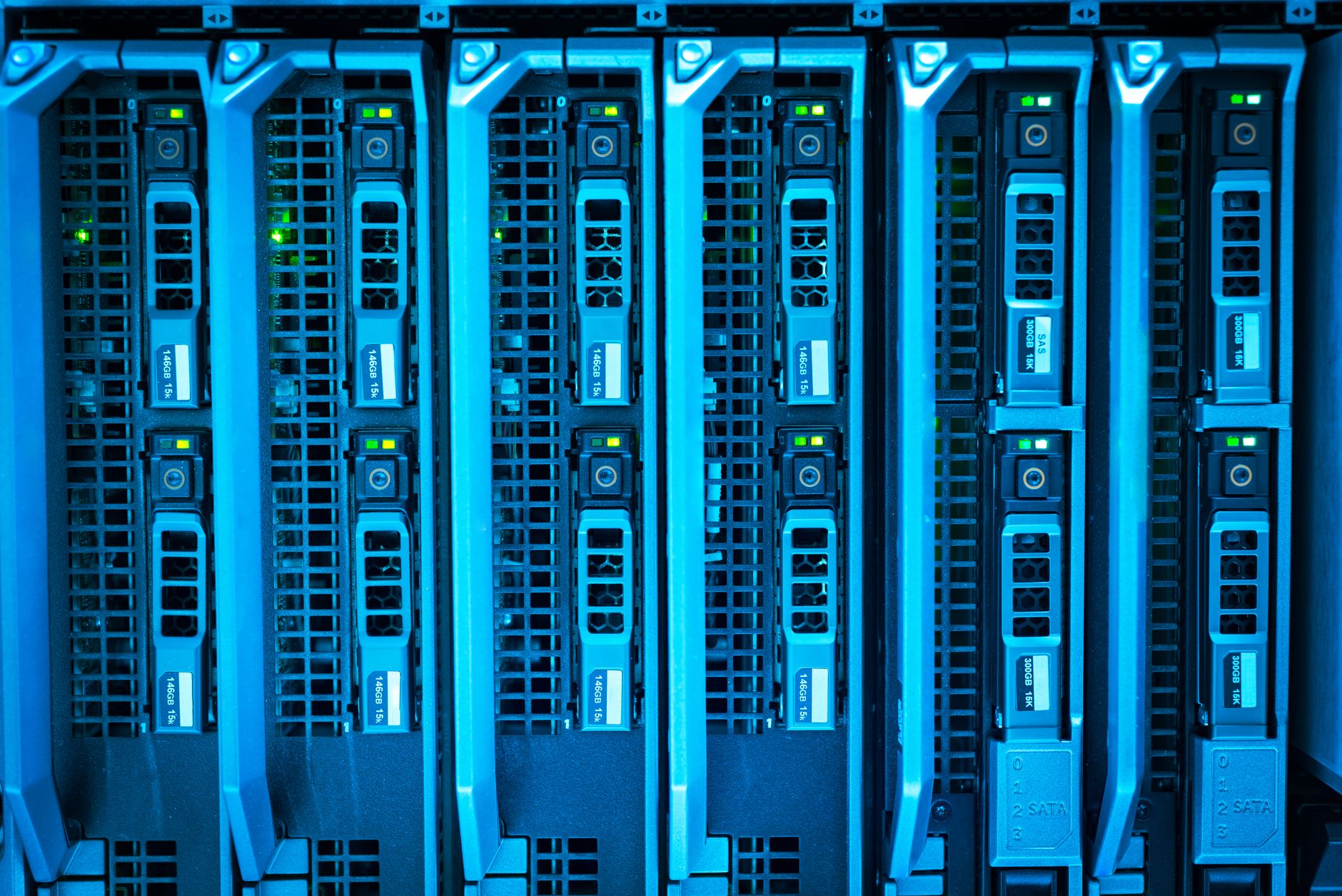
Alibaba’s decision to tap equity markets rather than rely solely on internal cash generation or debt financing signals a deliberate strategic choice. The company reported free cash flow of approximately $18 billion in its most recent fiscal year, a figure that would ordinarily provide ample headroom for capital expenditure. However, the scale and speed of AI infrastructure deployment — particularly the cost of custom AI chips, high-density server racks, and the energy contracts needed to power them — has pushed even cash-rich technology companies toward external funding. Rivals in the United States, including Microsoft, Google, and Amazon, have each committed to AI capital expenditure programmes running to tens of billions of dollars annually, creating competitive pressure that Alibaba’s management appears unwilling to ignore.
The fundraise also carries a geopolitical dimension. Alibaba’s cloud and AI divisions have been working to expand their footprint in Southeast Asia and the Middle East, regions where Chinese technology firms have found a more receptive regulatory environment than in Western markets. A stronger balance sheet provides the firepower to pursue data centre partnerships, government contracts, and potential acquisitions in those corridors. The announcement coincides with renewed global attention to supply chain and energy dependencies, themes that have also reshaped trade relationships elsewhere — as seen in reporting on how India energy ties have been complicated by shifting sanctions regimes. Whether investors ultimately reward Alibaba’s long-term AI bet will depend heavily on whether its cloud division can translate infrastructure spending into sustainable revenue growth, a conversion that has so far proved elusive for many technology companies making similar wagers on the AI transition.