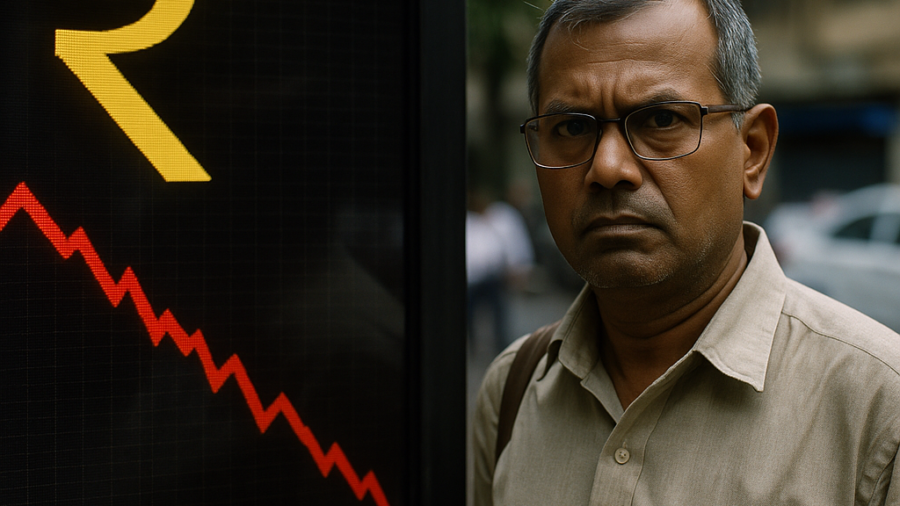
The Indian rupee slid to a historic low of 87.62 per U.S. dollar on Tuesday, its weakest level on record, as mounting pressure from a strong dollar, persistent foreign portfolio outflows, and a widening current account deficit converged to rattle currency markets across South Asia. The move extended a decline of nearly 3.4 percent since the start of the year, pushing the rupee past levels not seen since the currency’s inception in its modern managed-float framework.
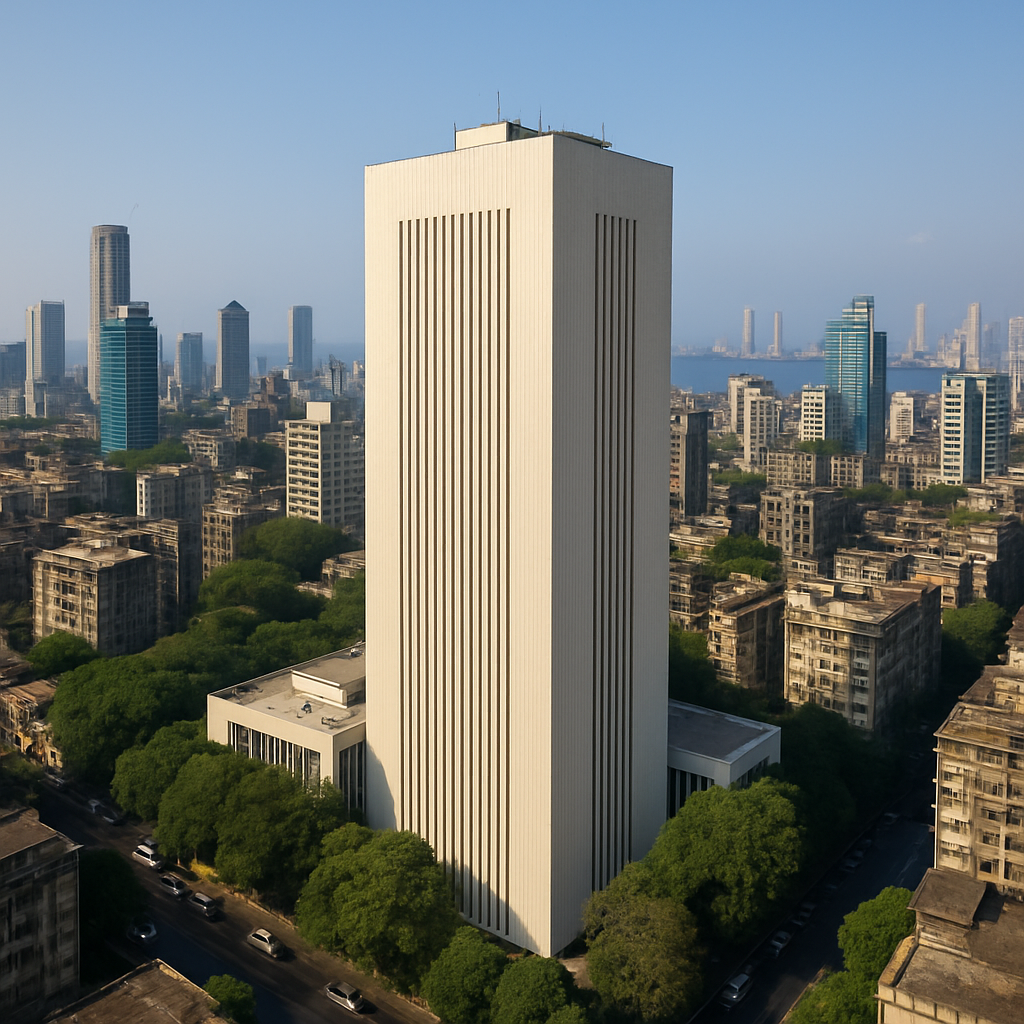
At the center of the storm is a growing policy tension between the Reserve Bank of India and the government of Prime Minister Narendra Modi. Officials within the finance ministry have signaled reluctance to sanction aggressive dollar sales from India’s foreign exchange reserves, which currently stand at approximately $622 billion, arguing that depleting buffers to defend an arbitrary exchange rate level risks sending a counterproductive signal to global investors. The RBI, for its part, has intervened sporadically, selling an estimated $4 billion to $6 billion in the spot market over the past six weeks, but traders and analysts say the pace has been insufficient to meaningfully arrest the decline.
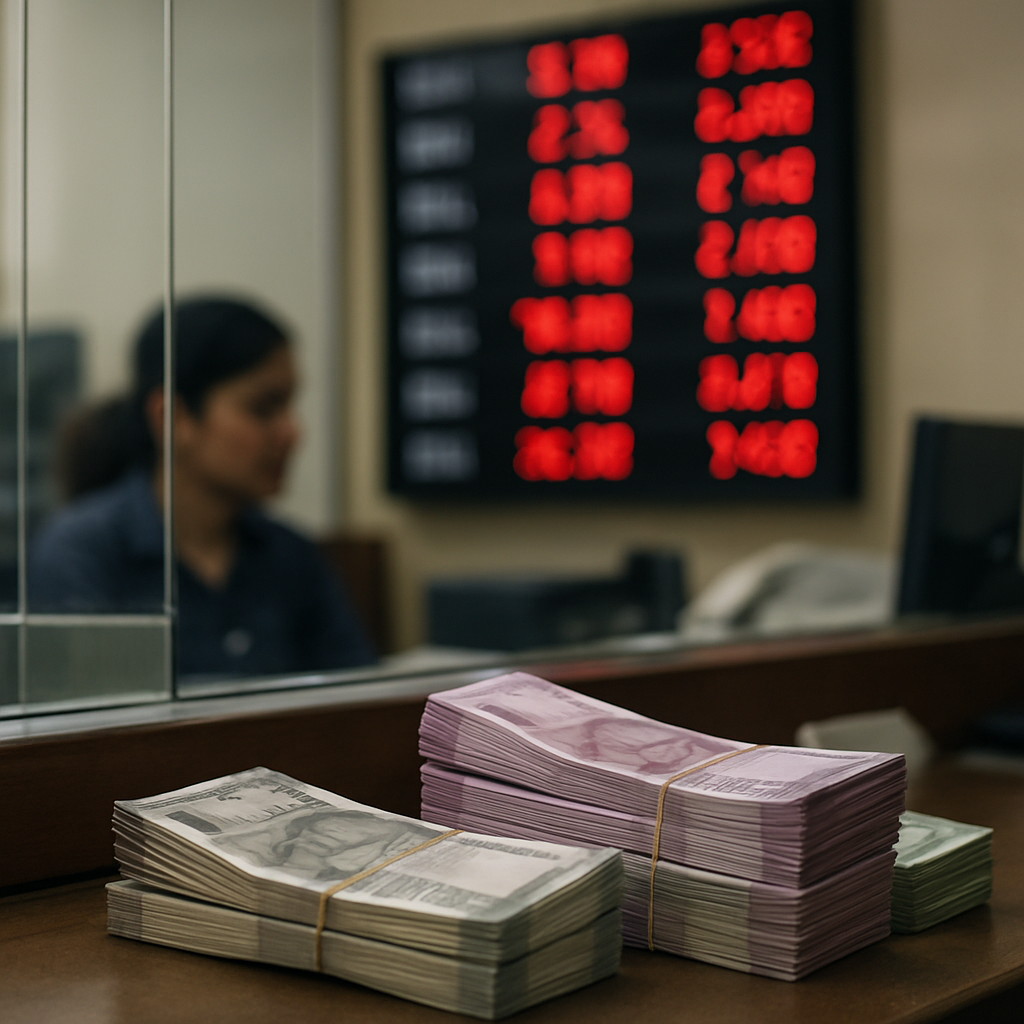
The rupee’s descent is being driven by a confluence of external and domestic forces. Foreign institutional investors have pulled roughly $8.3 billion from Indian equity and debt markets since October, spooked by a resilient U.S. jobs market that has pushed back Federal Reserve rate-cut expectations well into the second half of 2025. Brent crude oil, of which India imports nearly 85 percent of its requirements, has also edged higher toward $83 per barrel, adding further pressure to the trade balance. Domestically, GDP growth has moderated to an estimated 6.4 percent for the fiscal year ending March 2025, a notable step down from the 8.2 percent recorded the prior year.
Currency strategists at major banks warn the rupee could test the 88.50 level if the dollar index, currently hovering near 106.8, extends its rally through the first quarter. “The RBI is managing the pace of depreciation rather than the level,” said one senior economist at a Mumbai-based brokerage who asked not to be identified. “That is a subtle but critical distinction that the market is beginning to price in.” The dynamic mirrors pressures seen across other emerging-market currencies, including the Malaysian ringgit, which has faced similar headwinds from Fed rate expectations and capital outflows.
The political dimension adds another layer of complexity. With state elections on the calendar and inflation running at 5.2 percent on a headline basis, a sharply weaker rupee risks stoking imported inflation at a time when the government is already navigating fiscal consolidation ahead of the full Union Budget. Opposition parties have seized on the currency’s slide as evidence of macroeconomic mismanagement, a charge the finance ministry has firmly rejected. Broader emerging-market currency volatility has also rattled fixed-income investors globally; as noted by BlackRock executives in recent weeks, the hunt for yield in bond markets is growing increasingly complex against a backdrop of dollar strength and geopolitical uncertainty. For now, the rupee’s trajectory will hinge on whether the RBI ultimately blinks — or holds its nerve.