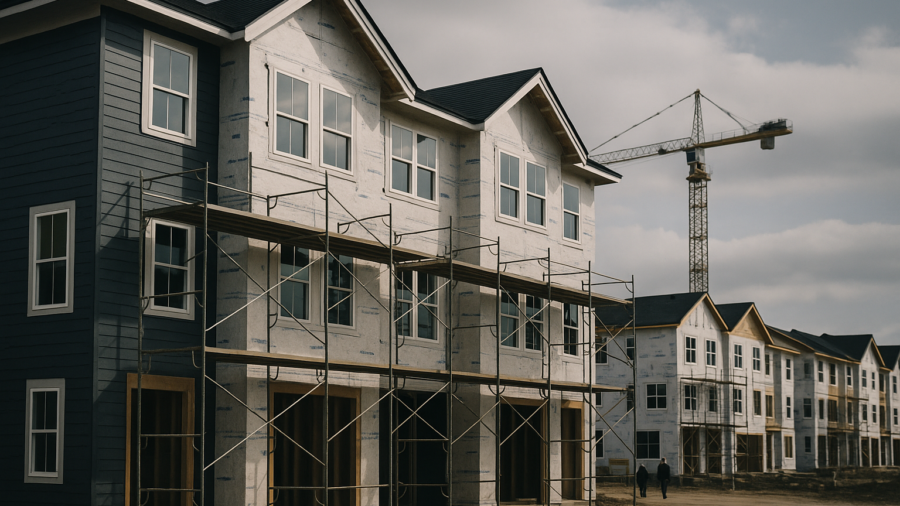
Homebuilders across the United States are responding to weakening demand with outright price reductions in at least ten major metropolitan areas, a sign that the new-construction market is adjusting to the reality of elevated mortgage rates and stretched affordability. According to a MarketWatch analysis, markets in the Sun Belt and Mountain West are seeing some of the steepest discounts as builders work to clear inventory that accumulated during a period of aggressive construction.
The price reductions mark a notable shift from the post-pandemic era, when newly built homes commanded premiums over existing properties and builders had little incentive to negotiate. With the average 30-year fixed mortgage rate remaining above 6.5 percent through much of 2025 and into 2026, monthly payment burdens have kept many would-be buyers on the sidelines, forcing developers to choose between holding inventory and accepting lower margins.
Sun Belt Markets Bear the Brunt of Builder Discounting
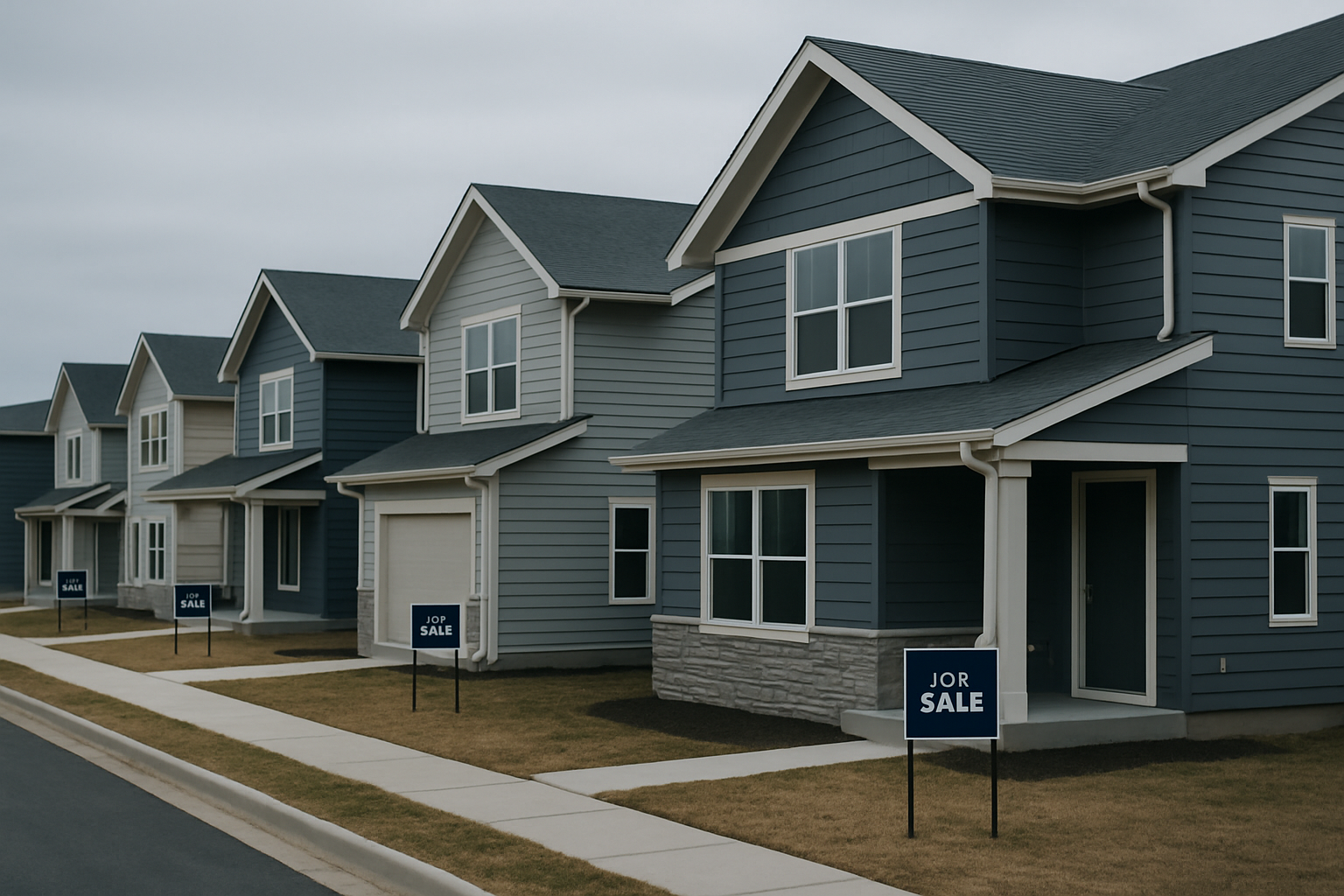
Among the metropolitan areas identified as hotspots for price reductions, cities in Texas, Florida, and Arizona feature prominently. Austin, Phoenix, and Tampa — all of which saw explosive population and construction growth between 2020 and 2023 — are now grappling with inventory surpluses as demand has normalized. Builders in these markets have reportedly cut prices by as much as 5 to 10 percent on select communities, while simultaneously offering incentives such as mortgage rate buydowns and free upgrades that further erode effective selling prices.
Denver and Nashville also appear on the list, reflecting the broader correction taking place in markets that were heavily favored during the remote-work migration wave. In Denver, median new-home prices have softened meaningfully from their 2022 peaks, and builders are reportedly offering concession packages valued at tens of thousands of dollars to close deals. Analysts note that the combination of explicit price cuts and financial incentives creates a more opaque picture of true transaction prices, making official median figures appear more stable than conditions on the ground would suggest.
Builders are also contending with a resale market that remains relatively constrained by the so-called lock-in effect, wherein existing homeowners with sub-4 percent mortgages are reluctant to sell and forfeit their low rates. This dynamic, paradoxically, has reduced competition for new homes while simultaneously limiting the pool of trade-up buyers who might otherwise purchase newly built properties.

Financial Implications for Builders and the Broader Housing Market
The pricing pressure is beginning to weigh on builder profitability. Gross margins across the publicly traded homebuilding sector have narrowed from highs of 30 percent or more in 2022, with several major builders reporting margins in the low-to-mid 20 percent range in recent quarters. Companies such as D.R. Horton, Lennar, and PulteGroup have each acknowledged in earnings calls that incentive costs are elevated and are unlikely to normalize until mortgage rates decline or buyer confidence improves materially.
For prospective buyers, the shift represents a rare window of negotiating leverage in a market that offered little for several years. Financial advisers caution, however, that buyers should scrutinize the total cost of incentive packages and evaluate whether rate buydowns offered by builder-affiliated lenders are priced competitively against independent financing. A buydown that reduces the initial rate but embeds a premium into the home’s purchase price can diminish or eliminate the apparent savings over the life of a loan.
Broader economic conditions are adding complexity to the outlook. Inflation in the United States continues to run above that of other major economies, as The Fiscalist has reported in its coverage of U.S. inflation trends, and that environment complicates the Federal Reserve’s path toward rate cuts that would meaningfully improve housing affordability. Meanwhile, bank earnings have remained resilient despite the strain in consumer-facing sectors, suggesting that financial system stress from the housing slowdown remains contained for now. Whether builders can sustain their current discounting strategy without deeper margin erosion will depend heavily on how quickly the rate environment shifts in the second half of 2026.