
The United States is now carrying the heaviest inflation burden of any Group of Seven nation, a distinction that is drawing scrutiny from economists, policymakers, and trading partners alike. According to a Marketplace report published July 15, 2026, U.S. consumer prices are rising faster than those in Canada, the United Kingdom, Germany, France, Italy, and Japan — a reversal of the post-pandemic narrative that once cast American inflation as a shared global problem rather than a distinctly domestic one.
The data arrives at a politically sensitive moment. The Federal Reserve has spent the better part of two years attempting to wrestle inflation back toward its 2 percent target, yet the latest figures suggest that effort has stalled while peer economies have made more decisive progress. Analysts warn that the divergence reflects structural forces — most notably the sweeping tariff regime introduced earlier this year — that monetary policy alone may be poorly equipped to address.
Tariffs as an Inflation Engine
Economists broadly attribute the widening gap between U.S. inflation and that of its G7 counterparts to the layered import duties imposed on goods ranging from steel and aluminum to consumer electronics and apparel. Unlike a demand-driven inflation surge, tariff-induced price increases are supply-side shocks: they raise costs for importers and manufacturers regardless of whether consumer spending is robust or restrained, limiting the leverage the Federal Reserve can exert through interest rate adjustments alone.
The arithmetic is becoming difficult to ignore. While Germany and Japan have each brought headline inflation down to levels approaching or below 2 percent on an annualized basis, the U.S. figure remains materially higher, with core inflation — which strips out volatile food and energy prices — proving especially stubborn. Retailers have begun passing elevated input costs directly to consumers, and there is limited evidence that domestic producers are absorbing those increases to protect market share. The result is a squeeze that falls disproportionately on lower- and middle-income households, whose budgets are more exposed to price changes in everyday necessities.

A Fed Caught Between Competing Pressures
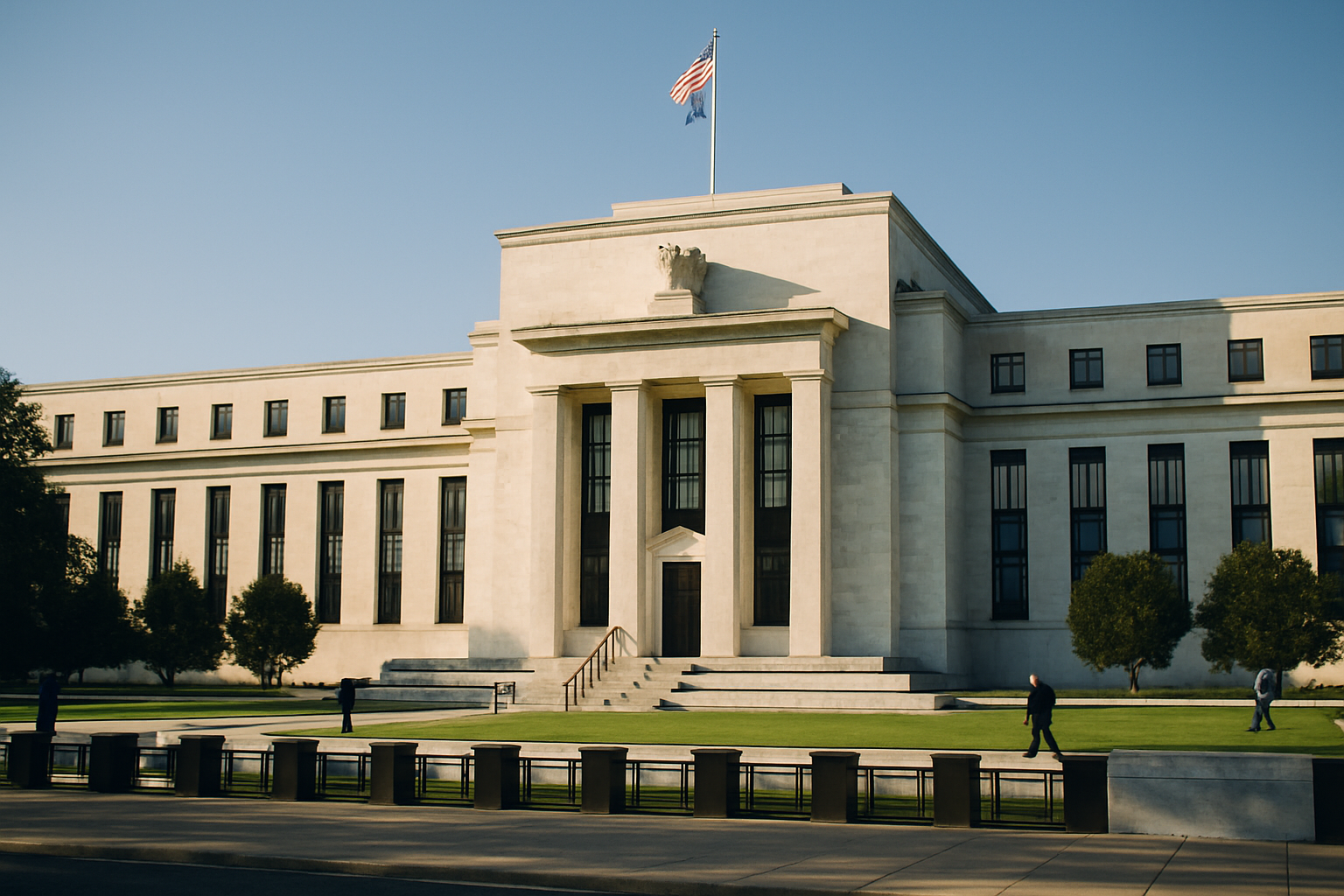
The Federal Reserve finds itself navigating an increasingly uncomfortable position. Rate cuts, which markets had anticipated with some confidence earlier in the year, appear to be receding further into the future as inflation data continues to disappoint. Yet keeping borrowing costs elevated carries its own risks — dampening investment, straining the housing market, and raising the cost of servicing the federal debt at a time when fiscal deficits remain wide. The central bank has given no public indication that it views tariff-driven inflation as outside its mandate to address, but the tools available to it are blunt instruments against a phenomenon rooted in trade policy rather than excess demand.
The contrast with other G7 central banks is instructive. The European Central Bank and the Bank of England have both been able to pivot toward a more accommodative posture as domestic inflation receded, providing a modest tailwind to growth in their respective economies. The Fed, by comparison, remains on hold, and some analysts now argue that U.S. monetary policy could stay tighter than its peers’ well into 2027 if the trade environment does not change materially. That gap in rate trajectories has implications for capital flows, the strength of the dollar, and the competitiveness of U.S. exports — all of which feed back into the broader economic picture that policymakers are struggling to stabilize.
Consumer Confidence and the Road Ahead
Beyond the macroeconomic data, the persistence of elevated prices is beginning to register in consumer sentiment. Households that had briefly experienced relief as gasoline prices moderated are now contending with renewed pressure in grocery aisles, insurance premiums, and service-sector costs ranging from restaurant meals to home repairs. The cumulative effect of two-plus years of above-target inflation means that even if price growth slows meaningfully, consumers are not recovering lost purchasing power — they are simply seeing the same diminished standard of value extend forward in time.
For investors, the implications are equally complex. The prospect of a prolonged period of U.S. rate stability — or even an unexpected tightening — has prompted fresh scrutiny of fixed-income portfolios and dividend-yielding equities. Readers tracking yield-focused investments may also find relevance in the broader income landscape discussed in coverage of ArrowMark Financial, where distribution stability has become a focal point for cautious allocators. Meanwhile, for households weighing large financial commitments, the inflation environment intersects with the already-strained dynamics captured in recent analysis of home affordability metrics, where purchasing power erosion continues to complicate even improved affordability ratios. The path back to price stability for the United States, it appears, runs through decisions made in Washington on trade as much as through decisions made at the Federal Reserve on rates.