Few leaders in the modern Gulf have reshaped a nation’s economic trajectory as dramatically as Sheikh Hamad bin Khalifa Al Thani, who ruled Qatar from 1995 until his voluntary abdication in 2013. His tenure transformed what was once a modest Gulf state reliant on pearl diving and oil into one of the world’s wealthiest nations per capita, a story chronicled in detail by Al Jazeera’s profile of the former emir’s most consequential life moments.
Born in 1952 into the Al Thani royal family, Sheikh Hamad pursued military education at the Royal Military Academy Sandhurst in the United Kingdom before rising through Qatar’s defence establishment. His ascension to power in June 1995 came through a bloodless palace coup against his own father, Sheikh Khalifa bin Hamad, marking a sharp generational break in how the emirate would be governed and, crucially, how its vast natural resources would be leveraged for geopolitical influence.
Monetising Gas Reserves and Building Sovereign Wealth
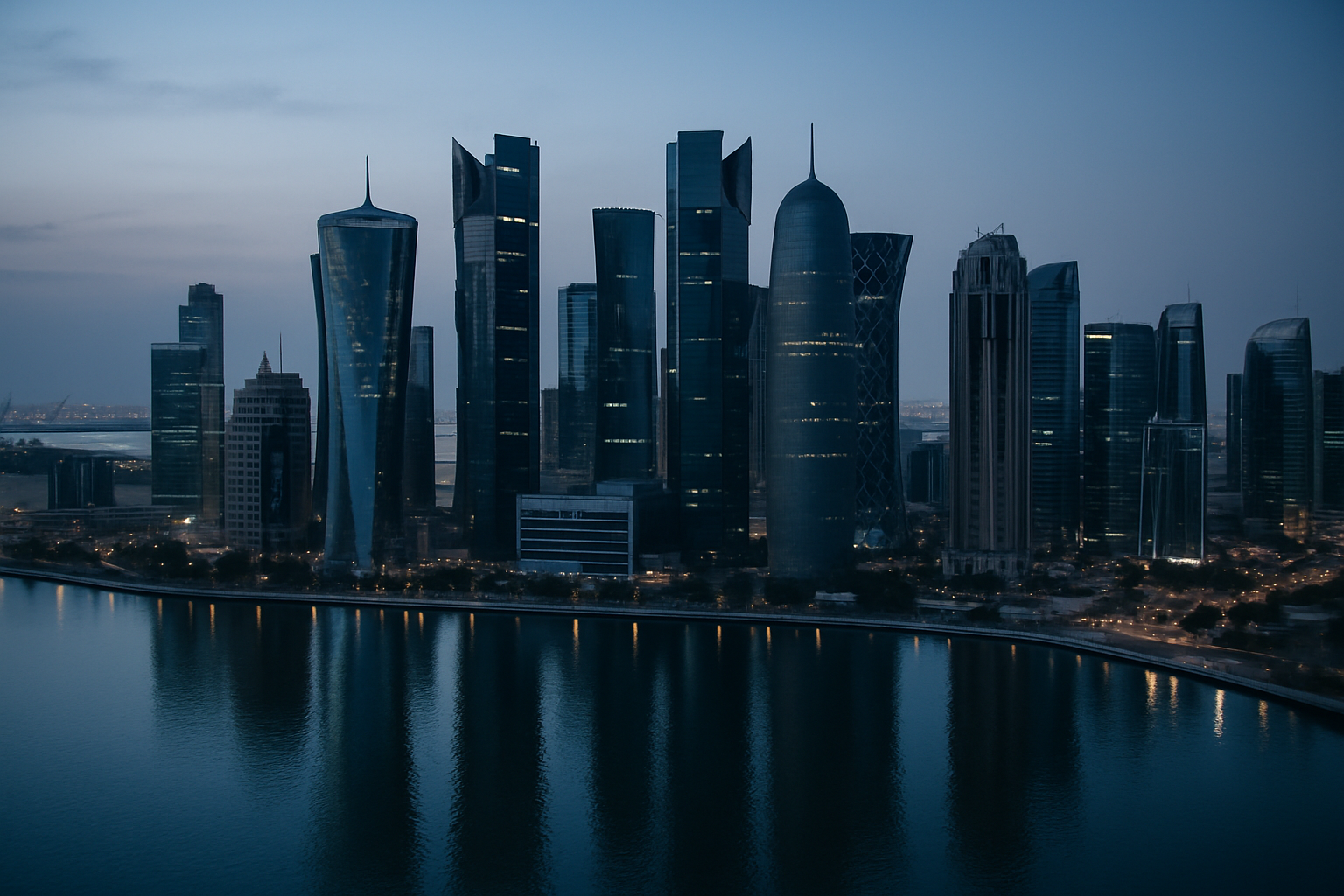
Sheikh Hamad’s most enduring economic contribution was the aggressive development of Qatar’s North Field, the world’s largest natural gas reservoir shared with Iran. Under his direction, Qatar became the planet’s dominant exporter of liquefied natural gas, with LNG revenues underpinning a GDP per capita that by the time of his abdication had risen to approximately $100,000, among the highest recorded globally. The strategy was not merely extractive; Sheikh Hamad simultaneously directed energy revenues into the Qatar Investment Authority, the sovereign wealth fund established in 2005, which grew to manage assets estimated at over $300 billion within a decade of its founding.
The QIA became one of the most active sovereign investors globally, acquiring landmark stakes in Barclays, Volkswagen, and luxury hotel portfolios across Europe. This outward capital deployment was deliberate: Sheikh Hamad sought to insulate Qatar’s wealth from commodity price volatility by diversifying holdings across geographies and asset classes. Domestically, he spearheaded the construction of Education City, a 2,500-acre campus hosting branch campuses of leading Western universities, a long-term investment in human capital that economists and development scholars widely cited as unusual in its ambition for a nation of Qatar’s size.
Media, Diplomacy, and the Al Jazeera Gambit
Perhaps no single institutional decision under Sheikh Hamad’s rule carried more geopolitical consequence than the 1996 founding of Al Jazeera, the Arabic-language satellite news network launched with an initial state grant of approximately $150 million. The channel fundamentally altered the media landscape across the Arab world, giving voice to perspectives and political debates that state broadcasters throughout the region had long suppressed. While its editorial independence generated friction with neighbouring governments, it also elevated Qatar’s soft power profile far beyond what its population of roughly two million citizens might otherwise command.
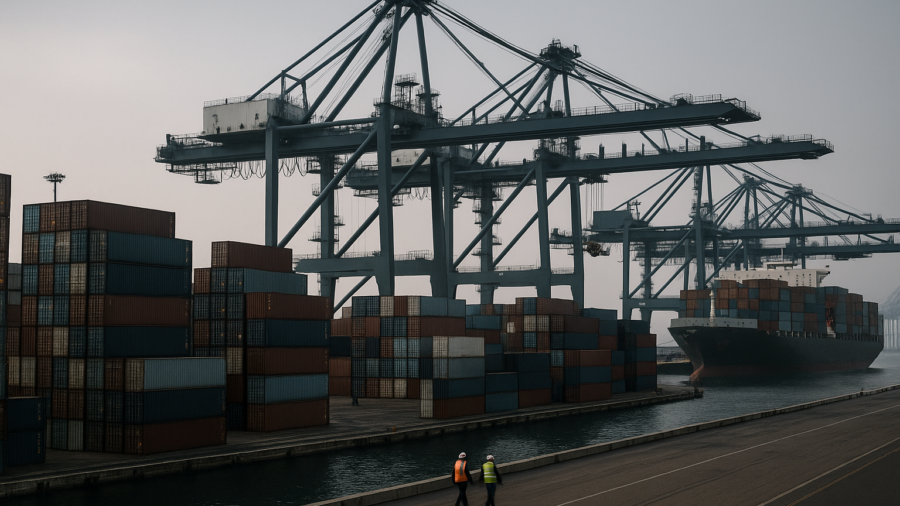
Sheikh Hamad’s diplomatic posture was equally ambitious. He pursued relationships with actors across the ideological spectrum, hosting both United States military installations, including Al Udeid Air Base, and maintaining dialogue with movements such as Hamas and the Taliban. This approach drew admiration from those who saw Qatar as a necessary intermediary and sharp criticism from Gulf neighbours who viewed it as destabilising. The tensions his foreign policy seeded would ultimately contribute to the Gulf crisis of 2017, which erupted years after his abdication, when Saudi Arabia, the UAE, Bahrain, and Egypt severed ties with Doha. The broader regional volatility that his era helped ignite continues to influence Gulf energy markets and shipping routes, dynamics explored in earlier Fiscalist coverage of Gulf shipping disruptions and their commodity market ripple effects.
Abdication and the Question of Enduring Influence
In June 2013, Sheikh Hamad became one of the few Gulf rulers to voluntarily transfer power, handing authority to his son, Sheikh Tamim bin Hamad Al Thani, in a move that observers described as institutionalising orderly succession in a region where leadership transitions are rarely smooth. At the time of the handover, Qatar’s foreign asset holdings exceeded $170 billion, its debt-to-GDP ratio remained negligible, and the country was deep in preparations to host the 2022 FIFA World Cup, a bidding victory secured under Sheikh Hamad’s watch at an eventual estimated cost of over $200 billion in infrastructure investment.
His legacy is contested, as is common with leaders who deploy concentrated power in service of rapid modernisation. Civil society development lagged behind economic growth, and the treatment of migrant workers who built the infrastructure underpinning his transformation agenda drew sustained international criticism. Nevertheless, by conventional financial and strategic metrics, the Qatar that Sheikh Hamad handed to his son was unrecognisably more powerful than the one he inherited. For readers tracking how Gulf state capital deployment intersects with global commodity prices, the natural gas dynamics of 2026 trace a direct line to the infrastructure and export architecture Sheikh Hamad built across his eighteen years in power.