
When news broke that Iranian Supreme Leader Ali Khamenei had been killed, financial markets responded with immediate volatility. Safe-haven assets surged, energy prices gyrated, and risk-sensitive instruments moved sharply in both directions. For investors who acted quickly — or were simply already positioned — the event proved to be a defining moment. According to TheStreet analysis, a $10,000 stake placed in each of four major assets at that precise moment would have produced dramatically different outcomes depending on the vehicle chosen.
The death of a geopolitical figure of Khamenei’s magnitude — the man who had led Iran since 1989 and directed its nuclear ambitions, regional proxy networks, and oil export strategy — sent an immediate signal to commodity and crypto markets alike. Traders recalibrated risk exposures almost instantaneously, and the divergence in asset performance that followed offers a clear window into how modern markets price geopolitical shock.
Safe Havens Led, but Not Equally
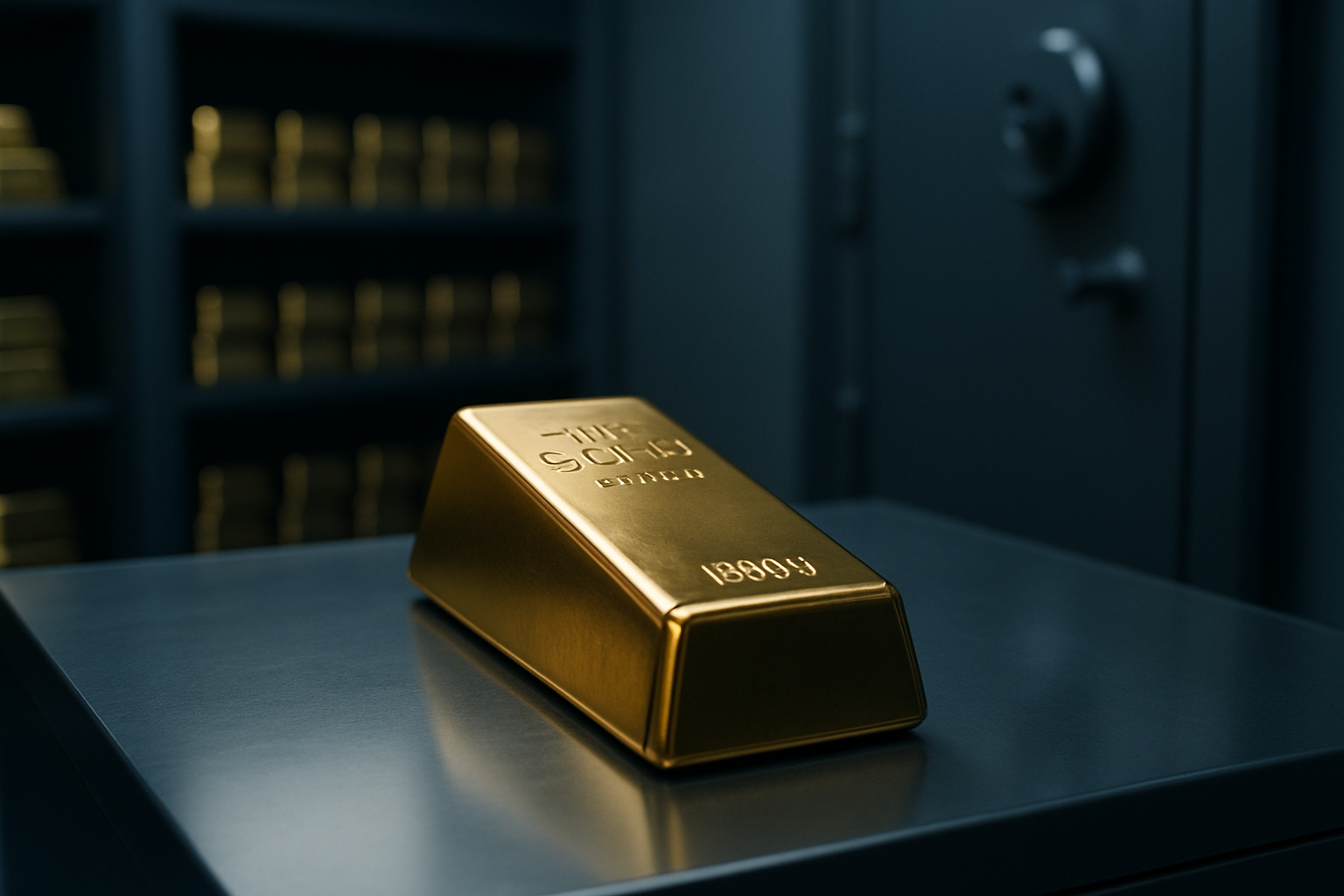
Gold, the traditional refuge during periods of geopolitical upheaval, posted the most consistent gains following Khamenei’s death. A $10,000 investment in gold at the moment the news broke would have grown substantially as the metal pushed toward and beyond record highs, buoyed by both the Middle East shock and persistent macroeconomic uncertainty. Silver, which tends to amplify gold’s directional moves while adding industrial demand dynamics, also climbed but underperformed its more prestigious counterpart on a percentage basis. The TheStreet report notes that silver’s gains, while real, were tempered by concerns about broader industrial slowdown weighing on its dual-use demand profile.
The divergence between gold and silver in this scenario underscores a well-established pattern: in acute geopolitical crises, gold attracts capital faster and retains it longer than silver, which is more sensitive to the economic growth outlook. Investors treating both metals as interchangeable safe havens would have found gold to be the more rewarding position, at least over the period examined. Precious metal demand dynamics have remained elevated across multiple geographies in the months since, a trend explored further in coverage of India’s precious metal retail market, where retail rates held firm even as global sentiment shifted.
Bitcoin Surged While Oil Told a Complicated Story
Bitcoin’s performance in the aftermath of Khamenei’s death proved more volatile but ultimately more rewarding for those with the stomach to hold. The cryptocurrency, which has increasingly been traded as both a risk asset and a geopolitical hedge, initially spiked on the news before consolidating and then resuming an upward trajectory as broader macro tailwinds — including expectations of monetary easing and renewed institutional inflows — took hold. According to the TheStreet report, the $10,000 Bitcoin position would have generated the largest absolute return of the four assets examined, though with commensurately higher intraday risk throughout the holding period.
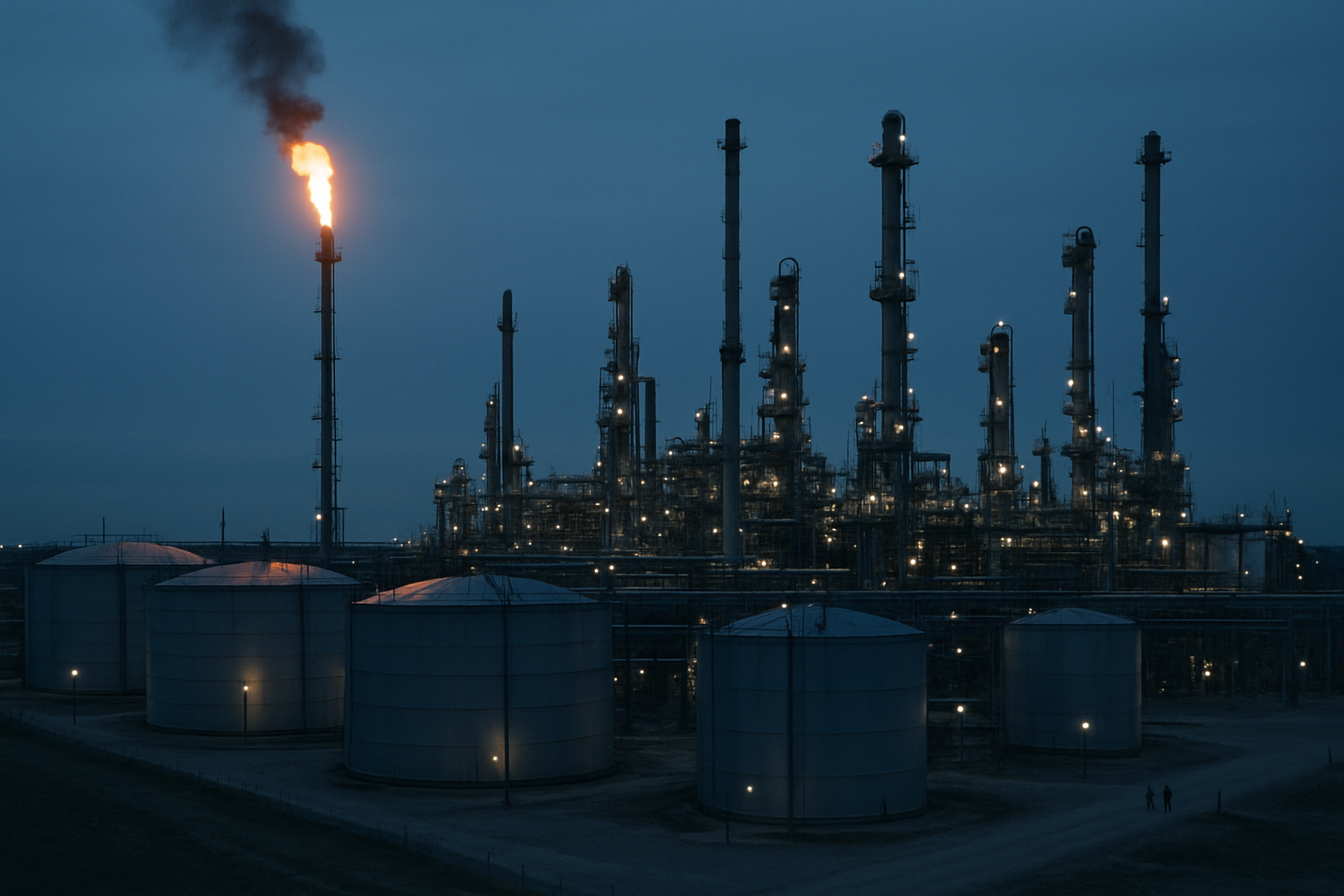
Oil, by contrast, delivered the most unpredictable outcome. Brent crude and WTI both spiked immediately on fears of supply disruption from the Gulf region, but the rally proved short-lived as markets assessed that Iranian output infrastructure remained intact and that no wider regional military escalation materialized in the days following the event. Prices subsequently retreated, and investors who entered the oil trade at the peak of the geopolitical panic would have seen gains erode considerably. The episode reinforces how quickly energy markets discount geopolitical risk once the immediate supply threat fails to crystallize — a dynamic also relevant to the current environment documented in our coverage of pump prices climbing again amid seasonal demand pressures.
What the Divergence Reveals About Crisis Investing
The exercise of tracking a hypothetical $10,000 investment across these four assets is more than a thought experiment. It illustrates the degree to which asset class characteristics — liquidity, store-of-value credentials, supply chain sensitivity, and speculative demand — shape outcomes even when the triggering event is identical for all four. Gold and Bitcoin rewarded holders who could tolerate short-term volatility, while oil punished those who chased the initial geopolitical spike without a clear thesis on sustained supply disruption.
For professional investors, the Khamenei scenario reinforces the value of pre-positioned exposure to genuine safe havens rather than reactive commodity bets. It also highlights Bitcoin’s growing role as a crisis-era asset, even as its correlation with equities and other risk instruments remains inconsistent. Whether this evolving role solidifies into a durable store-of-value consensus remains one of the defining debates in macro investing — and one that will likely be tested again the next time a geopolitical shock rattles global markets.