A Small Claim That Grew Tenfold
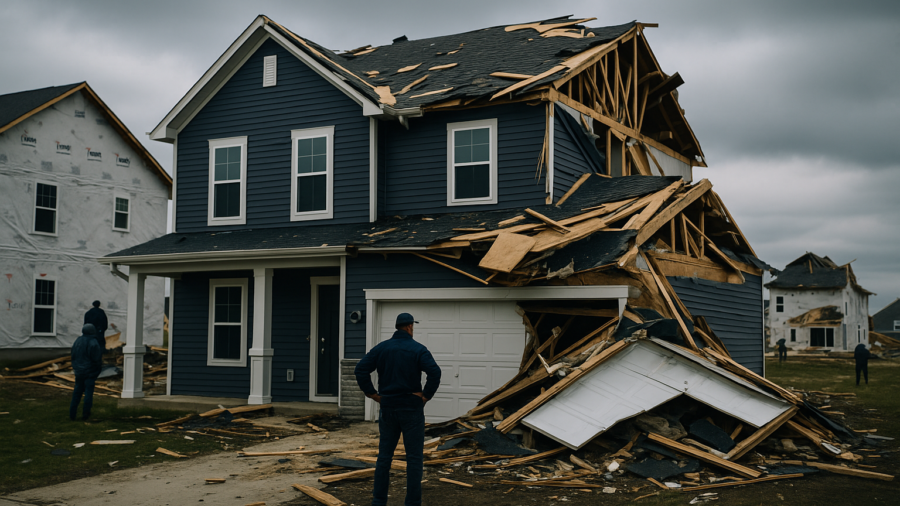
When a homeowner received an initial assessment from their insurance company describing the loss as little more than a few displaced roof tiles, they might reasonably have expected a modest payout. Instead, independent loss adjusters subsequently valued the storm damage at $10,000 — a figure that illustrates just how dramatically official estimates and professional field assessments can diverge, according to a MarketWatch report examining the mechanics behind such discrepancies.
The gap between what insurers initially record and what qualified adjusters ultimately find is not an anomaly. Industry observers note that visual-only or remote inspections — increasingly common in the aftermath of widespread storm events when claims volume spikes — can miss structural compromise beneath surface materials, water infiltration into roof decking, and secondary damage to insulation, fascia boards, and guttering systems. Each of those categories carries its own repair cost that compounds quickly once labour and materials are factored in.

How Assessment Gaps Emerge in Practice
Insurance companies typically conduct a preliminary review using either a desk-based evaluation, aerial imagery, or a brief on-site visit. These methods are designed for efficiency across large claim volumes following regional weather events, but efficiency and thoroughness are not always compatible. When a storm affects hundreds or thousands of properties simultaneously, individual inspections can be curtailed, and adjusters working under volume pressure may document the most visible damage without pursuing a full structural analysis.
Loss adjusters — professionals engaged independently, often at the policyholder’s request or through a public adjusting firm — operate under a different mandate. Their financial incentive, and professional obligation, is to document every eligible item of damage as comprehensively as possible. This includes hidden moisture damage, compromised underlayment, and code-upgrade requirements that modern building regulations may impose when a roof section is repaired. In some jurisdictions, insurers are legally required to bring repaired sections into compliance with current building codes, which can add 15 to 25 percent to base repair costs depending on the age of the property.
The financial stakes at the household level are significant. The average cost of a full roof replacement in the United States currently ranges between $8,000 and $25,000 depending on material, pitch, and regional labour rates. A settlement based solely on a few tiles could leave a homeowner facing thousands of dollars in out-of-pocket expenses for damage that was, in fact, covered under their policy. Policyholders who accept initial settlements without seeking a second opinion may inadvertently waive their right to supplement a claim later, depending on how their policy is worded.
What Homeowners and Financial Planners Should Know
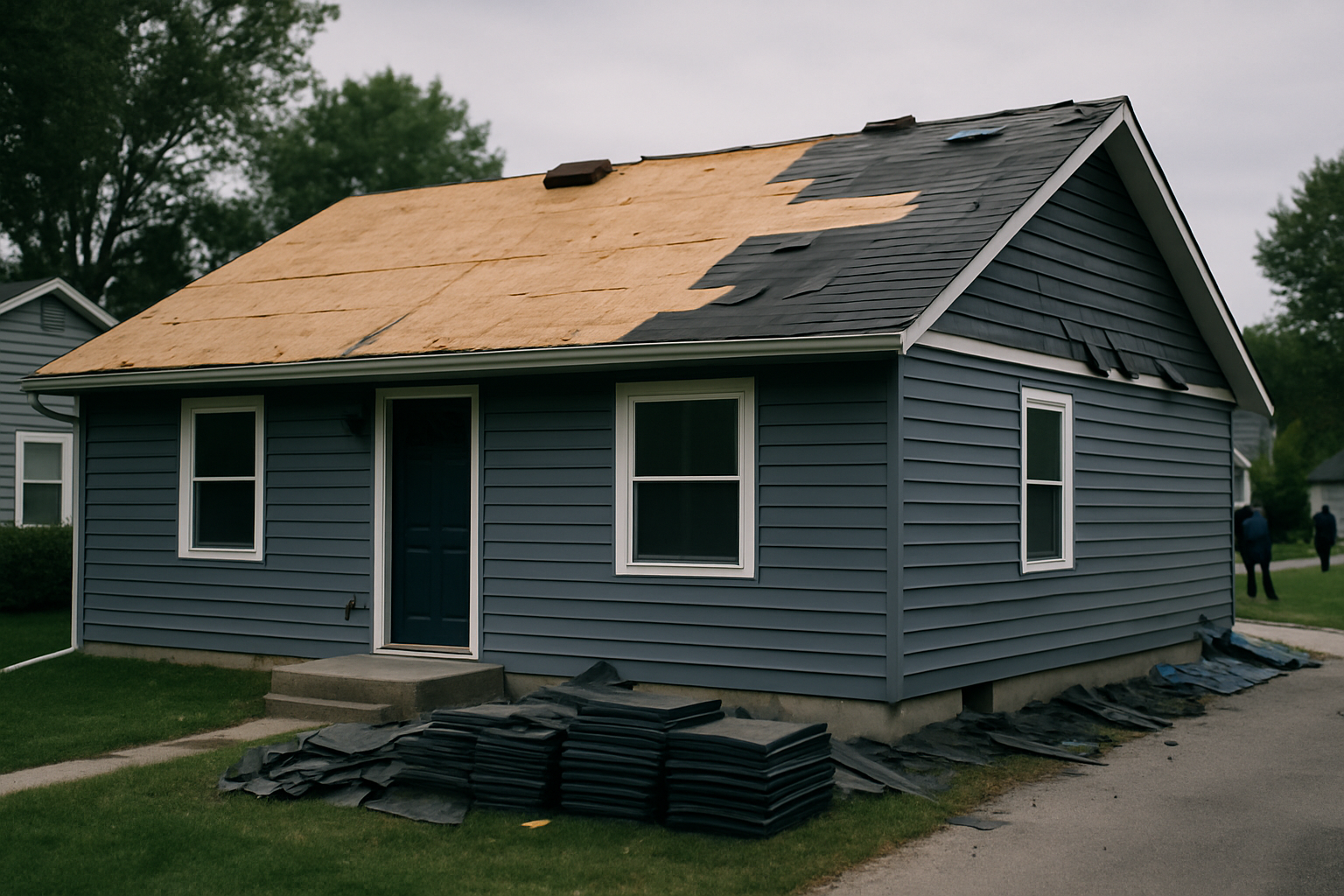
The episode raises broader questions about how homeowners protect their financial position when dealing with property insurers. Consumer advocates consistently recommend that policyholders obtain their own professional inspection before accepting any settlement, particularly following named storms or events where claim volumes are unusually high. Engaging a public adjuster typically costs between 10 and 15 percent of the final settlement, but on a $10,000 claim that fee can be absorbed by the difference between an initial offer and a fully documented payout.
Documentation habits also matter. Insurers recommend that homeowners maintain dated photographic records of their roof and exterior before storm season, providing a clear pre-loss baseline that strengthens any subsequent claim. Policies themselves vary considerably in how they handle actual cash value versus replacement cost value, a distinction that can reduce a settlement by 30 to 40 percent on older roofing materials once depreciation is applied. Homeowners reviewing their coverage would do well to consult our earlier analysis on mortgage refinancing considerations, which addresses the broader financial calculus of maintaining and protecting residential property value in 2026.
For those managing retirement assets alongside property obligations, the intersection of unexpected repair costs and long-term financial planning deserves equal attention. A $10,000 shortfall in an insurance settlement can disrupt near-term cash flow in ways that ripple into savings strategies, a dynamic explored in our piece on Social Security trade-offs for households weighing liquidity against deferred benefit strategies. The lesson from this case is straightforward: the first number an insurer offers is rarely the final word, and engaging qualified professionals to verify that figure is rarely wasted expenditure.