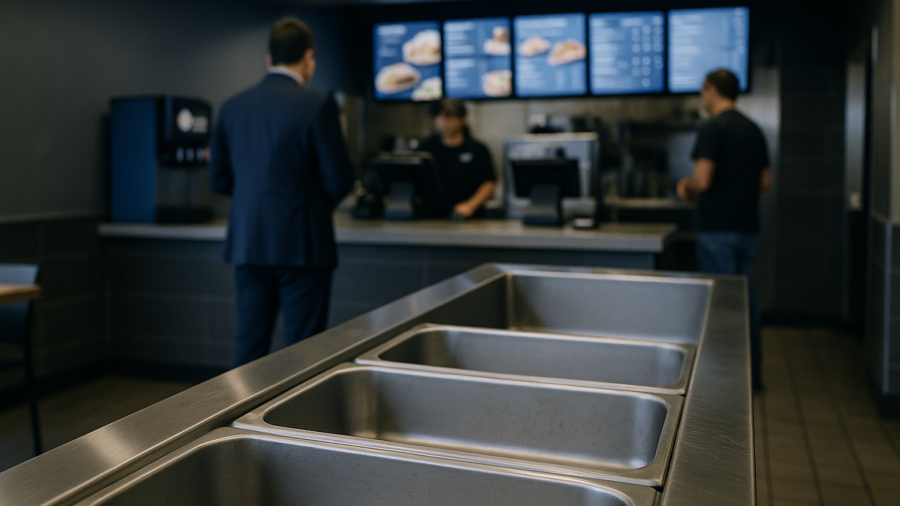
Taco Bell, the Yum Brands-owned fast-food chain that operates more than 8,000 locations across the United States, is pulling fresh produce from a subset of its restaurants, according to a MarketWatch report citing internal communications and customer observations. The move has drawn attention from consumers and analysts alike, surfacing broader concerns about supply chain fragility in the quick-service restaurant sector at a time when food costs remain elevated across the industry.
The decision to remove ingredients such as tomatoes, lettuce, and other fresh items from certain stores appears to be a precautionary or logistical measure rather than a permanent menu overhaul, though the company has not offered detailed public explanations. Customers at affected locations have reported being informed at point of sale that certain toppings are unavailable, a situation that has generated a wave of social media commentary and renewed scrutiny of how major chains manage perishable supply chains.
Supply Chain Pressures Mount Across Quick-Service Sector
The produce withdrawal at select Taco Bell stores is not occurring in isolation. The broader quick-service restaurant industry has faced sustained pressure from agricultural supply disruptions, climate-related growing challenges, and trucking capacity constraints that have periodically interrupted the flow of fresh goods to retail and food service outlets. Tomatoes and leafy greens, in particular, have experienced price volatility over the past two years, with some grower regions reporting yield shortfalls of 15 to 25 percent during adverse weather periods.
Yum Brands, Taco Bell’s parent company, reported system-wide sales exceeding $58 billion across its portfolio in its most recent full fiscal year, underscoring the scale at which ingredient sourcing decisions carry financial consequence. Even modest disruptions to produce availability can affect customer satisfaction scores, average ticket values, and ultimately same-store sales metrics — figures that Wall Street analysts watch closely each quarter. The company has not issued a formal statement quantifying the number of affected stores or the expected duration of the produce pull.
Menu Substitutions and Consumer Reaction Raise Longer-Term Questions
For a brand whose identity is closely tied to customizable, ingredient-layered menu items, the temporary removal of fresh produce carries reputational as well as operational risk. Taco Bell has invested significantly in marketing campaigns that emphasize ingredient freshness and menu flexibility, positioning itself against both traditional fast-food rivals and the growing fast-casual segment. Any sustained reduction in ingredient availability risks undermining that positioning, particularly among younger, health-conscious consumers who represent a core and growing demographic.
Consumer advocacy groups and food industry observers have noted that transparency around supply disruptions remains inconsistent across the fast-food sector. Chains that proactively communicate shortages tend to absorb customer dissatisfaction more effectively than those that allow patrons to discover omissions at the register. Taco Bell has not yet indicated whether it plans to issue broader guidance to customers or franchisees about the scope or timeline of the current produce situation. Franchise operators, who bear direct responsibility for customer experience at the store level, may face particular pressure if the disruption extends beyond a short window. The rising cost of food inputs also intersects with household-level financial strain — a dynamic explored in our recent coverage of household inflation concerns facing American consumers. Separately, the challenge of navigating large-scale regulatory and operational disruptions in consumer-facing industries has drawn attention in our reporting on the FTC repair ecosystem ruling, which similarly illustrates how corporate supply and service decisions ripple through franchise and dealer networks.
Yum Brands shares have shown modest resilience in recent trading sessions despite the news, reflecting investor confidence that the disruption remains contained. Analysts are likely to seek clarification during the company’s next earnings call regarding the breadth of the produce withdrawal, any associated cost offsets, and the contingency sourcing arrangements in place to restore full menu availability across the affected store network.