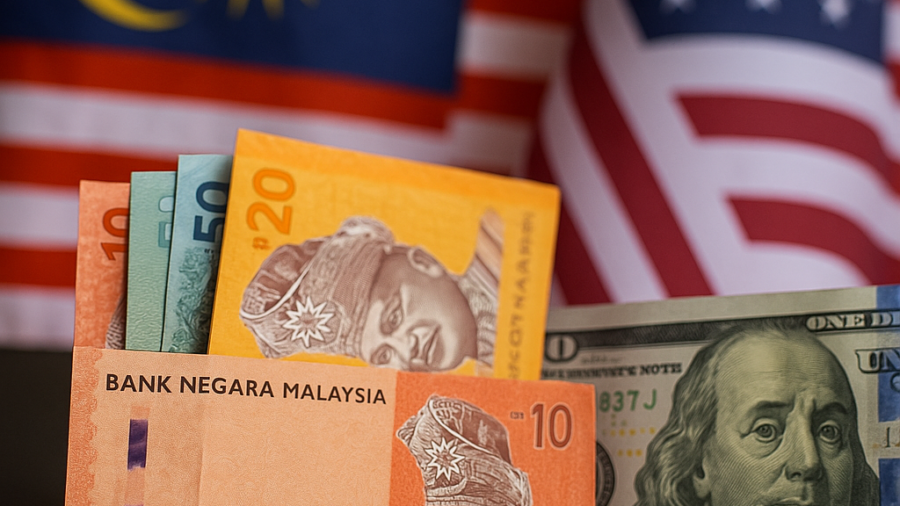
Malaysia is preparing to strengthen its defense of the ringgit as a combination of persistent foreign capital outflows and uncertainty surrounding the United States Federal Reserve’s interest rate trajectory continue to weigh on the Southeast Asian currency, according to officials and market analysts closely monitoring the situation.
Channel News Asia reported that Malaysian authorities are intensifying efforts to stabilize the ringgit, which has faced sustained selling pressure in recent months as investors reassess the timing and pace of potential Fed rate cuts. The currency has shed roughly 4 percent against the US dollar over the past quarter, hovering near levels that have prompted renewed concern among policymakers at Bank Negara Malaysia.
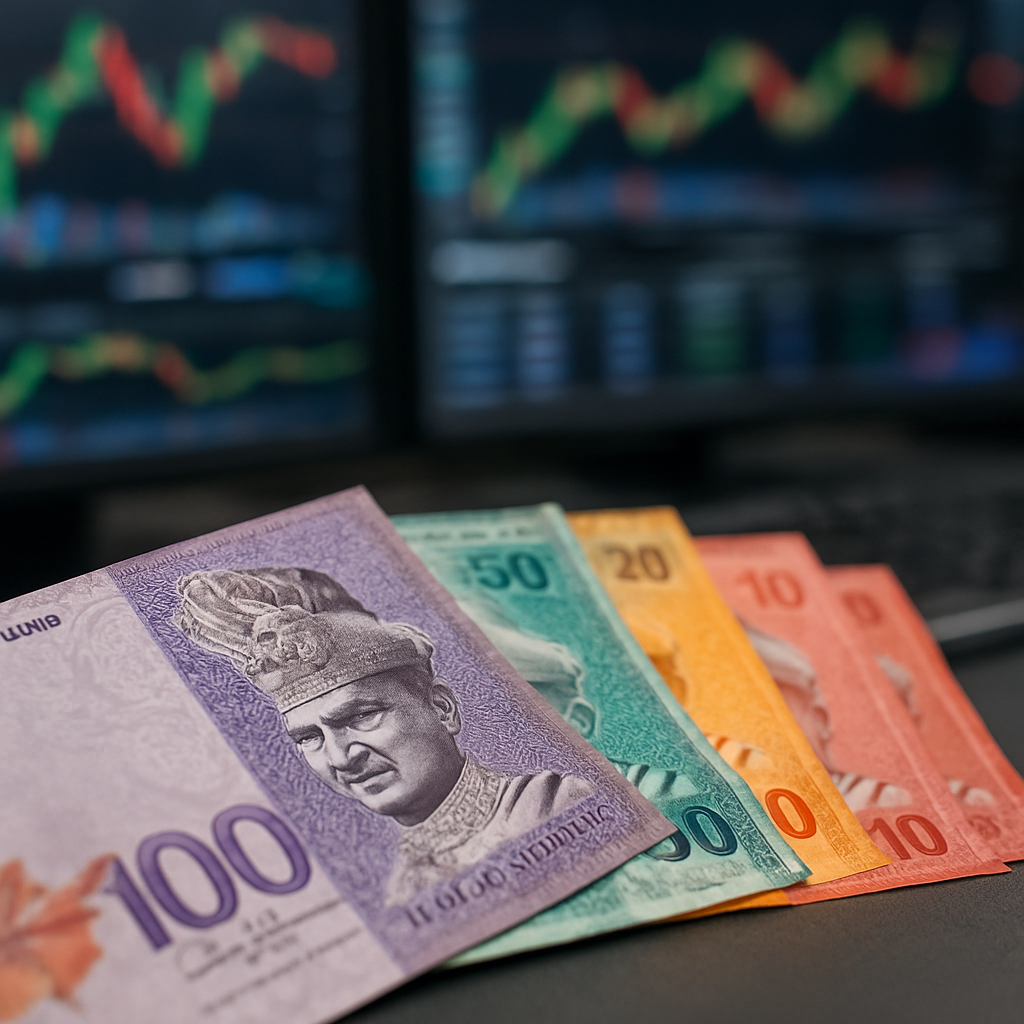
Central bank officials have signaled they will encourage state-linked enterprises and major exporters to repatriate foreign-currency earnings and convert them into ringgit, a measure that has previously been deployed during periods of acute currency stress. Analysts estimate that if large government-linked companies convert even a modest share of their offshore holdings, it could inject several billion ringgit in liquidity into the domestic foreign exchange market, providing meaningful near-term support.
The pressure on the ringgit reflects a broader pattern across emerging market currencies, where the prospect of higher-for-longer US interest rates has driven investors toward dollar-denominated assets. Foreign funds have reduced their holdings of Malaysian government bonds, with net outflows from the domestic bond market reaching an estimated 3.2 billion ringgit in recent weeks. Equity markets have similarly seen non-resident selling, adding to downward pressure on the currency.
Bank Negara Malaysia has maintained its overnight policy rate at 3.00 percent, a level that leaves Malaysian yields at a material discount to US Treasury rates and reduces the carry-trade appeal of ringgit assets. Officials have stopped short of signaling an imminent rate adjustment, instead emphasizing structural measures to attract longer-term capital flows and encourage domestic investment.

The government is also reportedly engaging with sovereign wealth fund Khazanah Nasional and state oil company Petronas to accelerate the conversion of dollar revenues, mirroring a strategy employed during the ringgit’s sharp depreciation episode in late 2023. Economists have explored how emerging economies increasingly deploy such quasi-administrative tools when conventional monetary policy space is constrained.
Investors and portfolio managers watching currency dynamics in Asia have warned that concentrated exposure to rate-sensitive asset classes carries compounding risks during periods of dollar strength, a concern that extends well beyond Malaysia’s borders. For now, Kuala Lumpur’s approach signals a preference for measured intervention over aggressive rate moves, buying time while awaiting clearer signals from Washington on the Federal Reserve’s next policy steps.