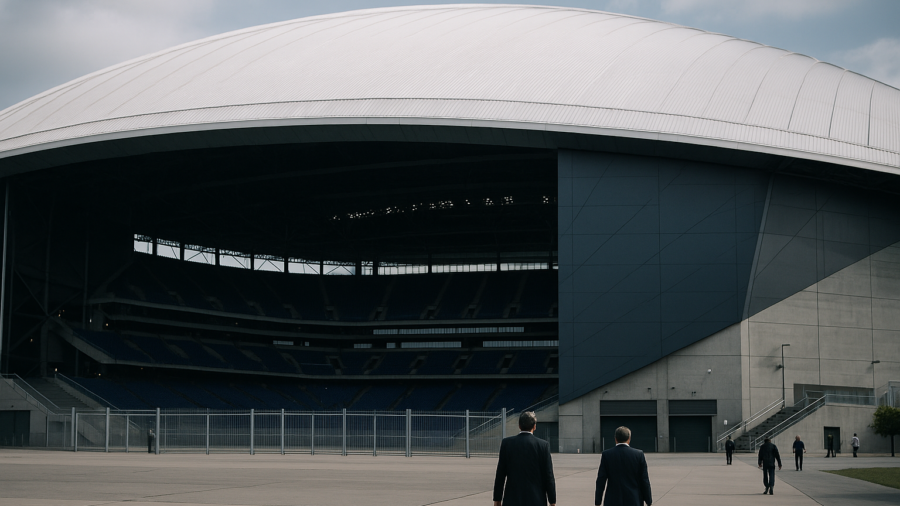
As temperatures across North America climbed to record levels during the opening weeks of the 2026 FIFA World Cup, questions mounted over why tournament organizers failed to incorporate climate-controlled indoor venues into their host stadium roster. With matches played in cities including Dallas, Miami, and Los Angeles — where summer heat indices regularly exceed 100 degrees Fahrenheit — the decision to exclude several fully enclosed, air-conditioned arenas has drawn sharp criticism from public health advocates, sports economists, and fans alike. A Forbes analysis identified five American stadiums that FIFA should have considered as viable alternatives to open-air venues struggling to manage the brutal summer climate.
The financial stakes are significant. Attendance figures at several outdoor venues have reportedly come in below projections, with fan surveys indicating heat as a primary deterrent. Hospitality revenue, a growing share of major tournament income, is particularly sensitive to ambient conditions, as premium suite and concession spending tends to decline sharply when temperatures become uncomfortable. Industry analysts estimate that outdoor stadium discomfort during peak summer heat can reduce ancillary per-capita spending by as much as 20 to 25 percent compared to climate-controlled environments, a material gap when multiplied across dozens of matches and hundreds of thousands of attendees.
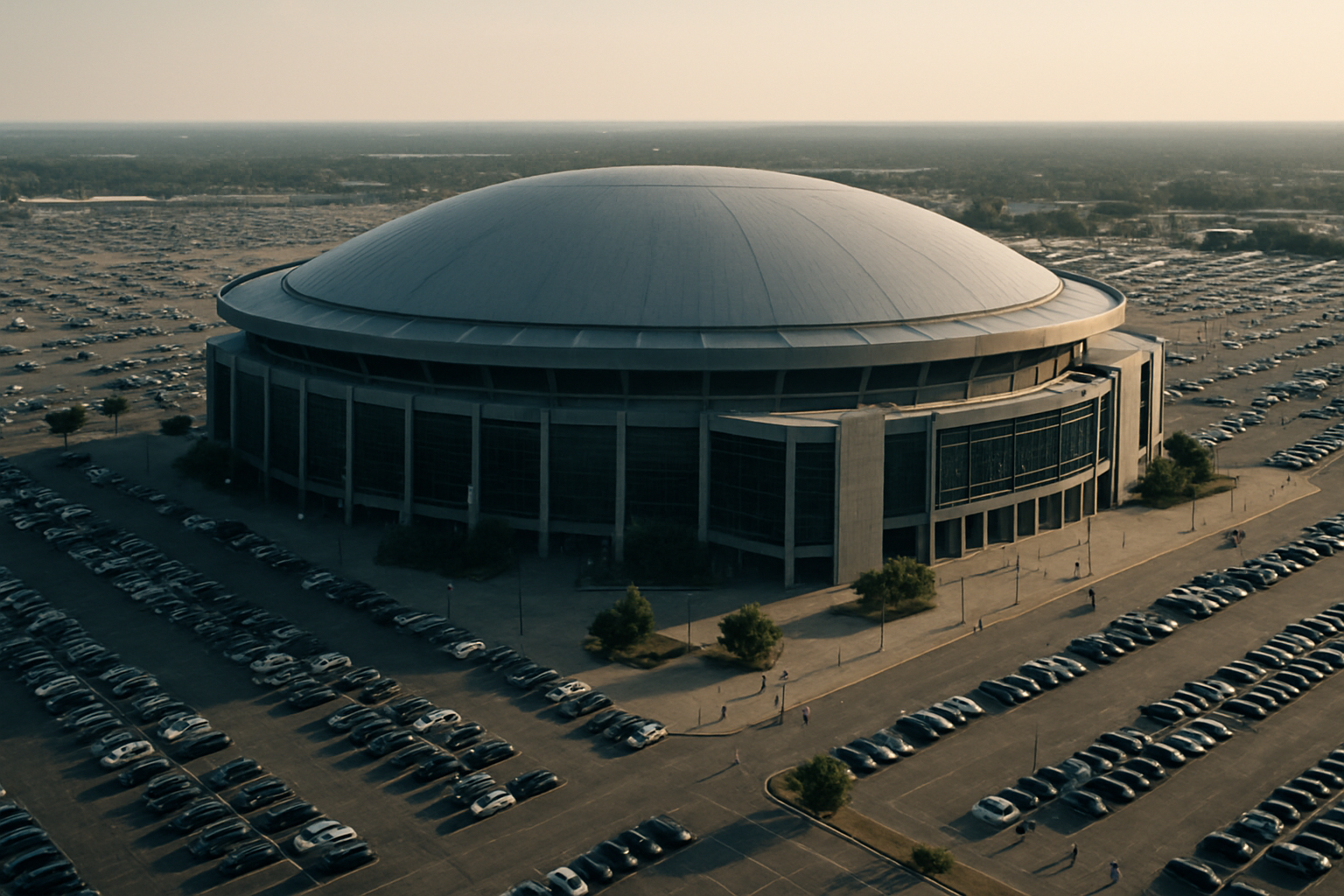
The Case for Domed Venues and What Was Left on the Table
The Forbes report highlights venues including Allegiant Stadium in Las Vegas, SoFi Stadium in Inglewood, and Lucas Oil Stadium in Indianapolis as facilities that combine retractable or fixed roofs with advanced climate management systems capable of maintaining interior temperatures in the low 70s Fahrenheit regardless of outdoor conditions. Allegiant Stadium, completed in 2020 at a construction cost of approximately 1.9 billion dollars, features a fully enclosed design specifically engineered for desert heat. It seats over 65,000 spectators and already hosts major international events. SoFi Stadium, which cost roughly 5.5 billion dollars to build — making it the most expensive stadium ever constructed — offers a translucent roof and sophisticated air circulation technology that has successfully managed Southern California’s summer heat during NFL and concert events.
Critics of FIFA’s selection process argue that the organization applied outdated criteria rooted in traditional open-air football culture, failing to adequately weight climate risk in its host city evaluations. This is particularly notable given that FIFA’s own framework for the 2022 Qatar World Cup revolved almost entirely around heat mitigation, with that tournament controversially shifted to November and December precisely because of summer temperature concerns in the Gulf region. The apparent inconsistency in applying climate standards between Qatar 2022 and the United States, Canada, and Mexico 2026 has prompted calls for a formal review of FIFA’s venue selection methodology ahead of future tournaments.
Economic and Infrastructure Implications of the Oversight
Beyond the immediate tournament, the failure to leverage existing premier indoor infrastructure carries longer-term economic consequences. Venues like Allegiant and SoFi were built with significant public subsidy components and were explicitly positioned by their host cities as engines of large-event tourism revenue. When marquee global events bypass these facilities in favor of open-air alternatives, it undermines the financial rationale that city governments used to justify substantial taxpayer contributions to construction costs. In Las Vegas alone, public financing contributions toward Allegiant Stadium totalled approximately 750 million dollars, a sum premised in part on the venue’s ability to attract the highest tier of international sports and entertainment events.
The broader tournament economics also intersect with a rapidly evolving sports betting and prediction market landscape. As noted in prior Fiscalist coverage of Cup prediction markets, fan engagement and platform trading volumes are closely tied to attendance enthusiasm and overall tournament atmosphere — factors that extreme heat demonstrably suppresses. Meanwhile, sports data and integrity questions connected to the tournament have drawn attention from investors following companies in the sports analytics sector, as examined in our earlier reporting on the Sportradar investigation.
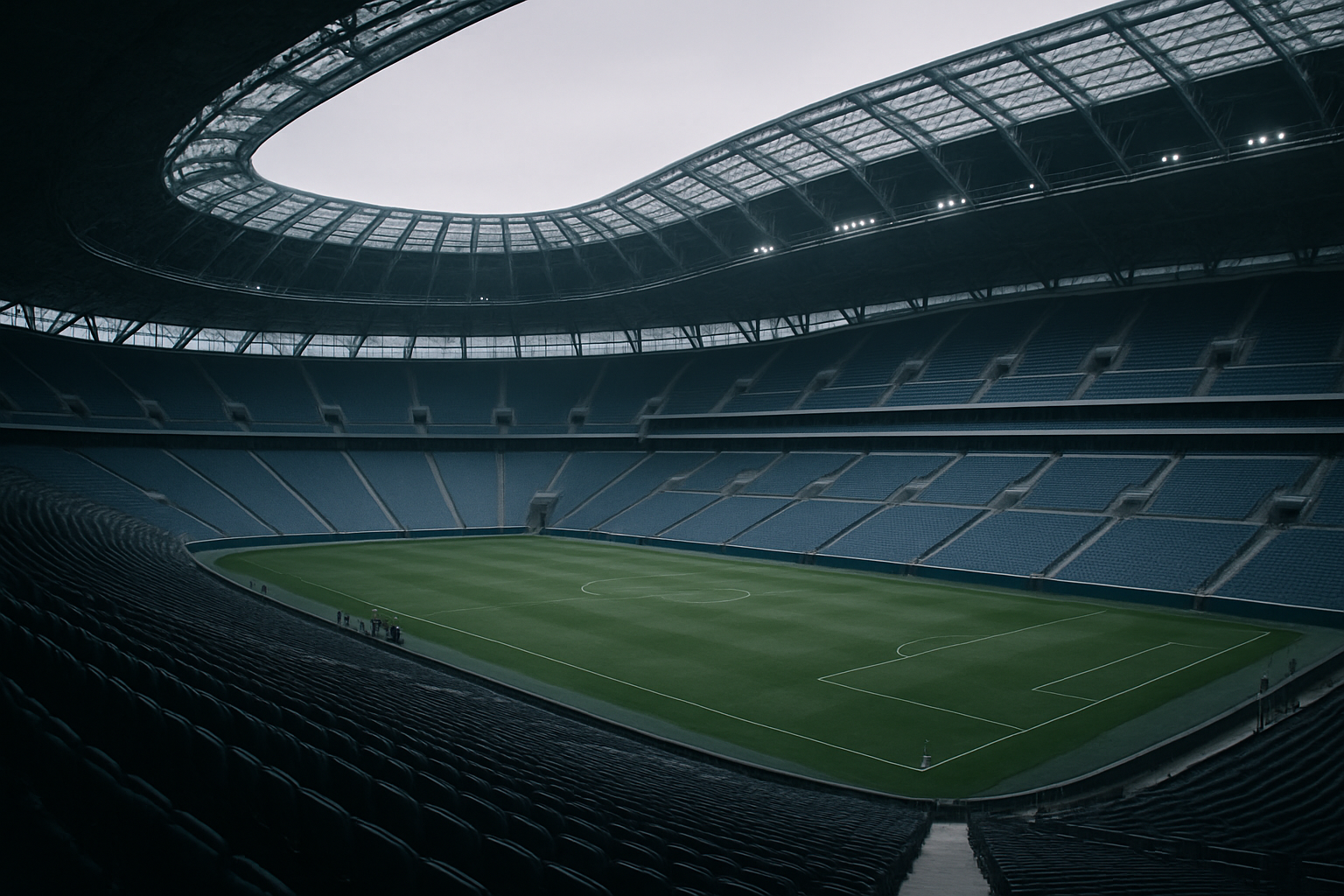
FIFA has not publicly responded to the specific criticisms outlined in the Forbes report, and tournament officials have maintained that all 16 selected venues met required standards. However, with the 2030 World Cup expanding to an even larger roster of host nations and climates, pressure is building on football’s governing body to develop a more rigorous and transparent climate-risk framework for stadium qualification. Whether that process will formally incorporate the lessons of the 2026 summer heat controversy remains to be seen, but the economic case for doing so is increasingly difficult to dismiss.