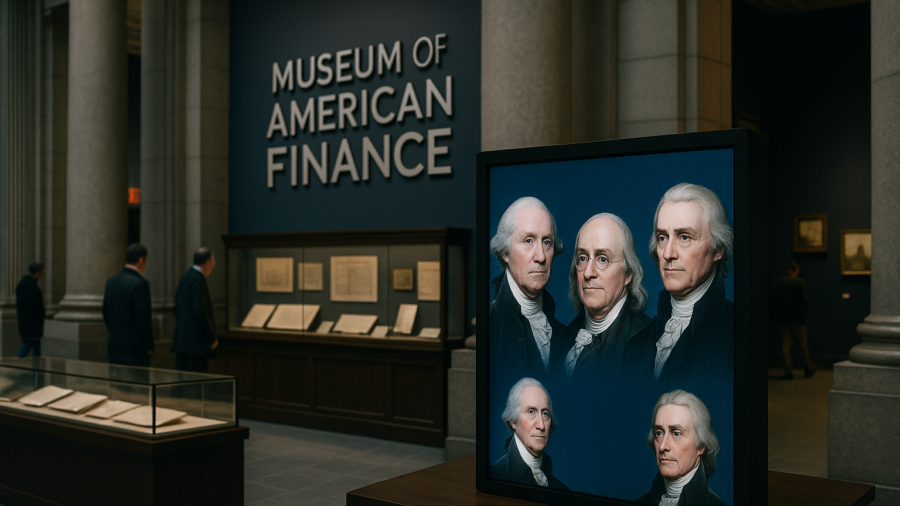
A new institution dedicated to the history of American financial markets has opened its doors in Boston, offering visitors an experience that blends archival depth with cutting-edge artificial intelligence — including the opportunity to hold a live conversation with a digital recreation of Alexander Hamilton, the nation’s first Treasury Secretary and architect of its foundational financial system.
The Museum of American Finance, which relocated and expanded from its previous Manhattan home near Wall Street, officially launched this week in a purpose-built facility in Boston’s financial district. The opening marks a significant moment for public financial education in the United States, a country whose capital markets remain the largest and most liquid in the world, with total equity market capitalisation exceeding 40 trillion dollars.
Hamilton Speaks: The AI Exhibit Redefining Financial Education
The headline attraction is an artificial intelligence exhibit that allows visitors to engage in real-time dialogue with a simulated Alexander Hamilton. Drawing on Hamilton’s extensive written record — including the Federalist Papers, his reports on public credit, and his correspondence — the system is designed to answer questions about monetary policy, debt management, and the early architecture of American banking. Museum officials say the exhibit is aimed at making foundational economic concepts accessible to a broad public audience, including school groups and first-time investors.
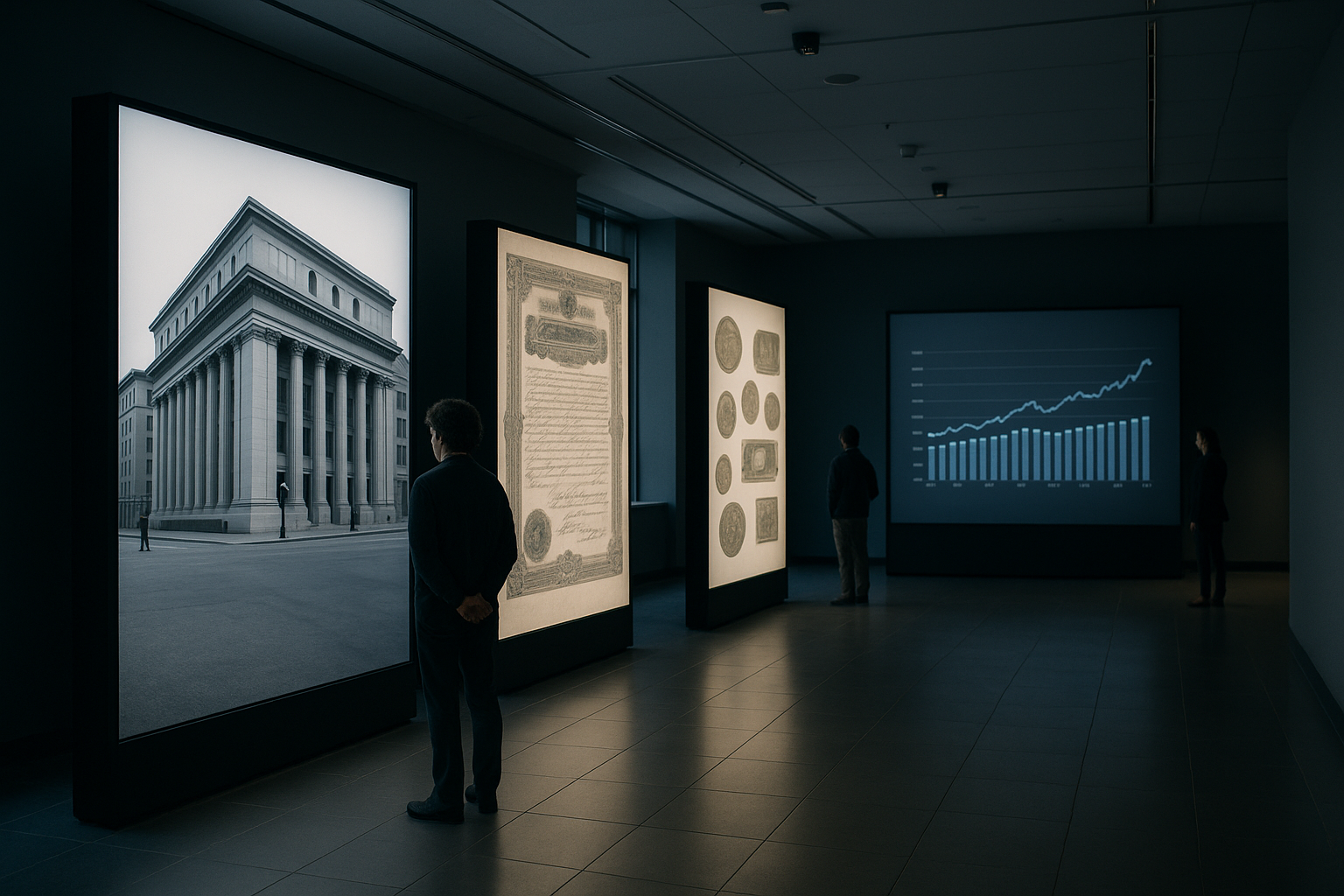
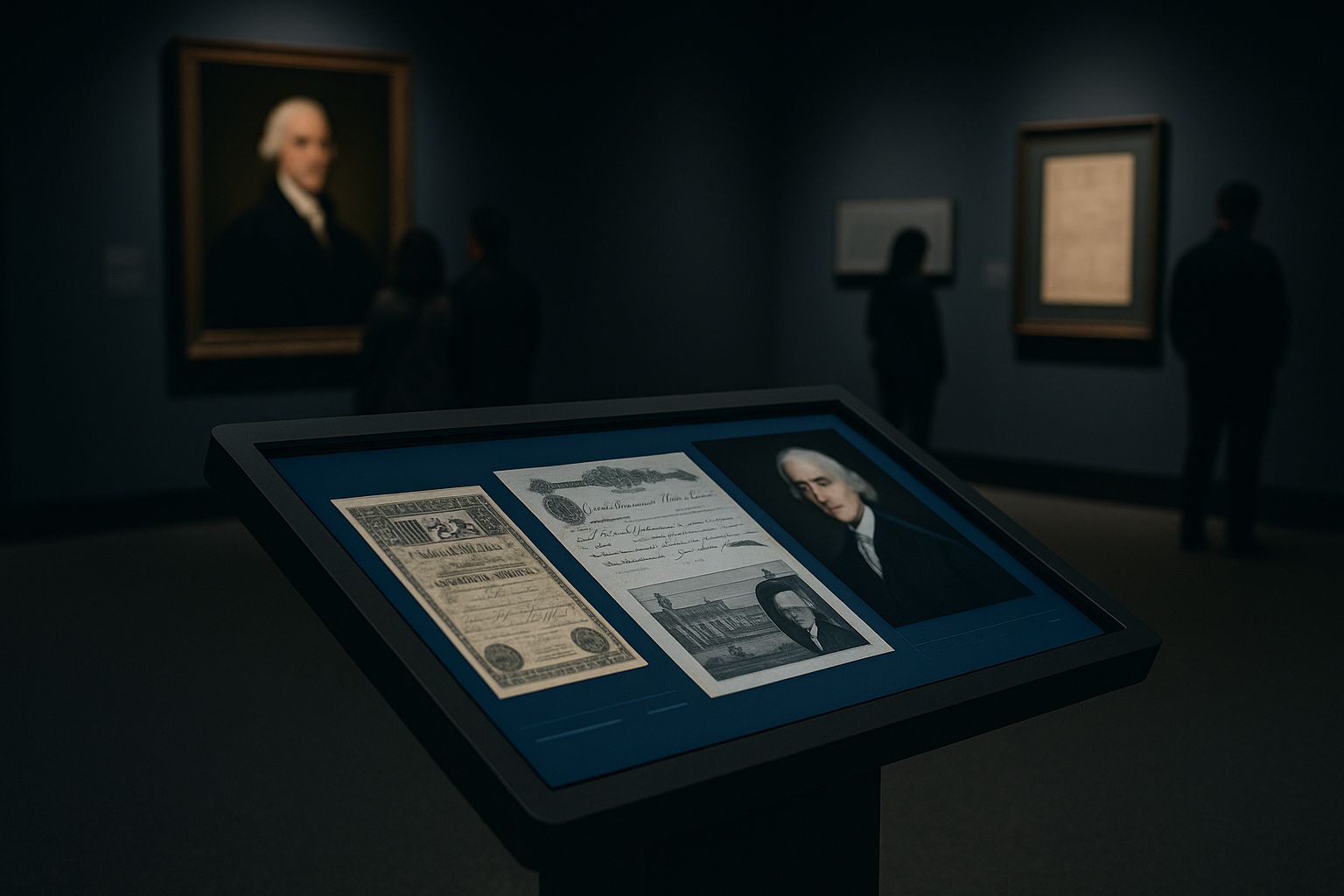
The AI Hamilton is part of a wider suite of interactive installations. Visitors can explore the mechanics of the New York Stock Exchange’s earliest trading sessions, examine original bond certificates from the Civil War era, and engage with simulations of market crashes from 1929 through to the 2008 financial crisis. The museum’s design philosophy leans heavily on experiential learning, with curators arguing that passive display cases are insufficient to convey the emotional and systemic weight of financial history. According to CNBC’s report, the institution has invested substantially in its technology infrastructure to support these immersive features.
Boston as a Financial History Hub
The choice of Boston as the museum’s new home is far from arbitrary. The city has long been regarded as one of the intellectual centres of American finance, home to some of the country’s oldest financial institutions and a dense concentration of asset management firms. The greater Boston metropolitan area currently hosts asset managers overseeing an estimated 4.5 trillion dollars in assets under management, making it one of the top three fund management centres in the United States alongside New York and Chicago.
Museum leadership has indicated that the Boston location offers a larger footprint than the previous New York facility, enabling the permanent collection to be displayed in full for the first time. The expanded space also accommodates a rotating programme of temporary exhibitions, a research library open to academics and the public, and an education centre designed to run financial literacy programmes for students from middle school through to university level. With financial literacy rates in the United States remaining a persistent concern — surveys consistently show that fewer than half of American adults can correctly answer basic questions about compound interest and inflation — the museum’s educational mandate carries real economic weight.
The opening also arrives at a moment of renewed public interest in the history of American monetary institutions, as debates over Federal Reserve independence, digital currency, and the concentration of financial power continue to generate significant political and media attention. For those following the broader evolution of financial technology and digital assets, digital asset expansion globally is reshaping how institutions communicate the value of financial infrastructure to the public. Similarly, efforts to modernise financial access through technology echo themes explored throughout the museum’s permanent collection, a point reinforced by recent reporting on PayPal’s expansion into new payments markets. Admission to the Museum of American Finance is open to the public, with discounted rates available for students and educators.