
A nascent recovery in global oil exports is facing its most serious test in months after Iranian forces launched a series of missile and drone attacks targeting commercial shipping lanes near the Strait of Hormuz, the world’s most strategically critical energy chokepoint. The strikes, which disrupted transit for vessels carrying an estimated 20 percent of the world’s daily seaborne crude supply, have reignited fears of a prolonged disruption to energy markets already struggling with fragile demand and volatile pricing. Brent crude futures climbed more than 4 percent in early trading on Wednesday following news of the attacks, briefly touching $97 per barrel before pulling back slightly. For context on how geopolitical military spending feeds into these energy market pressures, The Fiscalist’s earlier analysis of Israel’s defense budget illustrated how sustained regional conflict reshapes commodity flows far beyond the immediate theater of operations.

The Trump administration responded swiftly, with senior White House officials warning Tehran of “severe economic and military consequences” if attacks on neutral shipping continued. President Trump, who has maintained a policy of maximum pressure on Iran throughout his current term, convened an emergency National Security Council meeting late Tuesday. According to the CNBC Daily Open, markets are also watching closely for any sign that Washington might move to physically escort tankers through the strait, a step that would mark a significant escalation in U.S. naval posture in the Persian Gulf. Diesel futures in Europe surged 3.2 percent overnight, reflecting the acute sensitivity of refined product markets to any sustained interruption in crude flows from the Gulf region.
Strait Vulnerability Exposes Wider Supply Chain Fragility
The Strait of Hormuz handles roughly 17 to 18 million barrels of crude oil per day under normal conditions, a volume that represents a substantial share of global consumption currently estimated at approximately 103 million barrels per day. Any sustained closure or even a partial reduction in throughput would almost immediately tighten global inventories, which had only recently begun rebuilding after two years of drawdowns linked to OPEC production restraint and post-pandemic demand recovery. Industry analysts at several major investment banks noted that the current level of strategic petroleum reserves held by IEA member nations could buffer approximately 60 days of a full Hormuz disruption, though partial disruptions of the kind now unfolding are historically harder to model and often cause disproportionate price volatility.
Iran’s motivations appear linked to broader regional tensions, including renewed sanctions pressure and stalled nuclear negotiation frameworks. Tehran has periodically used threats to Hormuz transit as leverage in diplomatic standoffs, but Wednesday’s attacks marked a rare instance of kinetic action rather than rhetoric. Lloyd’s of London war risk premiums for Gulf routing surged by an estimated 0.35 percentage points within hours of the first confirmed strike reports, a move that could add meaningfully to shipping costs for Asian buyers of Middle Eastern crude who have few alternative supply routes of comparable volume. South Korean and Japanese refiners, both heavily dependent on Gulf barrels, saw their equity valuations slip between 1.5 and 2.8 percent in Asian trading sessions as the news filtered through overnight.
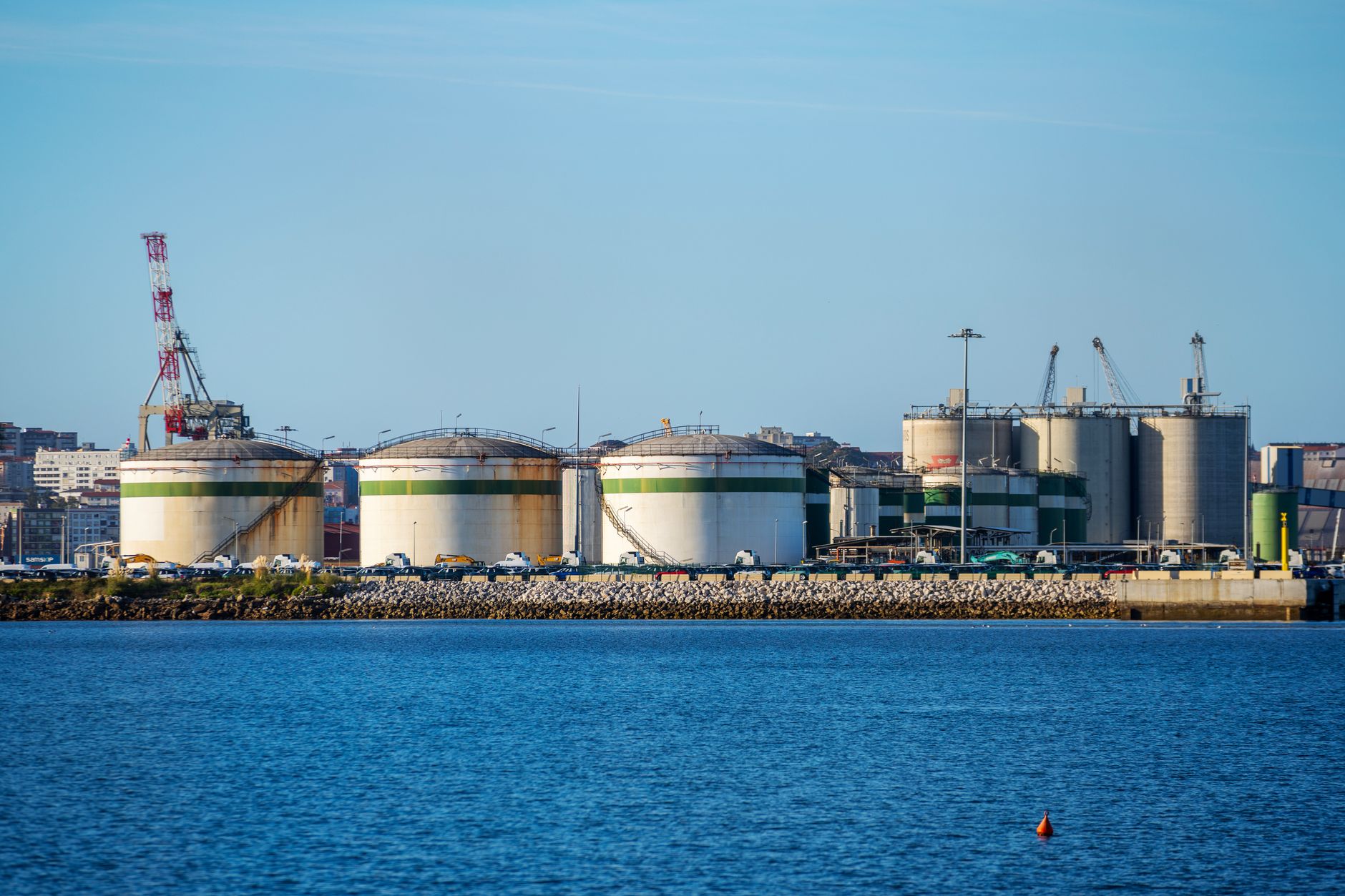
Energy Markets and AI Sector React to Compounding Uncertainty
Wednesday’s market session also carried a secondary story running alongside the energy shock. Anthropic, the AI safety company backed by significant Silicon Valley capital, announced a major infrastructure expansion that pushed data center energy demand projections sharply higher, an ironic juxtaposition with oil market turmoil given that electricity generation in several key markets still relies substantially on gas-fired power. The dual headlines — surging oil prices and accelerating AI energy consumption — reinforced a narrative building among commodity strategists that long-term structural demand for hydrocarbons remains more durable than clean-energy transition timelines imply. The Fiscalist has previously reported on center supply constraints that are already limiting how quickly AI infrastructure can physically scale, adding a further wrinkle to energy demand forecasting.
For investors, the immediate calculus is one of competing risks. Energy equities could benefit from sustained higher crude prices, but prolonged geopolitical instability introduces freight, insurance, and counterparty risks that erode margin gains for integrated oil majors. Meanwhile, the broader equity market faces renewed inflationary pressure if diesel and jet fuel costs remain elevated heading into the Northern Hemisphere winter demand season. Economists at several institutions revised their Q4 inflation forecasts upward by between 0.2 and 0.4 percentage points in light of Wednesday’s developments, a shift that complicates the rate-cutting calculus for central banks already navigating sluggish growth. The Hormuz situation, analysts widely agree, will require either a rapid diplomatic de-escalation or a credible U.S. naval deterrent to prevent oil markets from entering a more sustained risk premium environment before year-end.