
Nokia’s chief executive warned this week that chronic supply chain bottlenecks are severely throttling the pace of global data center construction, telling investors that facilities powering the artificial intelligence boom could be built at roughly twice the current speed if component shortages were resolved. The comments highlight a growing tension between surging grid pressure on infrastructure and the physical limits of the supply chains underpinning it, and arrive as hyperscalers race to commission capacity before competitors do.
According to a CNBC report published Monday, Nokia CEO Pekka Lundmark made the remarks in the context of the company’s expanding role supplying networking equipment to large-scale data center operators across North America, Europe, and Asia. Lundmark indicated that demand from that segment has consistently outpaced Nokia’s ability to fulfil orders at the speed clients require, with procurement delays on specialised optical and switching hardware adding weeks or months to project timelines that operators are already straining to compress.
Bottlenecks Reach Beyond Chips
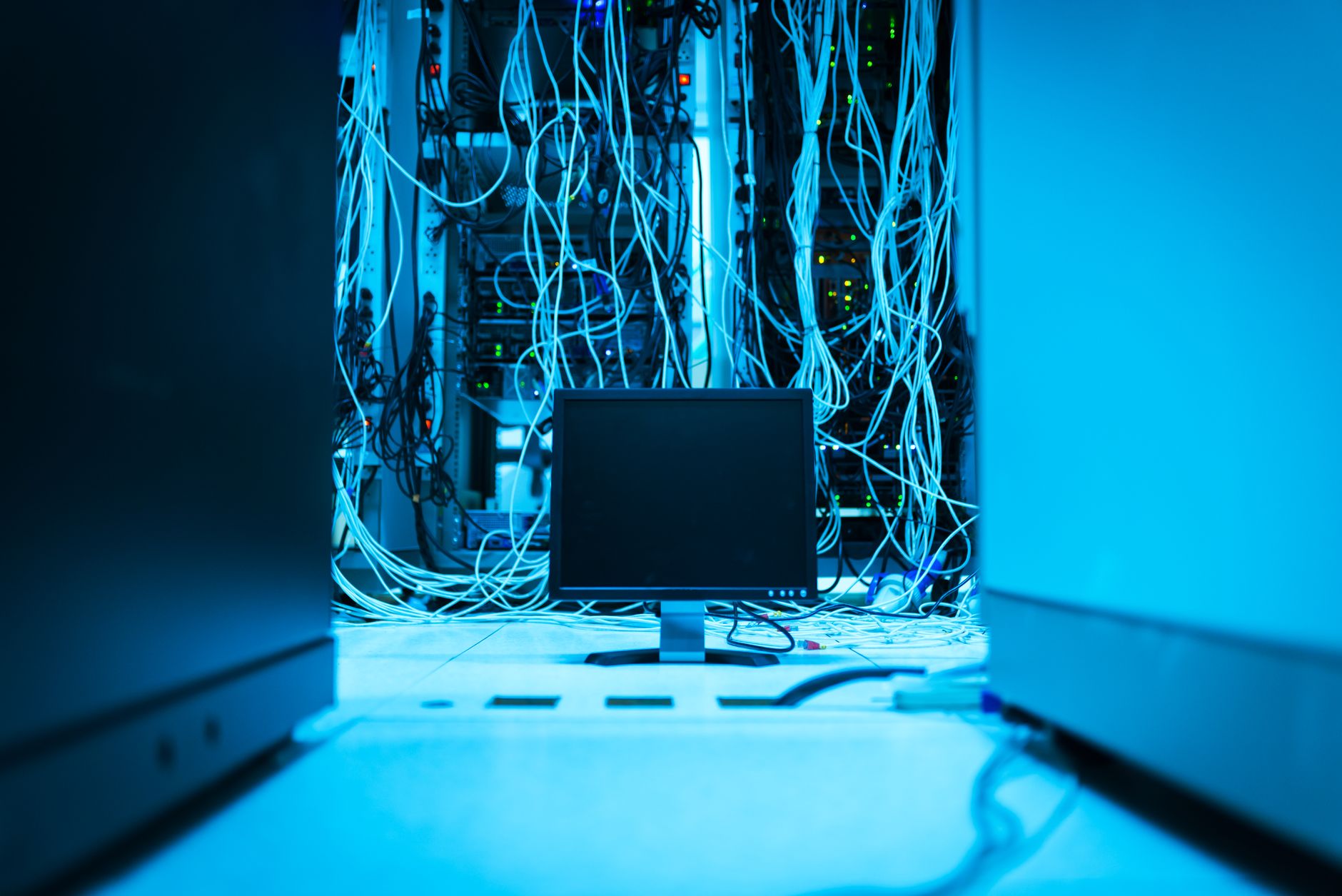
While much of the public conversation around AI infrastructure constraints has focused on graphics processing unit shortages — a problem that dominated headlines through much of 2024 and 2025 — Lundmark’s remarks point to a broader and less-discussed layer of the supply chain. Networking infrastructure, including high-capacity optical transceivers, routing switches, and fibre interconnects, has become a chokepoint in its own right as operators attempt to link thousands of accelerator chips into coherent, low-latency compute clusters.
Industry analysts have estimated that networking hardware can represent between 15 and 25 percent of total data center capital expenditure at scale, a share that rises meaningfully when facilities are designed for dense AI training workloads rather than conventional cloud computing. Delays in that category, even measured in weeks, can cascade into commissioning setbacks that push back revenue recognition for operators by a full quarter or more. Nokia, which repositioned aggressively toward enterprise and data center networking after shedding its handset legacy, has sought to capitalise on that demand shift, though Lundmark’s candid acknowledgment suggests the company itself is navigating the same procurement pressures it is describing.
Nokia’s Positioning Amid the AI Infrastructure Wave
The disclosure lands at a moment when Nokia’s equity story has attracted renewed attention from prominent market voices. Jim Cramer, writing via TheStreet, has strongly recommended Nokia to retail investors, framing the Finnish company as an undervalued legacy technology name that has quietly rebuilt itself into a credible infrastructure play for the AI era. Cramer’s endorsement echoed a broader rotation into network equipment names that gathered pace through the third quarter of 2026, as investors looked beyond semiconductor leaders to identify secondary beneficiaries of data center capital spending.
Nokia’s share performance has reflected that repositioning. Tech stocks broadly advanced through mid-September, with major U.S. indexes logging gains led by infrastructure and semiconductor names, according to market data tracking that session’s moves. Nokia was among the names cited in that broader rally, benefiting from investor appetite for companies with direct exposure to data center build cycles rather than speculative AI application layers.
Lundmark’s supply constraint comments, however, serve as a reminder that the revenue opportunity is not without friction. Until component availability catches up with demand, Nokia and its peers face a paradox: the pipeline of orders is strong, but the ability to convert those orders into shipped product and recognised revenue remains constrained by factors largely outside any single manufacturer’s control. For investors pricing in a sustained infrastructure supercycle, that gap between stated demand and actual delivery capacity is a material variable worth tracking closely through the remainder of fiscal 2026 and into the year ahead.