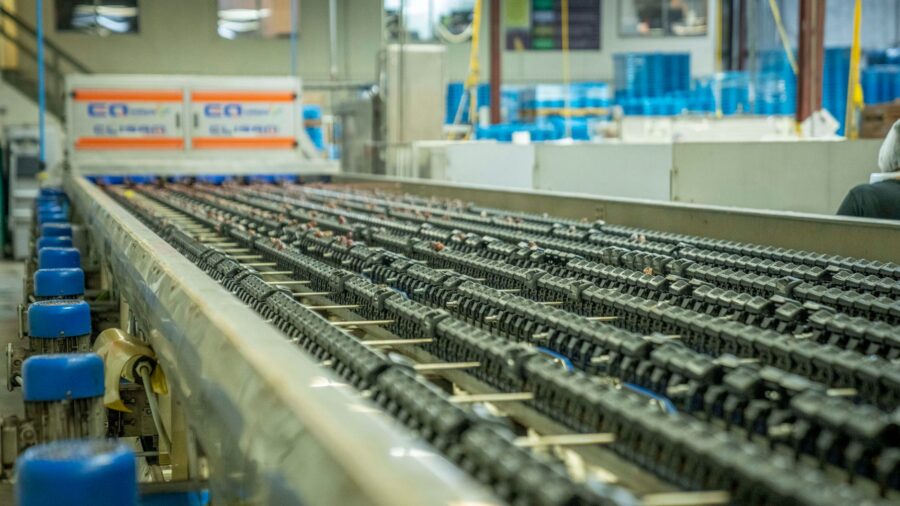
Taiwan Semiconductor Manufacturing Company, the world’s largest contract chipmaker by revenue, is evaluating sites in Texas for a second major U.S. manufacturing hub, according to a MarketWatch report citing sources familiar with the discussions. The move would significantly expand TSMC’s domestic footprint beyond its existing Arizona operations and underscores the accelerating race among governments and chipmakers to localize semiconductor supply chains. The potential second campus reflects both commercial demand and sustained political pressure from Washington to reduce dependence on Asian chip production.
The development arrives at a pivotal moment for the global semiconductor industry, where policymakers and corporate strategists are increasingly converging on the view that geographic concentration of chipmaking capacity poses an unacceptable economic and national security risk. TSMC currently supplies chips to virtually every major technology company in the world, including Apple, Nvidia, and AMD. For context on how aggressively the AI and computing sector is competing for advanced chip capacity, see our earlier coverage of the AMD acquisition of spatial AI pioneer World Labs, a deal that signals how deeply chip access shapes competitive strategy across the technology industry.
Arizona Foundation and the Push Into Texas
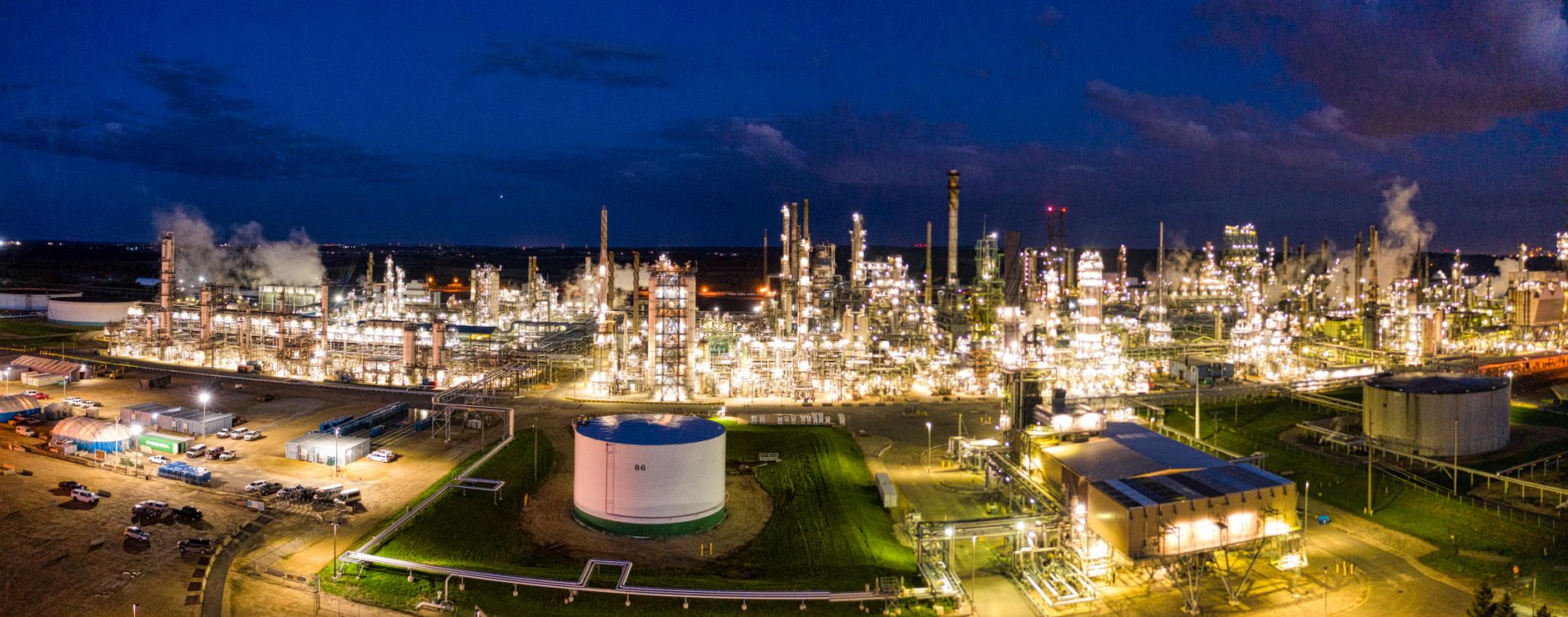
TSMC’s existing U.S. presence centers on its multibillion-dollar campus in Phoenix, Arizona, where the company has committed to investing more than $65 billion across three planned fabrication plants. The first of those facilities began production of 4-nanometer chips earlier this year, marking the most advanced semiconductor manufacturing to take place on American soil. A second fab targeting 3-nanometer processes is under construction, with a third facility intended to produce 2-nanometer chips announced in subsequent phases of expansion.
A Texas location would complement rather than duplicate the Arizona campus, according to sources cited in the MarketWatch report. Texas already hosts a mature ecosystem of semiconductor-adjacent businesses, including major chip design centers operated by Texas Instruments, NXP Semiconductors, and Samsung, which itself runs a fabrication facility in Taylor, roughly 30 miles northeast of Austin. Industry analysts have noted that Texas offers competitive advantages including relatively lower land and energy costs, a favorable regulatory environment, and proximity to a deep pool of engineering and technical talent drawn from universities across the state.
Federal Incentives and Geopolitical Calculus
The CHIPS and Science Act, signed into law in August 2022, allocated approximately $52 billion in subsidies and tax credits to encourage domestic semiconductor manufacturing, with the Commerce Department administering grants to qualifying projects. TSMC has already secured a preliminary agreement for up to $6.6 billion in direct CHIPS Act funding for its Arizona operations, and any Texas expansion would likely require a separate application and federal review process. The scale of public subsidy available has been a decisive factor in persuading foreign chipmakers to absorb the significantly higher capital costs associated with building and operating fabs in the United States compared with Taiwan or South Korea.
Geopolitical dynamics continue to amplify the urgency behind TSMC’s U.S. expansion plans. Tensions between Washington and Beijing over Taiwan have kept supply chain risk at the forefront of boardroom and legislative conversations alike. A disruption to TSMC’s operations in Taiwan, which accounts for the vast majority of the world’s most advanced chip production, would have cascading consequences across automotive, defense, consumer electronics, and data center industries globally. TSMC’s willingness to accelerate U.S. investment is partly a hedge against that scenario, and partly a calculated response to tariff and trade policy signals emanating from the current administration.
The data center and artificial intelligence buildout has also intensified demand for leading-edge chips to a degree that few analysts anticipated even two years ago. Hyperscalers including Microsoft, Google, and Amazon are committing hundreds of billions of dollars to AI infrastructure, all of which ultimately depends on a steady supply of advanced processors that only TSMC and a handful of competitors can produce. Separately, the rapid expansion of data center investment across multiple geographies illustrates how broadly capital is flowing into the physical infrastructure underpinning the AI economy. For TSMC, a second U.S. site would not only satisfy political requirements but position the company to capture a larger share of that structurally growing demand from customers who increasingly prefer or require domestically manufactured chips.
TSMC declined to comment publicly on the reported Texas discussions. The company is expected to provide further strategic guidance during its next scheduled earnings call, where analysts will be watching closely for any formal confirmation of site selection timelines or additional capital expenditure commitments related to North American expansion.