
Three Israeli companies — energy and infrastructure group Doral, real estate and technology developer Ampa, and entrepreneur Nadav Balila — have announced a joint venture to build a $325 million data center in the Alon Tavor industrial zone in northern Israel, according to a report by Calcalist Tech. The project represents one of the largest single data infrastructure commitments announced in Israel in recent years, reflecting a broader surge in demand for computing capacity driven by artificial intelligence workloads across the region.
The planned facility is positioned to serve both domestic and international clients seeking high-capacity, low-latency compute infrastructure in a geographically strategic location. The announcement arrives as Israeli tech investment continues to attract significant capital from global and local players, with the data center sector emerging as a particular focal point for institutional and private developers alike.

Project Scale and Site Selection
Alon Tavor, located in the Jezreel Valley in northern Israel, was selected for the facility due to its available land parcels, proximity to national power grid infrastructure, and relative distance from the densely built central Israel corridor where land costs and regulatory constraints are considerably higher. The industrial zone has seen renewed developer interest as Israeli authorities push to distribute technology investment beyond the Tel Aviv metropolitan area.
The $325 million budget positions the project among the more capital-intensive data center developments currently under planning in the country. Industry benchmarks suggest that a facility of this investment magnitude could support several tens of megawatts of IT load capacity, though the consortium has not publicly specified the facility’s final power draw or rack density targets at this stage. Construction timelines and phasing details are also expected to be released in subsequent regulatory and permitting disclosures.
Partners and Strategic Rationale
Doral Energy, a publicly traded Israeli company with established operations in renewable energy generation and infrastructure development, brings grid connectivity expertise and project financing experience to the consortium. Ampa contributes real estate development and construction management capabilities, while Nadav Balila, a recognized figure in Israeli technology and real estate circles, is understood to be involved in the venture’s commercial and operational strategy. Together, the three partners are structuring the project as a long-term infrastructure asset rather than a speculative development, with anchored client commitments expected to underpin the financing model.
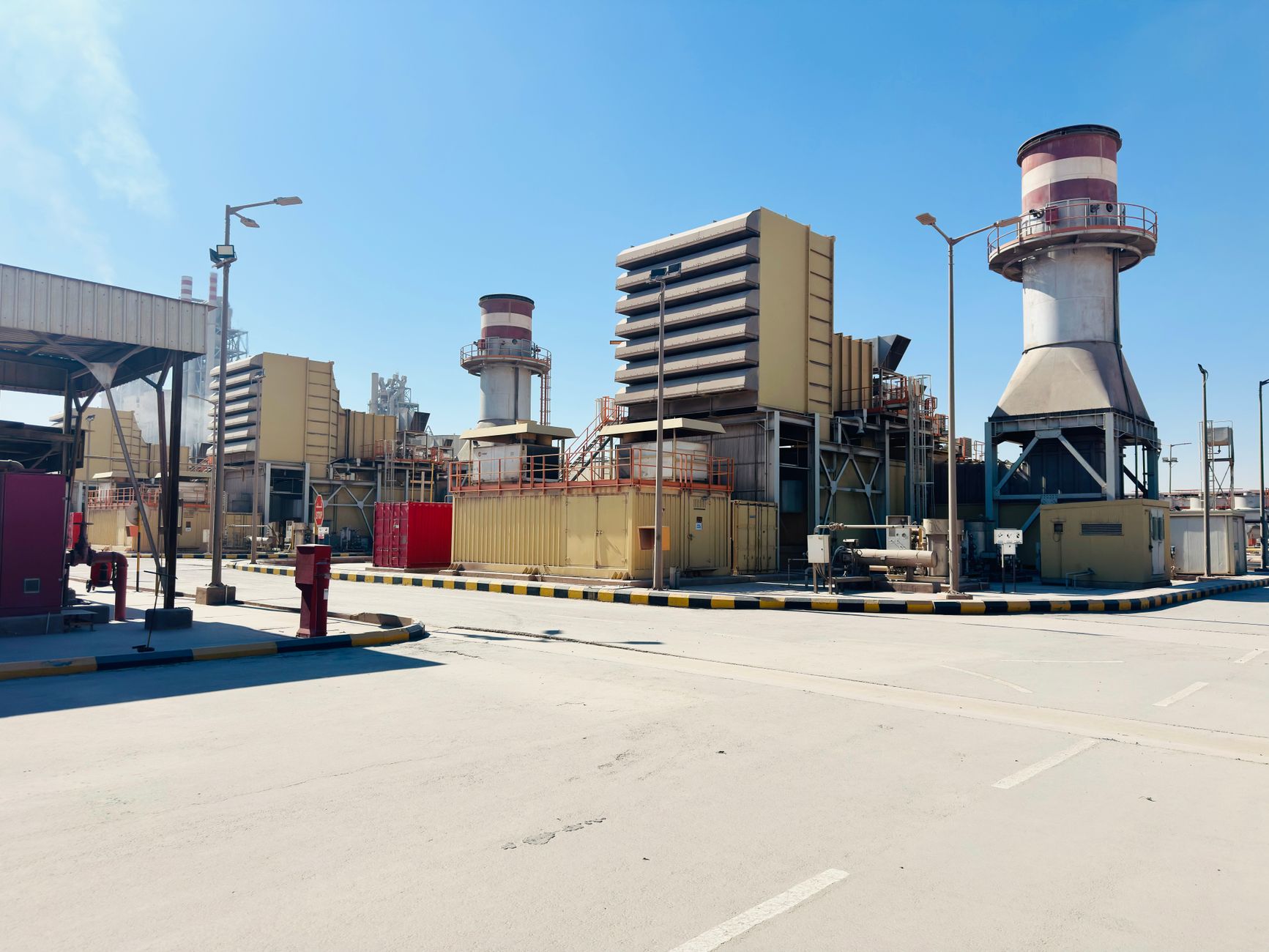
The move comes as global hyperscalers and regional cloud providers accelerate their search for colocation and build-to-suit data center capacity in markets outside Western Europe and North America. Israel’s relatively mature technology ecosystem, stable regulatory environment, and skilled engineering workforce have made it an increasingly attractive destination for this category of infrastructure. The Alon Tavor project is not the only large-scale data center initiative under discussion in Israel, but its $325 million committed budget and the combined credibility of its sponsors give it a higher probability of reaching financial close than many competing proposals in the pipeline.
Financing and Market Context
While the consortium has not disclosed the precise debt-to-equity structure underpinning the $325 million development budget, projects of this nature in comparable markets typically carry loan-to-cost ratios of between 55 and 70 percent, with the remainder funded through equity contributions from the sponsoring partners and, in some cases, co-investment from infrastructure funds. Israeli institutional investors, including pension funds that have increased allocations to domestic infrastructure in recent years, are seen as natural participants in any future capital raise associated with the facility.
The data center announcement also coincides with rising investor attention to AI-linked infrastructure plays across the Israeli technology sector. Earlier this year, AI startup MIND reached a $300 million valuation following a $72 million Series B round, illustrating the depth of capital flowing into technology-adjacent sectors in the country. As demand for GPU-intensive compute and enterprise cloud services continues to expand, purpose-built data centers in stable jurisdictions with reliable power supply are expected to command premium lease rates, strengthening the long-term revenue case for the Alon Tavor development.