
The past five years have delivered a sustained assault on American purchasing power unlike anything seen since the early 1980s, reshaping everything from the weekly grocery bill to the sticker price on a new vehicle. A detailed MarketWatch analysis charts the breadth of that transformation, illustrating how pandemic-era supply disruptions, energy shocks, and loose monetary policy converged to produce one of the most consequential inflationary episodes in modern U.S. history. The compounding effect across categories has left households paying sharply more for goods that were once considered stable, predictable expenditures.
The strain on household budgets arrives against a broader backdrop of fiscal pressure. As The Fiscalist has reported, national debt costs are themselves accelerating, meaning the government’s capacity to cushion consumers against further price shocks through stimulus or subsidy is increasingly constrained. That dynamic adds urgency to understanding precisely which categories drove inflation, how durable those price increases have proven, and what relief, if any, lies ahead.
Food and Energy Prices That Redefined the Household Budget
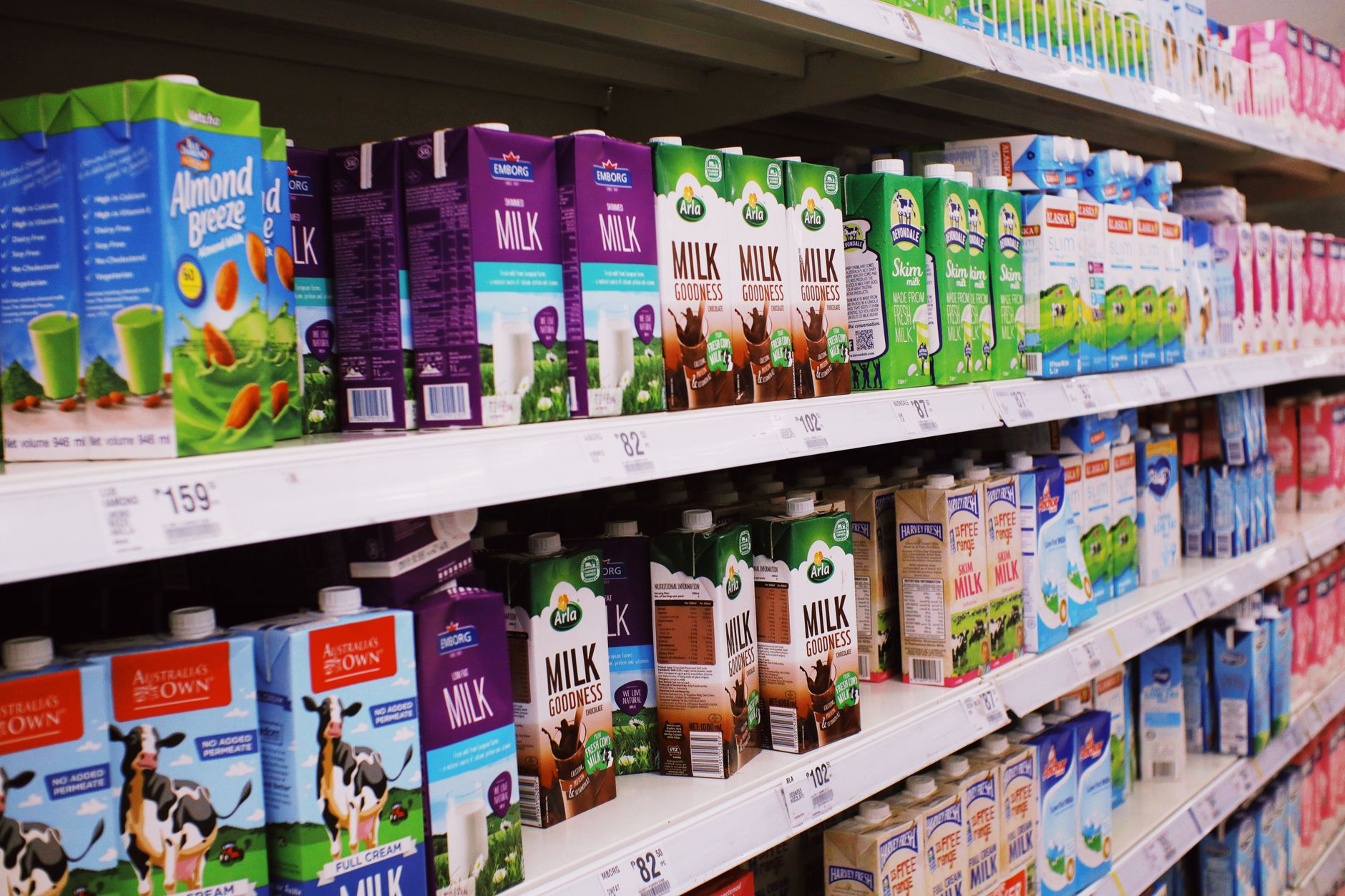
Few price movements have been as viscerally felt as the surge in egg prices. The average retail price of a dozen eggs climbed to roughly six dollars at its peak, more than tripling from pre-pandemic levels, driven by a combination of avian influenza outbreaks that decimated laying hen populations, elevated feed costs, and broader food supply chain disruptions. The egg market became a symbol of inflationary excess precisely because it is a daily staple with no easy substitute, making price spikes immediately visible to virtually every American household regardless of income level.
Energy prices compounded the burden. Gasoline surged past five dollars per gallon nationally in mid-2022, itself a product of geopolitical disruption following Russia’s invasion of Ukraine and a domestic refining capacity that had not kept pace with resurgent post-pandemic demand. Utility costs followed a similar trajectory, with natural gas prices reaching multi-year highs that pushed home heating bills sharply higher across the Midwest and Northeast during the winters of 2022 and 2023. While energy prices have since retreated from their peaks, they remain above the baseline Americans had come to expect before 2020, and the secondary effects — elevated transport and logistics costs — have kept upward pressure on a wide range of consumer goods.
Automobiles and Housing: The Big-Ticket Categories That May Never Fully Retreat
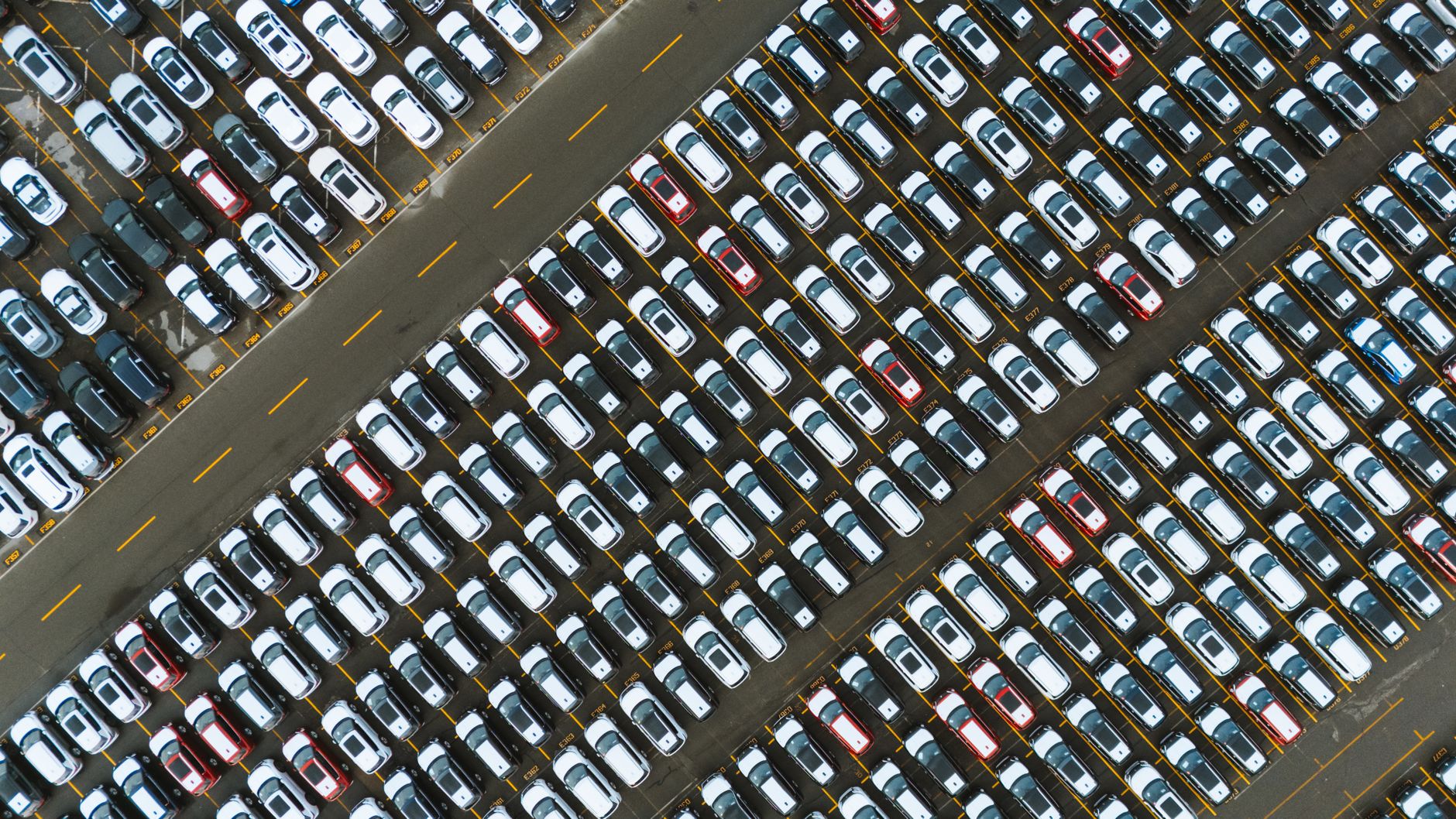
Perhaps the most striking structural shift identified in the MarketWatch report is the transformation of the new vehicle market. The average transaction price for a new automobile crossed the fifty thousand dollar threshold, a level that would have seemed implausible at the start of the decade. Semiconductor shortages curtailed production at the height of the pandemic, eliminating dealer inventory and removing the negotiating leverage buyers had traditionally enjoyed. Automakers, suddenly insulated from competitive pressure, shifted their manufacturing mix decisively toward higher-margin trucks and SUVs, a structural change that has proven sticky well beyond the initial shortage period.
Used vehicle prices compounded the problem for cost-conscious buyers who might previously have turned to the secondary market. At the height of the squeeze, used car prices rose more than forty percent year over year, an extraordinary appreciation for a depreciating asset class. Housing costs have told a parallel story. Shelter inflation, which carries the largest single weighting in the Consumer Price Index, remained stubbornly elevated even as overall CPI readings moderated, largely because mortgage rates climbed above seven percent in response to Federal Reserve tightening, locking existing homeowners into low-rate mortgages and suppressing inventory. The Philadelphia Fed has signaled that the path back to the central bank’s two percent inflation target remains gradual, a position consistent with persistent shelter-driven pressure in the index.
What Five Years of Data Reveals About Structural Versus Cyclical Inflation
The most consequential lesson of the past five years may be the distinction between inflation that reverses and inflation that permanently resets price levels. Gasoline and used vehicle prices have partially corrected. Egg prices have fluctuated with poultry disease cycles. But housing costs, new vehicle prices, and services inflation — covering everything from insurance premiums to restaurant meals — have demonstrated considerably more durability, suggesting that a portion of the post-pandemic price surge represents a permanent step-change rather than a temporary overshoot.
For consumers and policymakers alike, that distinction matters enormously. The Fed’s tightening path succeeded in bringing headline inflation down from a peak above nine percent in mid-2022 to the mid-two percent range by late 2024, but it did so at the cost of significantly higher borrowing costs that themselves added to the financial strain on households carrying variable-rate debt or seeking mortgages. The net result is an economy in which inflation has technically moderated but in which the cumulative price level is roughly twenty percent higher across most consumer categories than it was five years ago — a reset that no amount of disinflation will undo unless outright deflation takes hold, a scenario most economists consider neither likely nor desirable.