
Indian private equity firm Multiples Alternate Asset Management is positioning the industrials sector as its next major investment frontier, pivoting away from the consumer and financial services bets that defined its earlier funds. The Mumbai-based firm is preparing to raise its sixth fund, Fund VI, and has identified industrial manufacturing, automation, and artificial intelligence-linked technology as the core themes driving its updated thesis. The strategic shift reflects a broader reorientation in India growth outlook as the country accelerates its manufacturing ambitions under policy frameworks designed to reduce dependence on imports.
According to a report by Mint coverage of the firm’s evolving strategy, Multiples is increasingly drawn to businesses that sit at the intersection of traditional industrial operations and next-generation technology adoption. The firm, founded by Renuka Ramnath in 2009, has historically deployed capital across sectors including healthcare, financial services, and consumer technology. Fund VI represents a meaningful departure in emphasis, with industrial businesses expected to command a larger share of the portfolio than in prior vintages.

Fund VI Strategy and the Industrial Thesis
Multiples has built a track record spanning roughly 15 years and multiple fund cycles, generating returns that have allowed it to attract institutional capital from domestic and global limited partners. Fund V, its most recent vehicle, targeted companies with strong domestic consumption tailwinds. Fund VI, by contrast, is expected to lean heavily into businesses benefiting from India’s production-linked incentive schemes and the global trend of supply chain diversification away from China. Industrial automation, precision engineering, and specialty chemicals are among the sub-sectors understood to be under active evaluation.
The inclusion of artificial intelligence as a thematic pillar signals that Multiples is not narrowly defining industrials as legacy manufacturing. Rather, the firm appears to be targeting what analysts describe as Industry 4.0 plays — companies deploying AI, robotics, and data analytics within physical production environments. This aligns with a global shift in how growth-oriented investors are categorising capital deployment. Discussions around AI infrastructure spending have intensified across institutional investment circles, with AI infrastructure costs projected to reach extraordinary scale over the coming decade.
Market Timing and Competitive Landscape
The timing of Multiples’ repositioning is notable. Indian equity markets have seen significant valuation compression in several consumer-facing sectors over the past 18 months, making industrials comparatively more attractive on a risk-adjusted basis. Capital expenditure cycles in infrastructure, defence manufacturing, and electronics assembly have been expanding at a pace that analysts estimate has outperformed broader market growth by a factor of two to three in select categories. For a mid-market private equity firm like Multiples, which typically writes cheques in the range of 500 million to 2 billion rupees per transaction, the industrials universe opens a considerably deeper pool of investable targets than consumer segments alone.
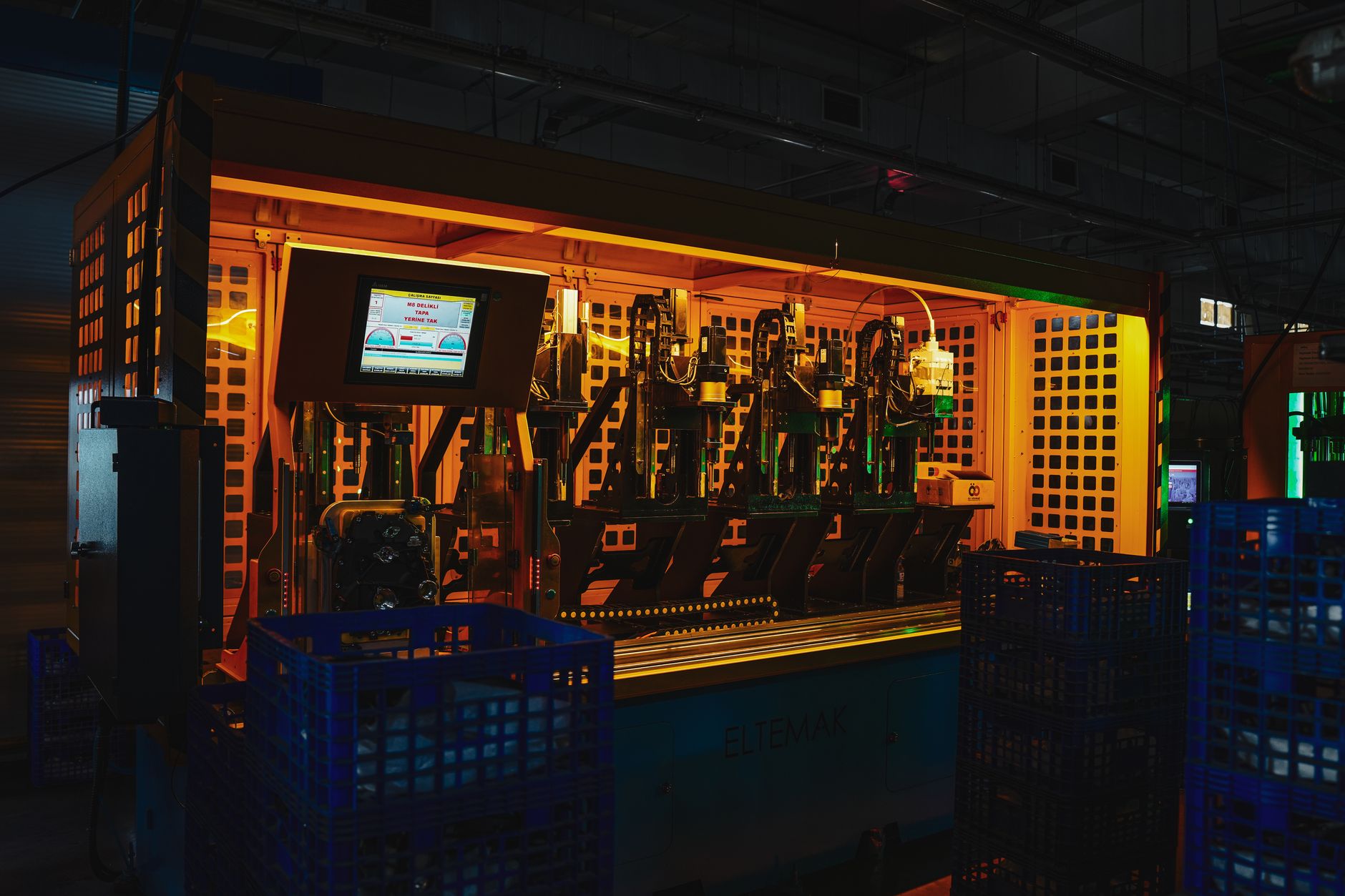
Competition for quality industrial assets in India is intensifying. Global buyout funds, domestic growth equity firms, and sovereign wealth vehicles have all raised their exposure to Indian manufacturing in recent years, compressing entry multiples in the most sought-after sub-sectors. Multiples will need to leverage its local network and operational expertise to source deals at defensible valuations. The firm’s emphasis on partnering with founder-led businesses in the mid-market space is expected to remain central to its approach in Fund VI, even as the sector mandate broadens.
Fundraising timelines for Fund VI have not been formally disclosed, but market participants familiar with the firm suggest a launch before the end of the current calendar year is plausible, contingent on macroeconomic conditions and LP appetite. With India’s manufacturing sector increasingly viewed as a structural growth story spanning decades rather than a cyclical trade, Multiples’ pivot toward industrials may well prove prescient — provided execution risk is managed across a portfolio of companies that will require hands-on operational support to deliver on their technology integration ambitions.