
Fitch Ratings has revised upward its economic growth projection for India, raising its forecast for the fiscal year ending March 2027 to 6.9 percent, up from an earlier estimate of 6.4 percent. The upgrade reflects the ratings agency’s confidence in the country’s sustained domestic demand, resilient consumption patterns, and improving investment climate. The revision places India among the fastest-growing major economies globally, reinforcing its position as a key driver of emerging market expansion. For context on how energy sector collapse can erode national output, India’s trajectory stands in sharp contrast to economies facing structural headwinds.
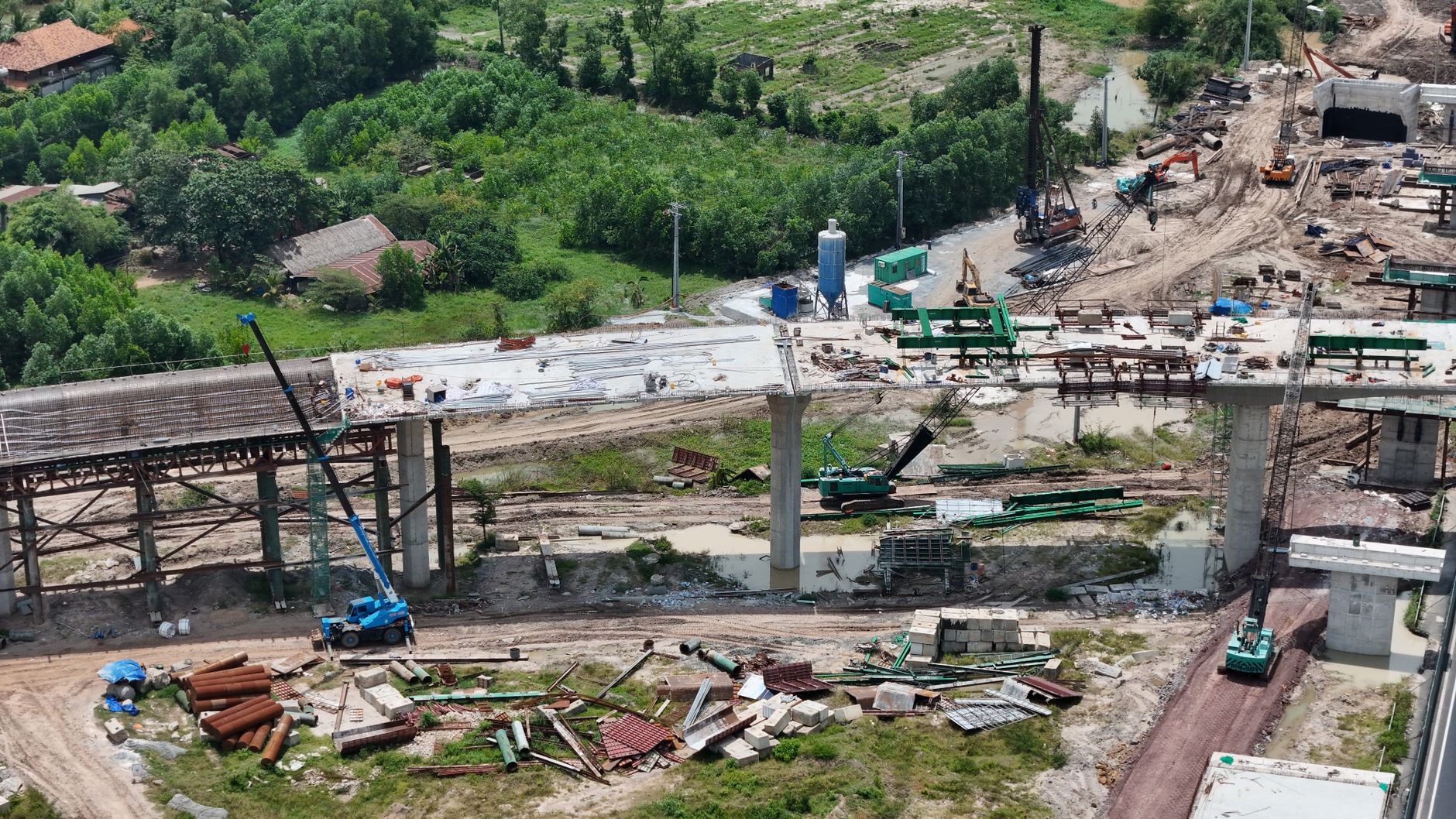
According to a Business Standard report, Fitch attributed the improved outlook to stronger-than-anticipated growth in private consumption and a pickup in capital expenditure, both of which have provided meaningful tailwinds to the broader economy. The agency noted that government infrastructure spending has continued to catalyse private sector activity, creating a self-reinforcing cycle that has bolstered near-term growth prospects.
Broad-Based Optimism Among Global Rating Agencies
Fitch’s upward revision comes in close alignment with a similar move by S&P Global Ratings, which separately raised its own FY27 growth forecast for India to 7.0 percent. According to S&P’s India forecast, the agency also anticipates a 25 basis point rate cut by the Reserve Bank of India, a measure it believes will further support economic activity without stoking inflationary pressure. Together, the two upgrades signal a rare moment of convergence among major credit and ratings institutions on India’s near-term economic trajectory.
The alignment between Fitch and S&P carries considerable weight for international investors and sovereign debt watchers. When independent agencies reach similar conclusions from different analytical frameworks, it tends to reinforce confidence in a country’s macroeconomic management. For India, which has navigated a complex post-pandemic recovery while managing inflation and fiscal consolidation simultaneously, the dual endorsements represent a meaningful vote of confidence from the global financial community. The broader significance of accurate economic assessments was also highlighted in recent commentary around inflation tracking flaws and the risks they pose to policymaking reliability.
Structural Drivers and the Path Ahead
Underpinning Fitch’s revised outlook is a combination of structural factors that analysts believe will sustain India’s growth momentum well beyond FY27. Consumer spending, which accounts for a substantial share of gross domestic product, has held firm even as borrowing costs remained elevated through much of the prior fiscal year. Meanwhile, manufacturing output has benefited from government incentive schemes aimed at boosting domestic production across sectors including electronics, pharmaceuticals, and renewable energy components.

Foreign direct investment flows have also remained constructive, with India increasingly positioning itself as an alternative production hub for multinational companies diversifying supply chains away from other Asian markets. Fitch noted that this structural shift has added a durable layer to India’s investment demand, one that is less sensitive to short-term monetary policy fluctuations than traditional consumer credit-driven growth. The agency flagged, however, that global trade uncertainties and potential commodity price volatility represent the primary downside risks to its revised baseline scenario.
Looking further out, analysts caution that sustaining near-7 percent growth will require continued progress on labour market reforms, rural income support, and financial sector deepening. Fiscal consolidation remains a priority for the central government, which has sought to narrow the deficit while maintaining capital expenditure commitments. If India successfully navigates these competing demands, the FY27 Fitch projection may ultimately prove conservative rather than optimistic, leaving room for further upward revisions as the year progresses and data accumulates.